
The complete guide
How to Choose an Outdoor Drain Cover That Actually Stays Clear
The problem nobody notices until it rains
Most outdoor drains do their job quietly for years. Then one wet October night a gully blocks, water sheets across the patio instead of going down, and it finds its way to the back door or the garage threshold. By morning you are out there with a bucket and a pair of gloves, pulling a wet mat of leaves out of a pipe you have never looked into before.
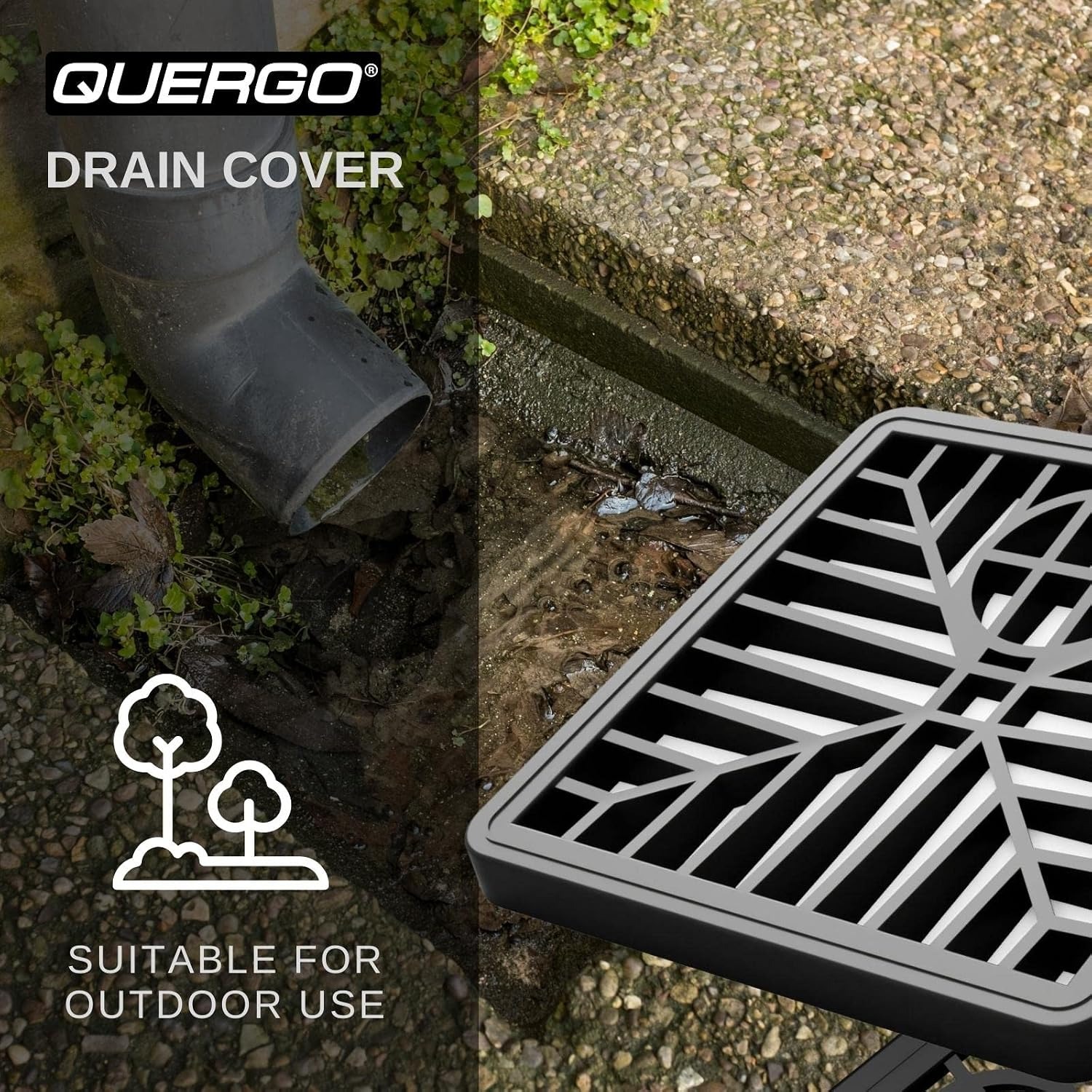
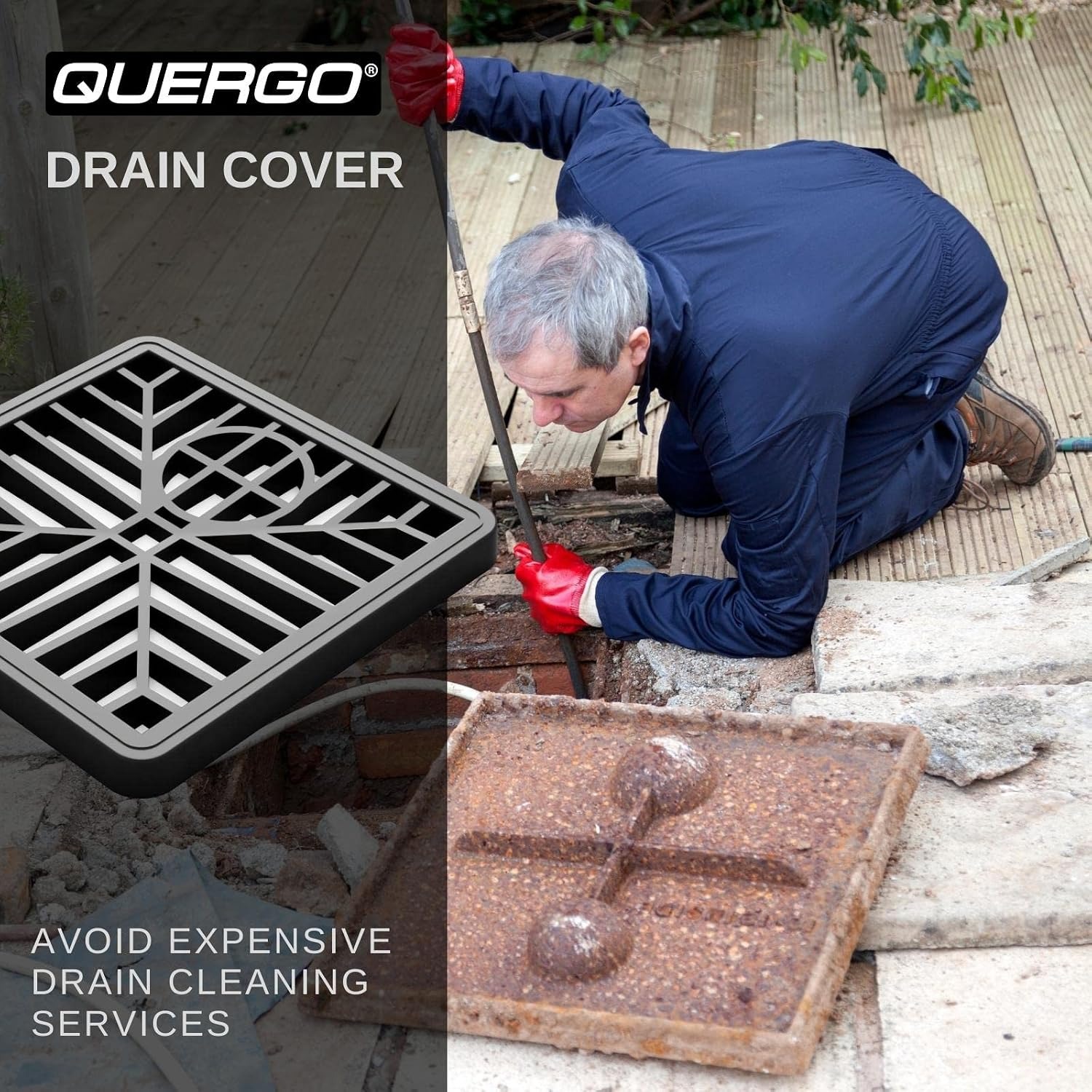
That is the whole case for a drain cover. An open gully is a funnel for everything the garden drops: leaves, blossom, seed husks, bark chips, moss scraped off the paving, grit from the path. All of it washes toward the lowest point and disappears into the pipe, where it settles in the trap and builds up. The flow gets slower each season until one heavy downpour tips it over.
A grid on top changes where that debris ends up. Instead of vanishing into a trap you cannot see, it sits on a flat panel you walk past every day. You notice it. You brush it off. The drain keeps working.
How a grid cover actually works
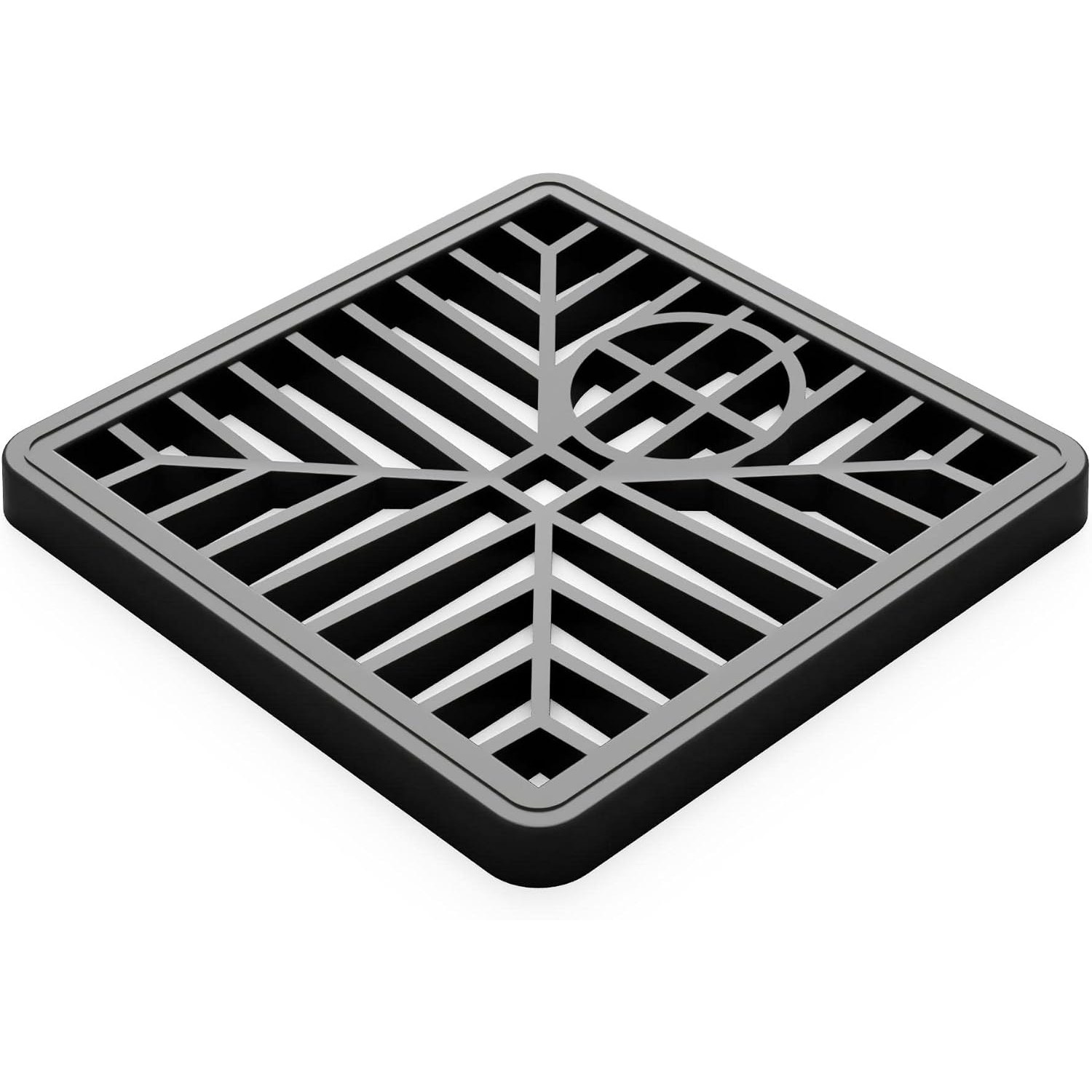
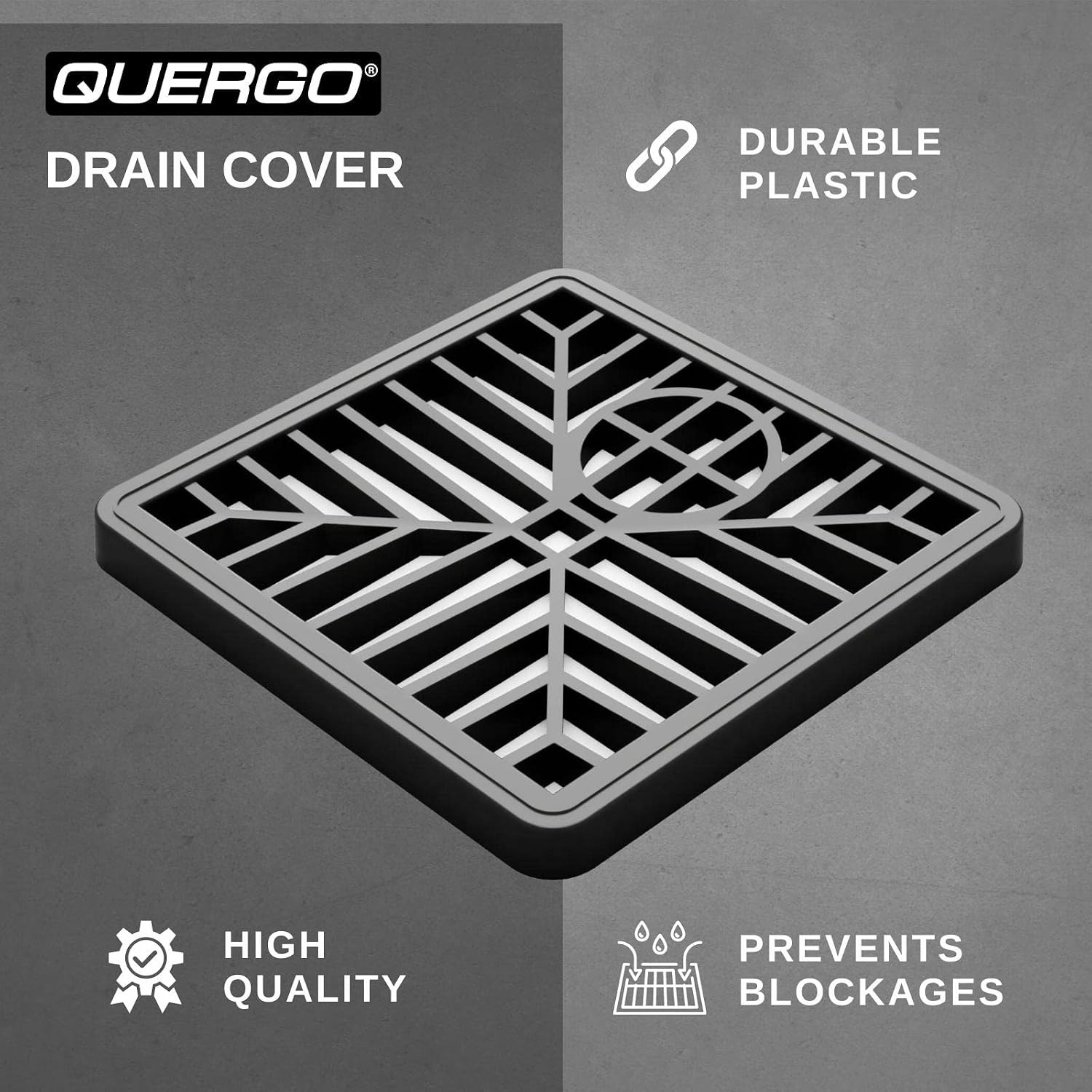
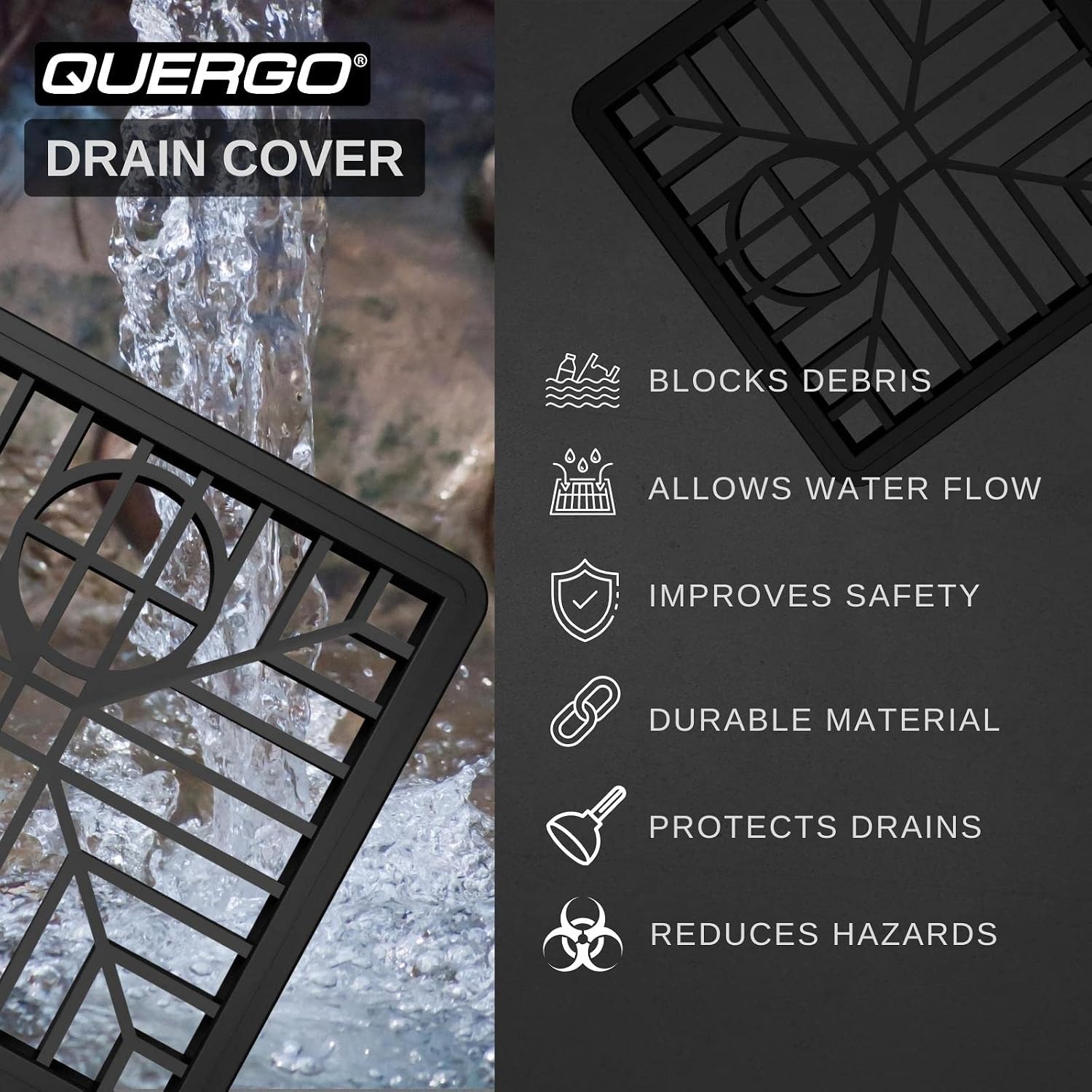
The engineering here is simple, which is a good thing. A square outdoor drain cover 150mm is a moulded panel with a slotted pattern across the face. The slots are wide enough that rainwater passes through with very little resistance, and narrow enough that a leaf cannot fold itself through.
That balance is the point of the anti-clogging design. Too tight and the cover becomes a sieve that silts up in a fortnight. Too open and leaves slide straight through and you have gained nothing. The grid on this QUERGO cover is cut for ordinary garden debris, which is what most domestic gullies actually face.
What a grid does not do is filter fine material. Sand, silt and dust will still go through, and they should. A cover that stopped those would block constantly. Over a few years that fine material still builds in the gully pot, so a grid cover reduces how often you need to clean the trap rather than removing the job entirely.
It also does not seal the drain. If you are chasing a smell, the answer lies in the water trap below, not the grate on top. A dry or cracked trap lets sewer gas up, and no amount of covering will fix it.
Material matters more than you expect
You can buy drain grates in cast iron, galvanised steel, stainless and plastic. Each has a place.
Cast iron and steel win on strength, which is why you see them in roads and on anything a vehicle crosses. The downside is corrosion. A grate sitting in standing water for years will eventually rust unless the coating stays perfect, and rust bleeds. Orange runs on limestone paving, sandstone or pale concrete are hard to get out.
Plastic sidesteps that entirely. It does not rust, it does not stain the surround, and it is light enough to lift with one hand when you want to clean underneath. The trade is load capacity. A plastic grid is made for foot traffic and garden use, not for a car wheel. No load rating is stated for this cover, so treat it as a pedestrian-area product and choose a rated metal grate for anywhere a vehicle drives.
The matte black finish is a small detail that pays off. Gloss shows every water mark and speck of dust. Matte black looks tidy between cleans and recedes against dark paving, slate and decking, so the drain stops being a feature of the garden.
Getting the size right
This is where most returns come from, so it is worth two minutes with a tape.
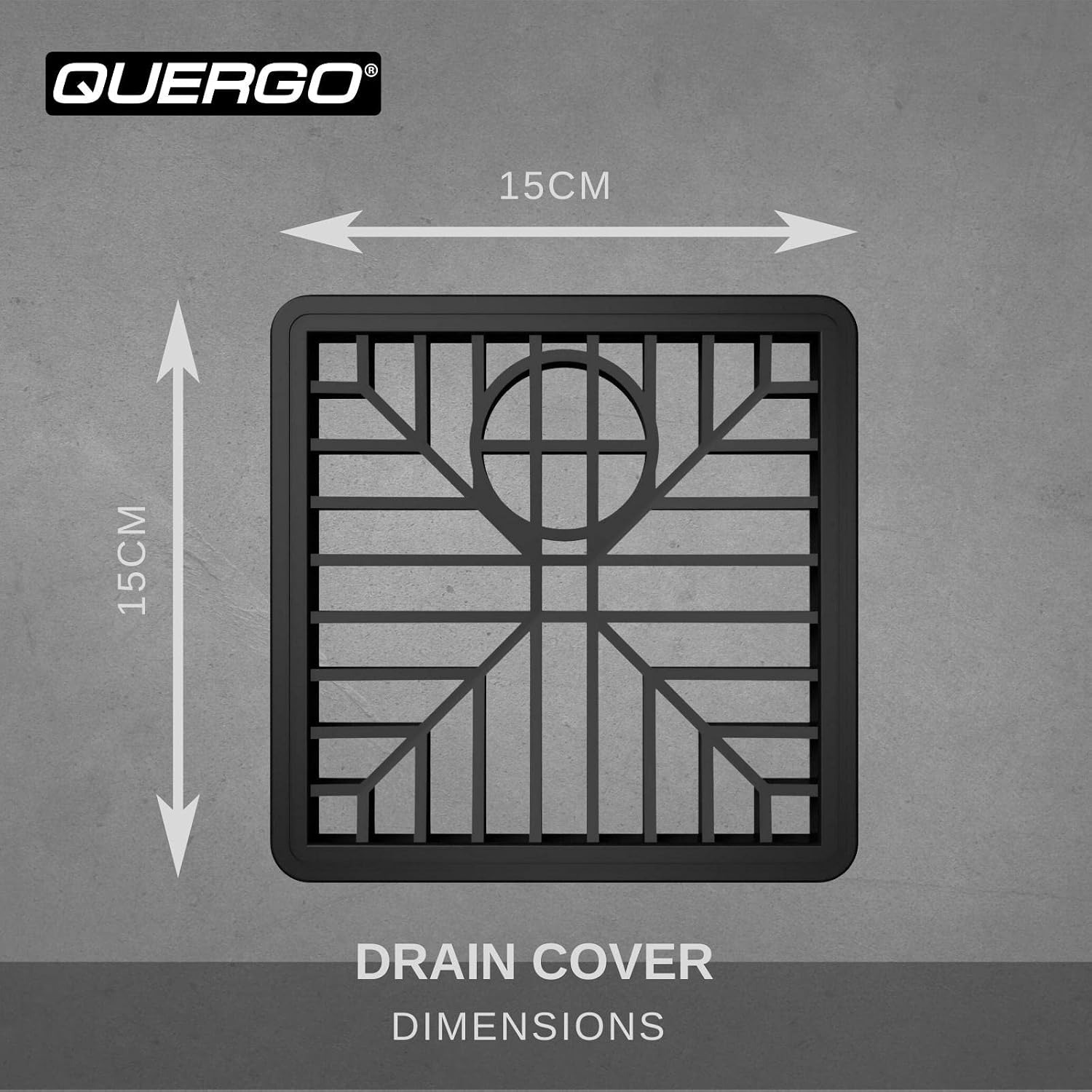
The cover is 150mm x 150mm x 10mm, about six inches square and just under half an inch deep. Measure the outside of your drain opening, corner to corner on both sides. Then look at how the opening is built.
Some gullies have a recessed rebate, a small ledge inside the frame where a grate drops in and sits flush with the paving. If you have one of those, measure the rebate, not the outer frame, because the rebate is what the cover sits in.
Other openings are flush with the surface, with no ledge at all. There the cover rests on top and the 10mm depth becomes a small step. That is fine in a planted bed or a corner, less ideal in the middle of a walkway. You can bed it slightly or just accept the low profile, which is shallow enough that most people never catch a toe on it.
If your measurement comes back at 145mm or 155mm, consider how the cover will sit. Slightly under and it drops in with a small gap, which is usually acceptable. Slightly over and it will perch on top rather than seat, which still works but will not look as neat.
Fitting it in practice
Clear the opening first. Pull out whatever has already gathered, rinse the area, and give yourself a clean edge to work against. There is no sense in sealing in a trap that is already half full.
Set the cover in place and press down at each corner. It should sit flat with no rocking. A cover that rocks will rattle every time someone steps on it and will eventually work its way loose.
For a sheltered spot, drop-in is enough. For anywhere windy, anywhere on a slope, or anywhere that gets regular footfall, fix it. Two screws into the surround or a few beads of exterior adhesive at the corners will keep it put. Keep the fixings light enough that you can still remove the cover when it needs cleaning, because you will need to.
Keeping it clear
The maintenance routine takes about thirty seconds and is almost the whole value of the product.
In autumn, check weekly. Leaves arrive faster than you think, and a cover that is doing its job will carry a layer of them. Brush them off into a bag or bin, do not sweep them to one side where the next shower washes them back.
The rest of the year, a monthly look is plenty. Every few months, lift the cover out completely. Rinse it with a hose, run a stiff brush along the slots to shift any silt that has set hard, and while it is off, reach into the gully pot and scoop out whatever has settled. That combined clean is what keeps a drain running for years.
Avoid harsh solvents. They are unnecessary on plastic and can cloud the finish. Keep pressure washers at a distance or skip them altogether. In frost, do not lever the cover out with a screwdriver if it is stuck. Warm water poured over the edge will free it without risking a crack.
Where these covers earn their keep
Downpipe gullies are the obvious one, since everything that lands on the roof funnels into them. Patio and courtyard drains at the low point of paving come next. Balcony outlets block very quickly because planters shed constantly into a small area. Greenhouse and shed run-off, garage thresholds, side-return alleys and the drain beside a utility door all benefit from a screen on top.
Because the covers are sold singly and are small and light, buying three or four to do a whole property at once is usually the sensible approach. A single trouble spot rarely stays the only trouble spot.
The short version
An outdoor drain only fails in one direction, slowly and then all at once. A 150mm plastic gully grid cover costs very little and moves the debris from inside the pipe to the top of a panel where you can see it and sweep it away.
Measure your opening first. Check it sits flat. Fix it down if the spot is exposed. Brush it weekly through autumn and lift it out a few times a year for a proper clean. Do that and the drain in question will stop being something you think about, which is exactly the point.