
The complete guide
The Practical Guide To Clearing Drains With A Flexible Brush
The problem nobody wants to deal with
A slow drain starts quietly. Water takes a second longer to disappear. Then two seconds. Then you are standing in an inch of grey water while you shower, and there is a faint smell around the basin that no amount of bleach seems to fix.
Nine times out of ten, the cause is not deep in the sewer. It is sitting within the first metre or so of pipe, right where the plughole narrows into the trap. Hair wraps itself around the crosspiece or the stopper stem. Soap, shampoo and skin oils stick to the hair. In a kitchen, cooking fat cools and clings to the pipe wall, and everything else sticks to that. The channel gets narrower and narrower until the water can barely get through.
The frustrating part is reach. You can see the top of the mess, maybe hook out a bit with your fingers, but the rest is beyond you. Straight tools jam at the bend. Wire hooks scratch chrome. Chemical cleaners dissolve some of it but leave the rest, and in a few weeks you are back to the same puddle.
How a flexible drain brush fixes it
A flexible drain brush solves two problems at once. It is long, and it bends.
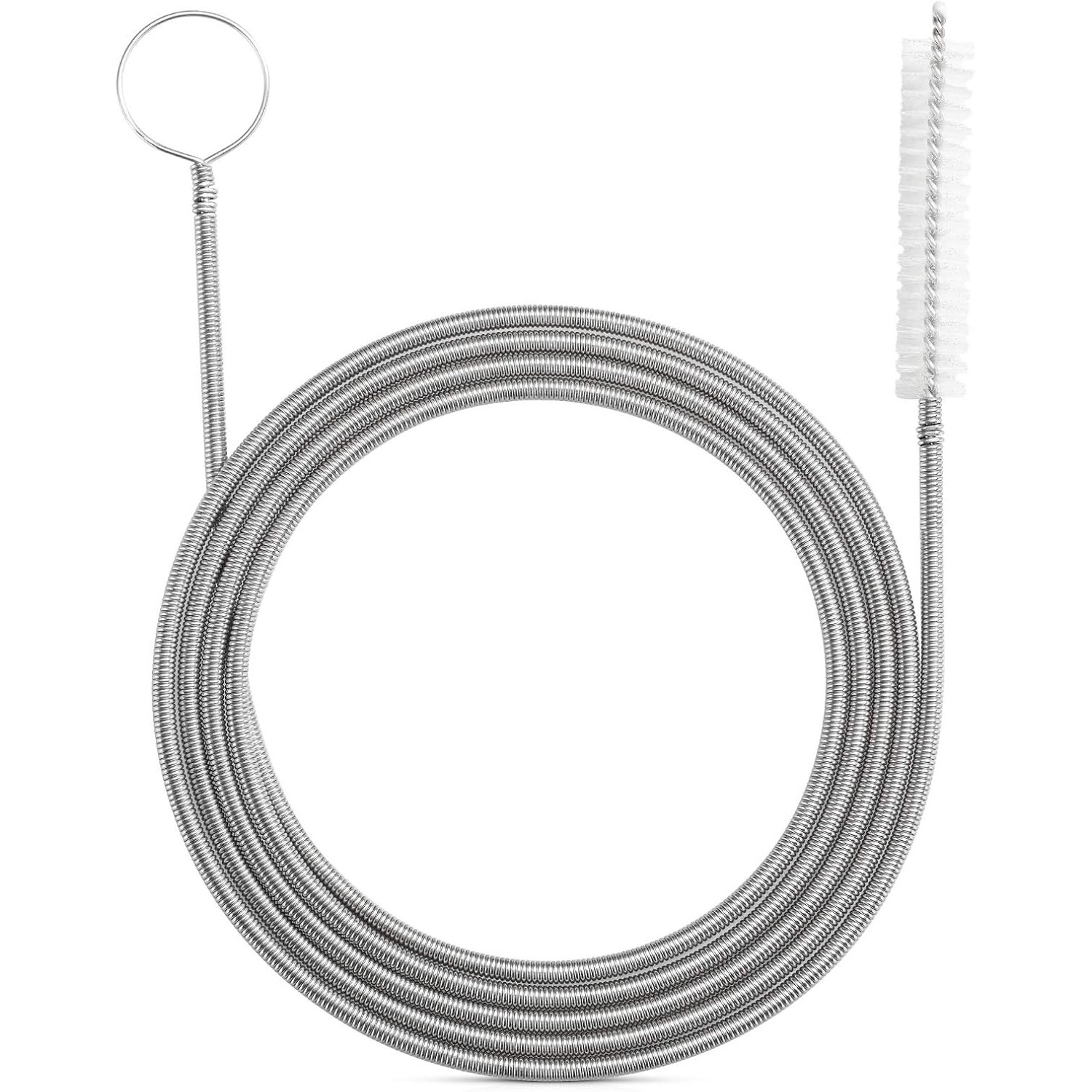
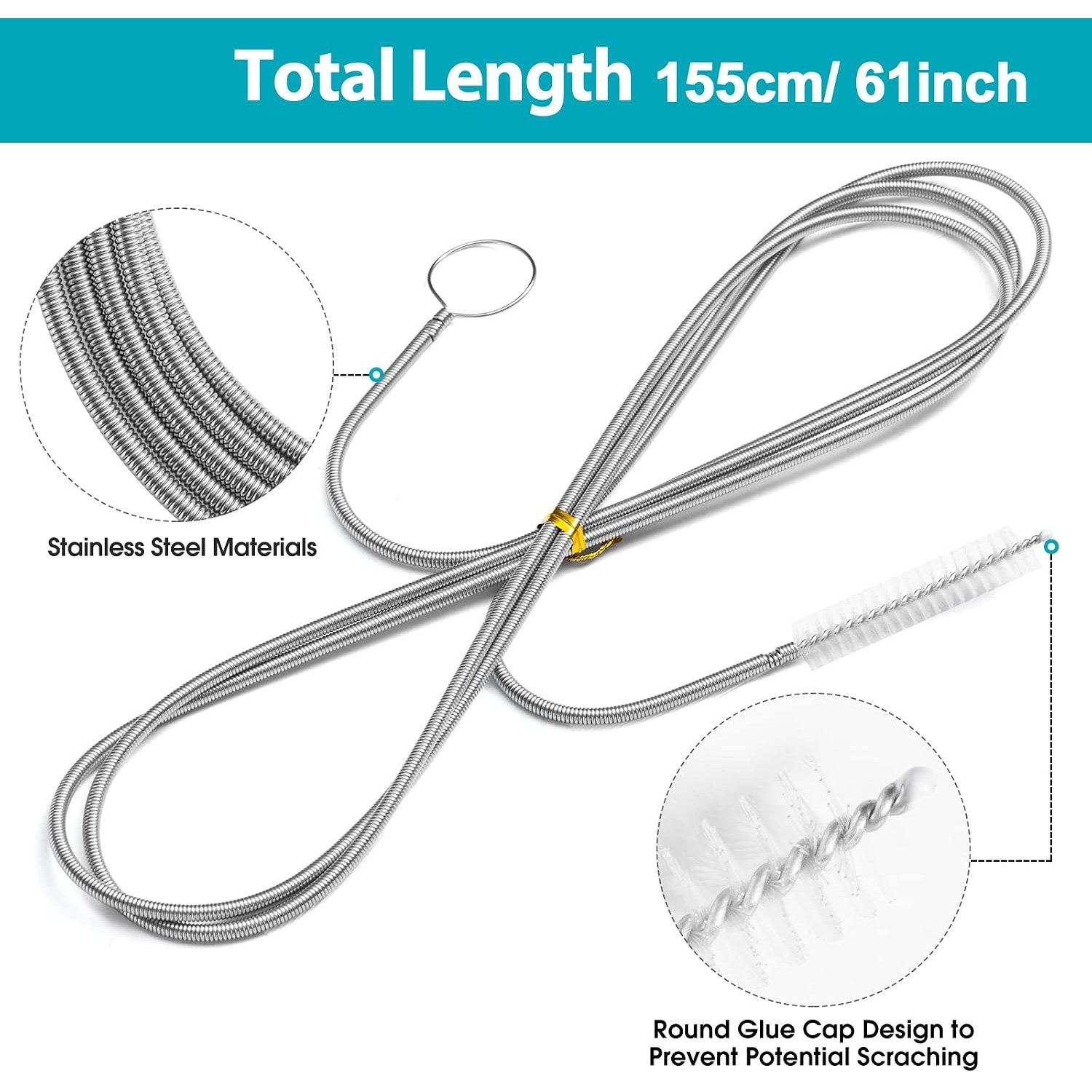
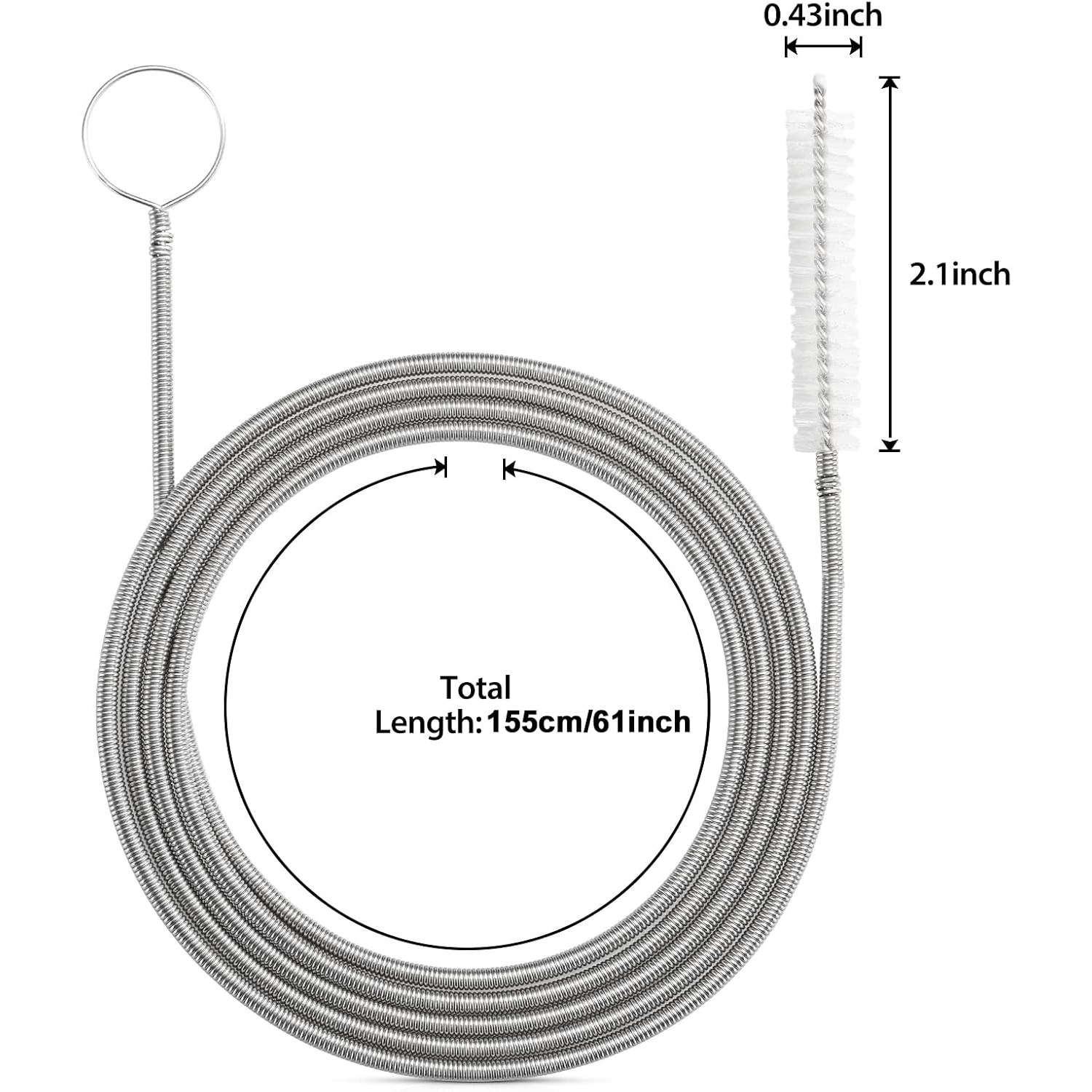
This one has a 155cm working length on a stainless steel shaft, with a nylon bristle head measuring roughly 5cm long by 1cm across. The whole tool is 60 grams, so it feels like nothing in your hand.
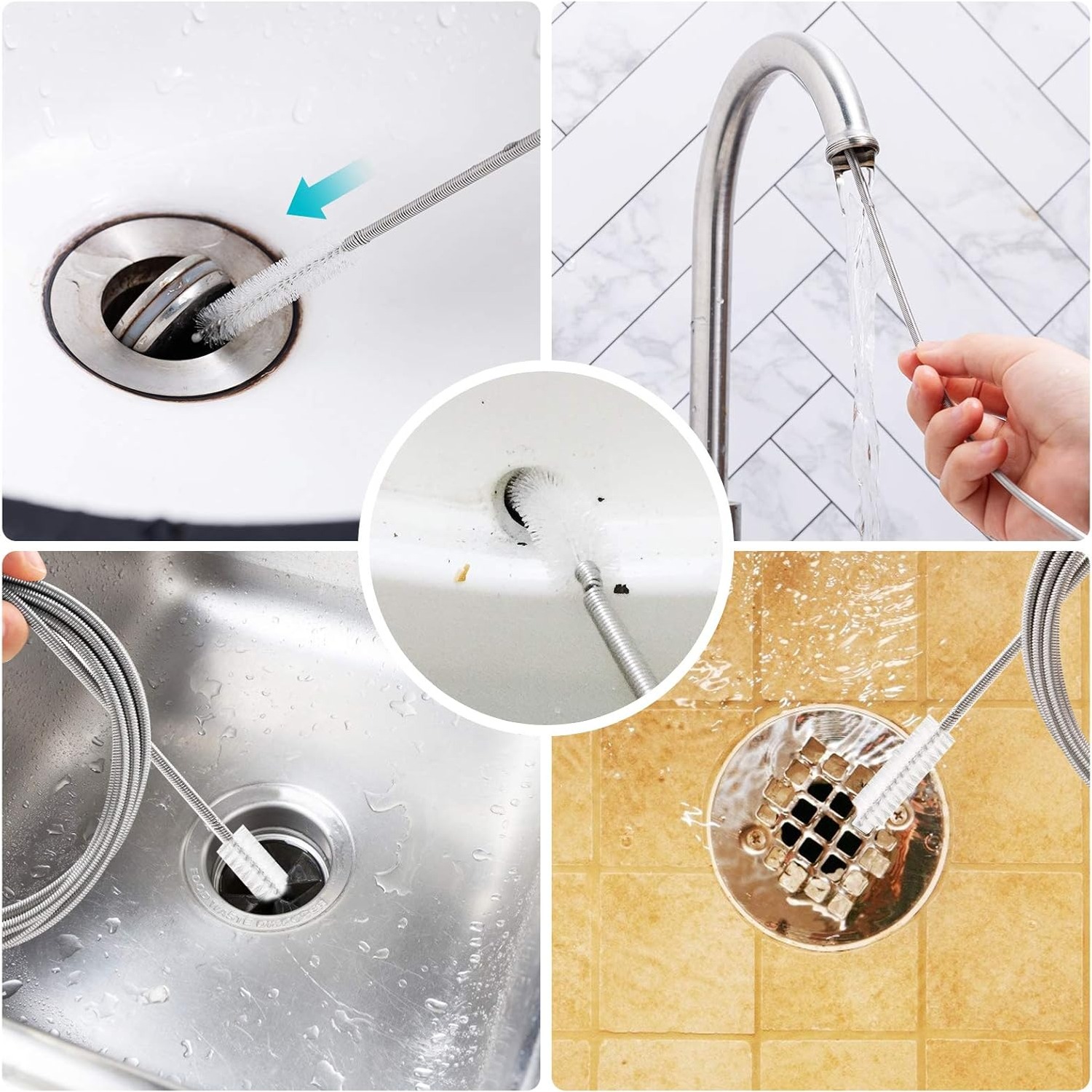
The steel shaft is the clever bit. It is stiff enough to push, which is what you need to make progress, but it flexes when it meets a turn. The brush is designed to travel through curved pipes and tubes angled at less than 90 degrees, which covers the trap under most basins and the elbows under most showers. Instead of stopping at the first bend, it follows the pipe.
The bristles do the actual cleaning. Because they sit all the way around the head, rotating the shaft sweeps the full circumference of the pipe. That is a very different result from pushing a hook through the middle of a blockage. A hook makes a hole and the water drains for a week. A brush scrubs the wall and brings the material back out with it.
Nylon matters too. Metal scrapers can score plastic waste pipe and leave marks on polished fittings around the plughole, and once a surface is scratched it collects gunk faster. Soft bristles on a rounded head clean properly without that trade-off.
Who it suits
If anyone in your household has long hair, you will use this constantly. Bathroom basins and shower drains are where it earns its keep fastest.
It also suits anyone who would rather not pour strong chemicals down the pipe every month. Caustic drain products work, but they are unpleasant to handle, they are not ideal for older pipework, and they are a poor match for septic systems. Mechanical cleaning removes the material instead of dissolving part of it.
Renters like it because it needs no tools, no disassembly and no landlord conversation. You do not have to take the trap apart or lie on your back under the sink with a bucket.
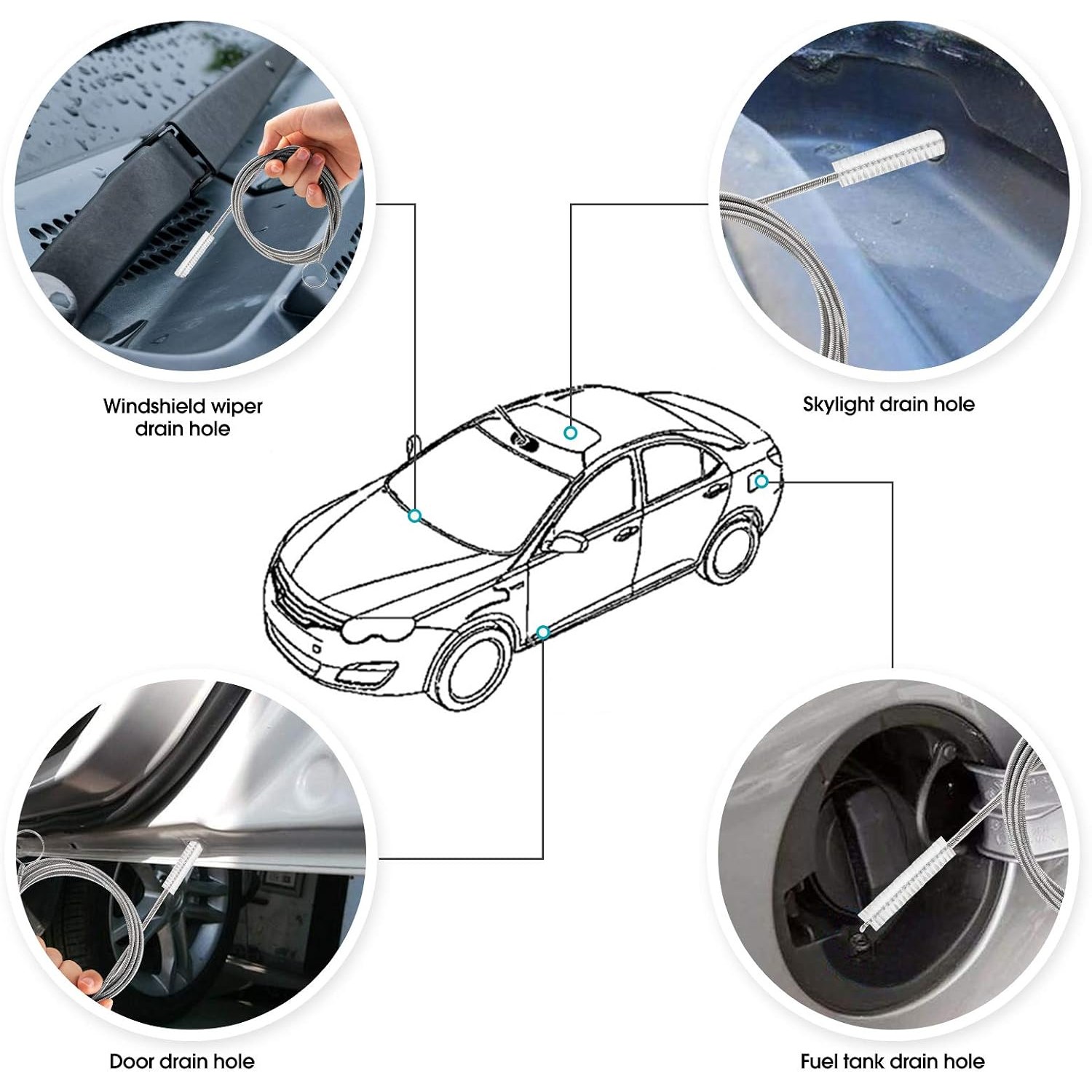
And it is genuinely handy beyond drains. The same long, slim, bendy profile cleans hydration bladder tubes, CPAP hoses, long-neck bottles, coffee machine lines, aquarium tubing and appliance outlet hoses. Anything narrow that you cannot see into is fair game. People often buy it as the best flexible pipe brush for drains and end up using it on half a dozen other things.
How to use it properly
Start dry. Lift out the stopper or grate if yours comes out, and pull away any hair you can reach by hand. Get the easy part out of the way first.
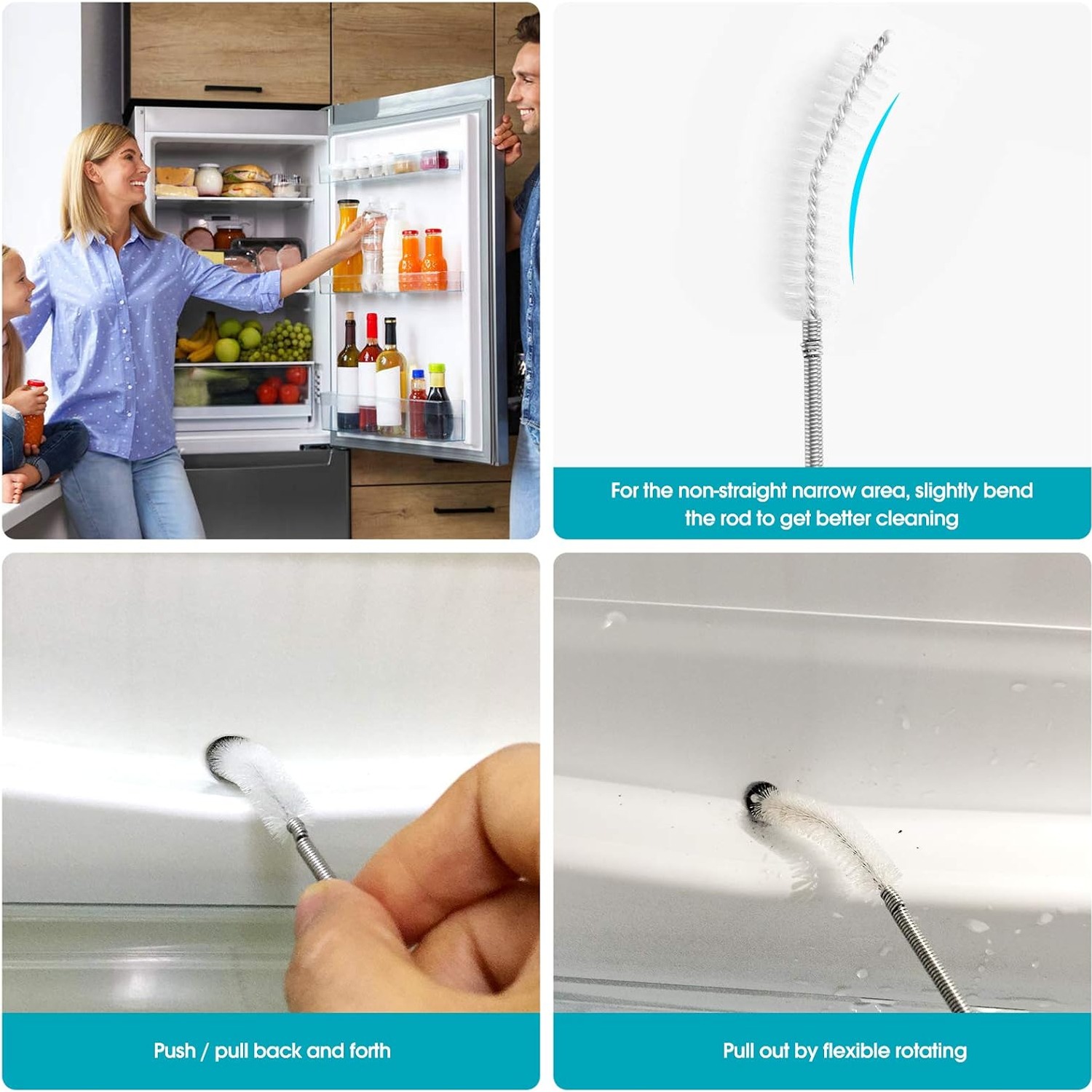
Feed the brush in slowly. Do not shove. Let the tip find its own way, and when you feel resistance, twist the shaft between your fingers rather than pushing harder. That rotation is what gets the head around a bend.
Once you are past the trap, work the brush back and forth over a short range, turning as you go. You are scrubbing, not drilling. After ten or fifteen seconds, draw it out slowly and see what comes with it. It will not be pretty. That is the point.
Run hot water down the drain, then repeat. Two or three passes usually makes a visible difference to how fast the sink empties. In a kitchen, running hot water while you brush helps soften the grease so the bristles can lift it.
When you are done, rinse the brush under the tap and work a little dish soap through the bristles before the residue dries on.
Choosing the right drain brush
Length is the first thing to check. Short brushes around 50cm will reach the trap but not much past it. A 155cm shaft gets well beyond that into the straight run where material also settles.
Head diameter is the second. At 1cm, this head enters narrow plugholes and overflow channels while still making contact with the wall of a standard waste pipe. A much wider head cleans a wide pipe faster but will not fit a slim opening, and a much thinner one barely touches the sides.
Shaft material decides how long it lasts. Stainless steel resists rust, which matters for a tool that lives wet. Plastic-coated wire tends to kink and stay kinked.
Finally, think about bristle type. Nylon is the sensible default for household pipes. Metal bristles clean aggressively but are not something you want anywhere near a visible chrome fitting.
Keeping it in good shape
Care is simple. Rinse after every use, soap the bristles, shake the water out and let it dry fully before storing. A damp brush shoved straight into a cupboard will start to smell, which rather defeats the purpose.
Store it straight or in a loose coil. A thin steel shaft will take a gentle curve forever, but repeated sharp kinks in the same place weaken any metal.
Many households keep two, one for the kitchen and one for the bathroom, so they never cross over. At this price that is an easy call.
A quick note on prevention: a cheap mesh strainer over each plughole catches most hair before it ever gets into the pipe. Pair one with the brush and your monthly clean becomes a thirty-second job.
The short version
Slow drains are almost always a build-up of hair, soap and grease sitting just past where you can reach. A 155cm flexible drain brush with a stainless steel shaft and nylon bristles gets to it, scrubs the pipe wall properly, and pulls the mess out instead of pushing a hole through it.
It bends around curves, it will not scratch your fittings, it weighs 60 grams, and it works just as well on bottles, hoses and tubing. Use it once a month and you may never think about your drains again.