
The complete guide
How To Choose A Bath And Sink Stopper That Actually Seals
The problem nobody plans for
Bath plugs fail quietly. The rubber goes hard and stops gripping, the little chain snaps and the plug disappears down the back of the cabinet, or the pop-up waste in a rental jams half open and nobody wants to pay a plumber for it. You only notice when you run a bath, get in, and realise the water level is dropping faster than you can enjoy it.
Kitchen sinks have the same story. The original basket strainer gets bent, the seal wears, and suddenly you cannot fill the sink to soak a roasting tin. Plenty of people just live with it and let the tap run instead, which quietly wastes a lot of hot water over a year.
The fix is simpler than most people expect. You do not need a part that matches your drain. You need something that covers it.
How a flat silicone stopper works
A traditional plug works by wedging into the drain opening. That means it has to be the right diameter, which is why replacing one is so fiddly. Drain sizes vary between manufacturers, between countries, and between a bath and a basin in the same house.
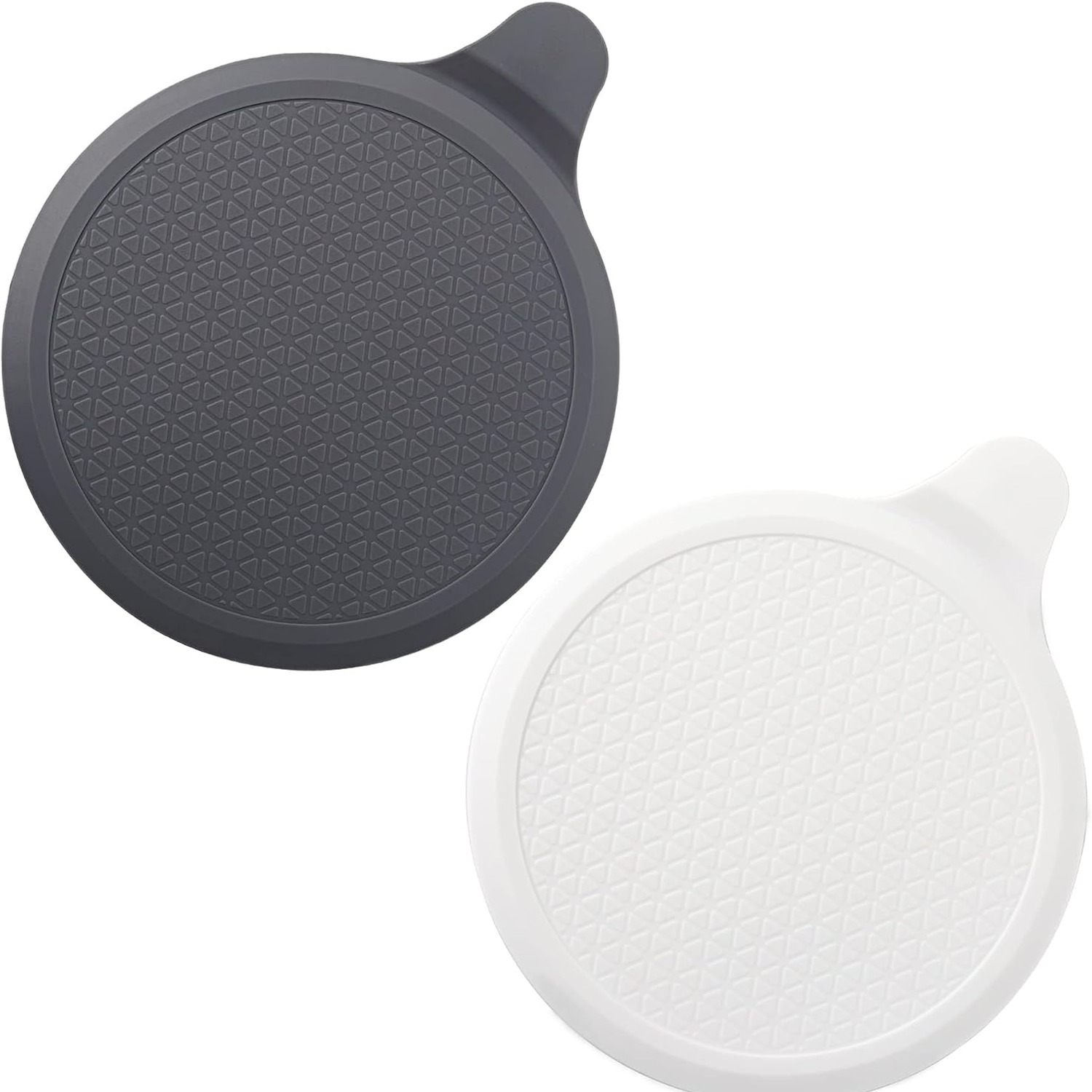
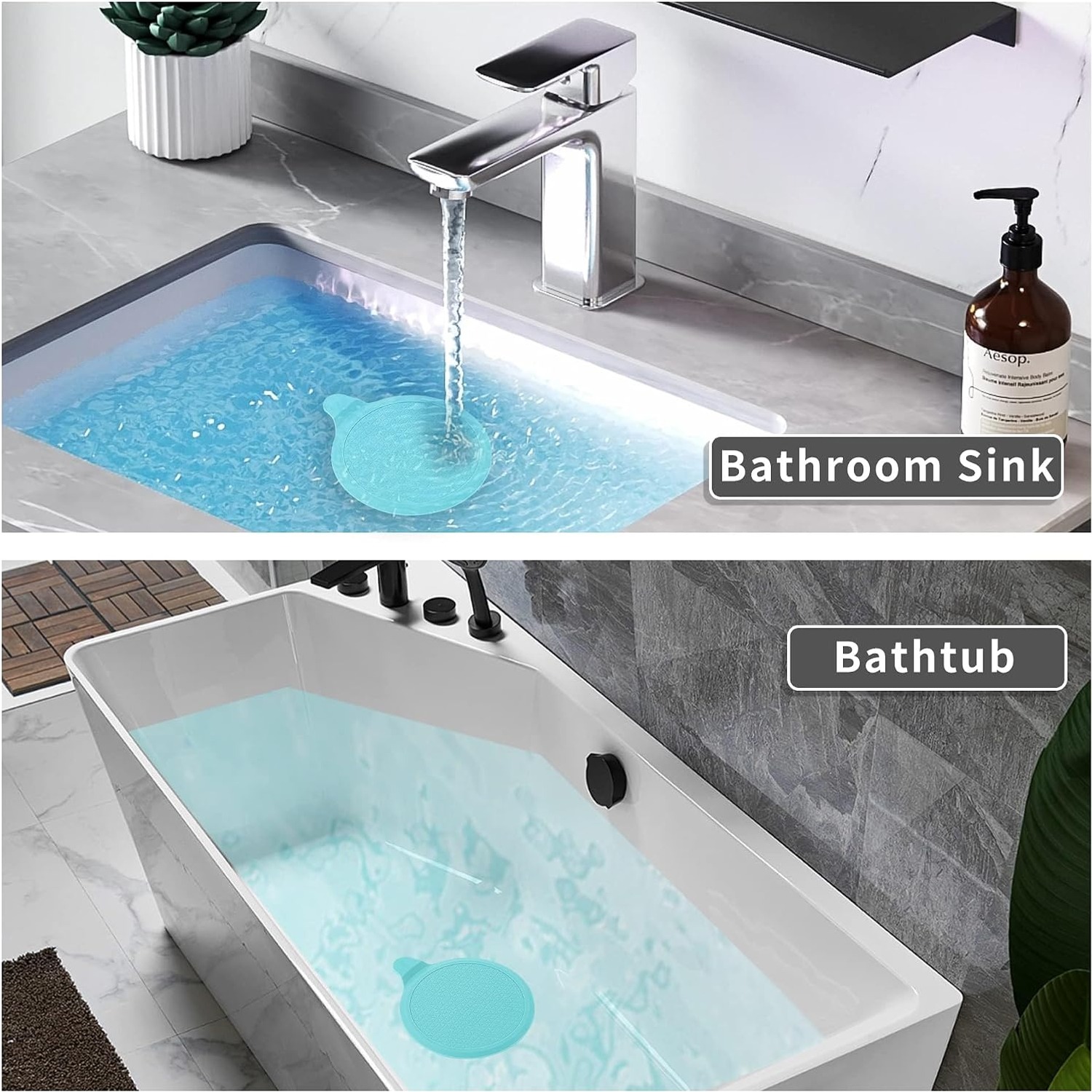
A flat stopper works the other way around. It is a wide silicone disc that lays over the whole drain opening and rests on the flat surround. When you run water, the weight of that water presses the disc down and the silicone squashes very slightly into every small imperfection in the surface. That pressure is the seal. More water means more pressure, which means a tighter seal, which is why these work well as the tub fills rather than getting worse.
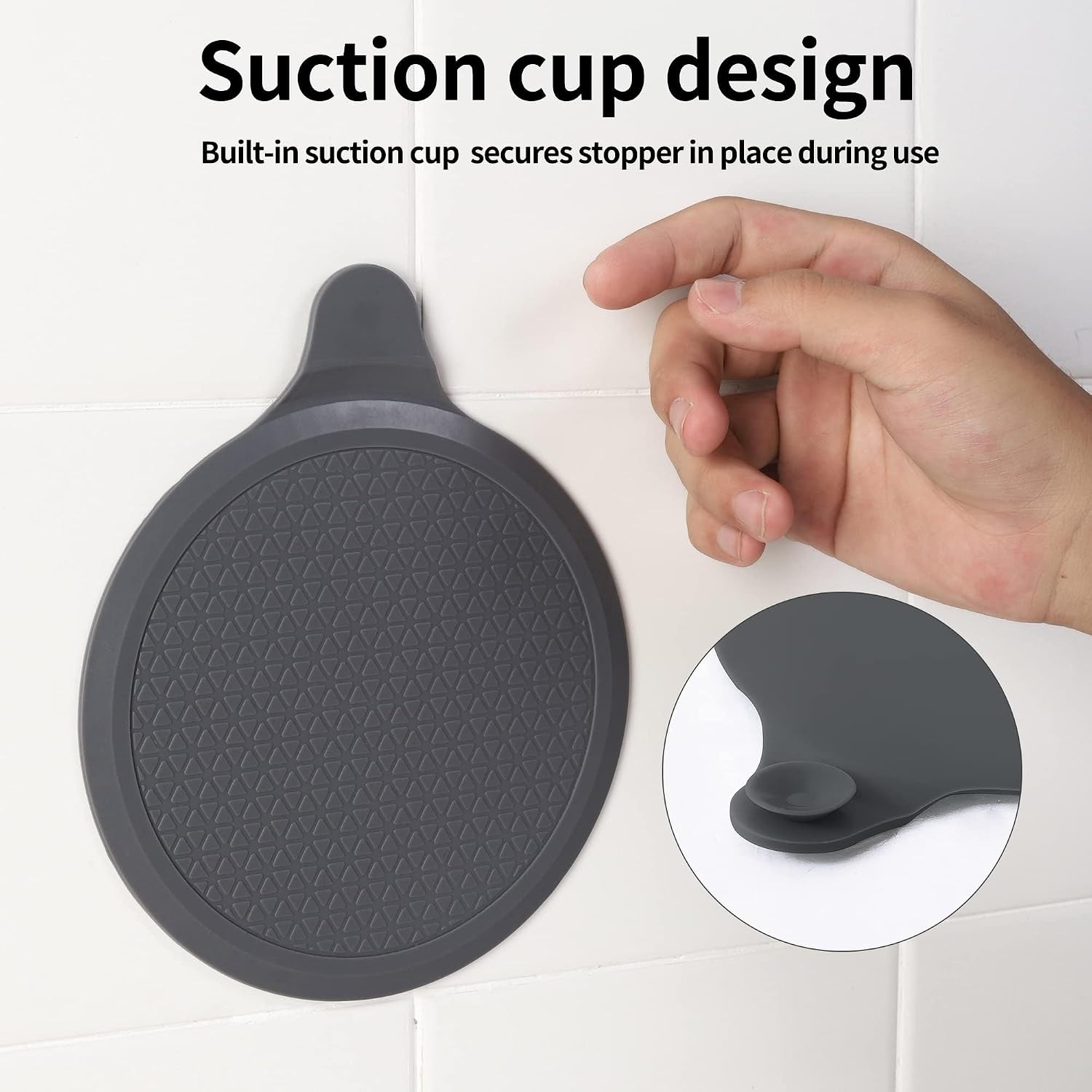
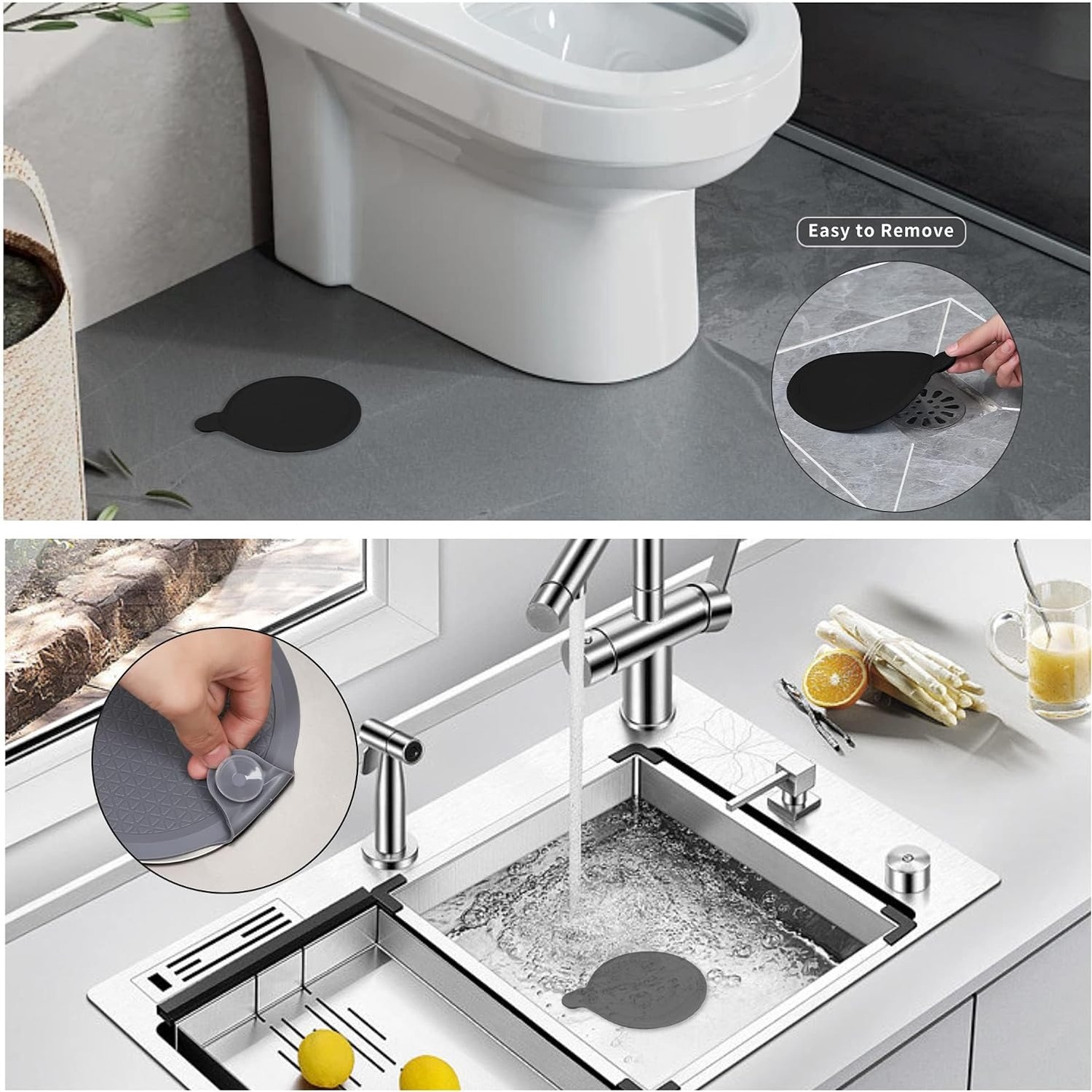
The suction cup underneath handles the early stage, before there is any water to help. Press it down on a clean, dry surround and it holds the disc exactly where you put it. Without that, a light disc would float or drift sideways the moment the tap came on.
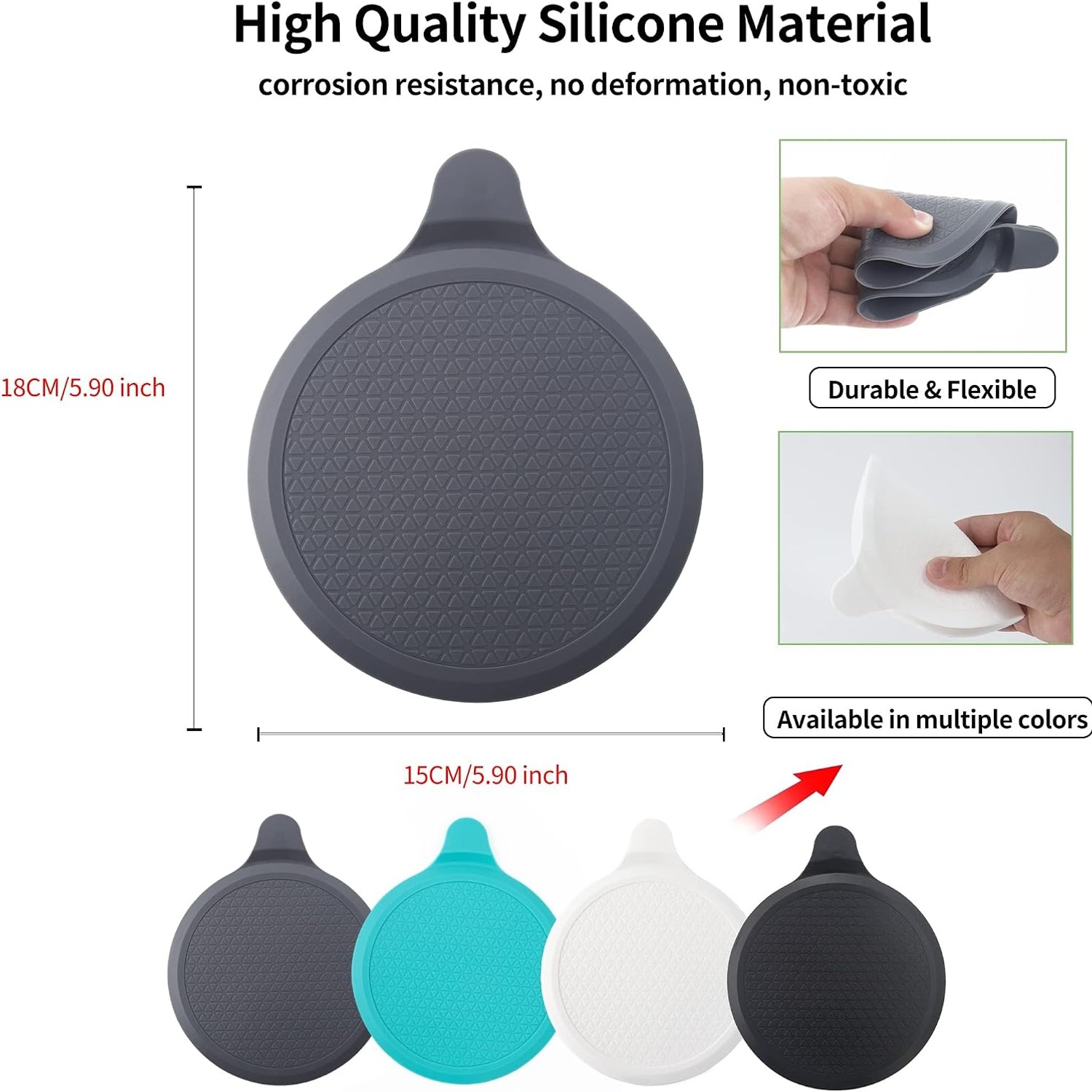
This particular stopper measures 15cm wide by 18cm high, which gives a generous ring of contact around a standard drain. That overlap is the part that matters. A disc that only just covers the hole has very little margin for error if it sits slightly off centre.
Who it suits
It suits anyone with a drain that no longer holds water properly and no desire to replace plumbing parts. Renters get the most obvious benefit, because you can fix the problem without touching anything permanent and take the stopper with you when you leave.
It also suits people with more than one awkward drain. Each pack has two stoppers, so one can live in the bathroom and one in the kitchen or laundry. If your utility tub has lost its plug, that second one has a job immediately.
Parents often like the soft format. There is no hard rim, no chain to chew on, and nothing to lever out of the drain. Travellers like it for the same reason the packaging is flat: it bends into a wash bag and takes up almost no room, which is useful when a hotel bath has a plug that does not seal.
Anyone soaking large items in a sink, from laundry to baking trays, gets use out of the extra surface area. A wide flat stopper handles a big kitchen waste far better than a small basin plug ever will.
Checking it will fit before you buy
This is the one bit of homework worth doing. The stopper needs a flat, smooth area around your drain that is at least as wide as the disc. Take a tape measure and check the floor of the bath or sink around the plug hole.
Look for three things. First, is the surface flat, or does the drain sit at the bottom of a steep dip? A pronounced cone shape will stop the disc making even contact. Second, is the surface smooth, or is it textured, scratched or coated with limescale? Rough surfaces leak. Third, does any strainer or grid sit flush with the surround, or does it stand proud? A domed grid will hold the disc up off the surface.
Most standard baths, stainless kitchen sinks, ceramic basins of a reasonable size and laundry tubs pass all three checks easily. Very small cloakroom basins and heavily sculpted designer sinks are the usual exceptions.
Getting the best seal in practice
Clean the area first. Soap film, hair and grit under the suction cup are the most common reasons a stopper does not hold. A quick wipe with a cloth takes ten seconds and makes the difference.
Place the stopper centred over the drain and press down in the middle to push the air out from under the cup. You should feel it grab. Then start the water running. Do not fill at full blast straight onto the stopper if you can help it, because a strong jet can nudge it before the water level builds.
If you do get a slow leak, lift the stopper, check the surround again for limescale, and try repositioning it slightly. Persistent leaks on a sloped or heavily textured surface usually mean that particular drain is not a good match, not that the stopper is faulty.
To remove it, lift one edge rather than pulling straight up. Breaking the suction at the edge is easy. Fighting it head on is not, and it is unnecessary.
Cleaning and looking after it
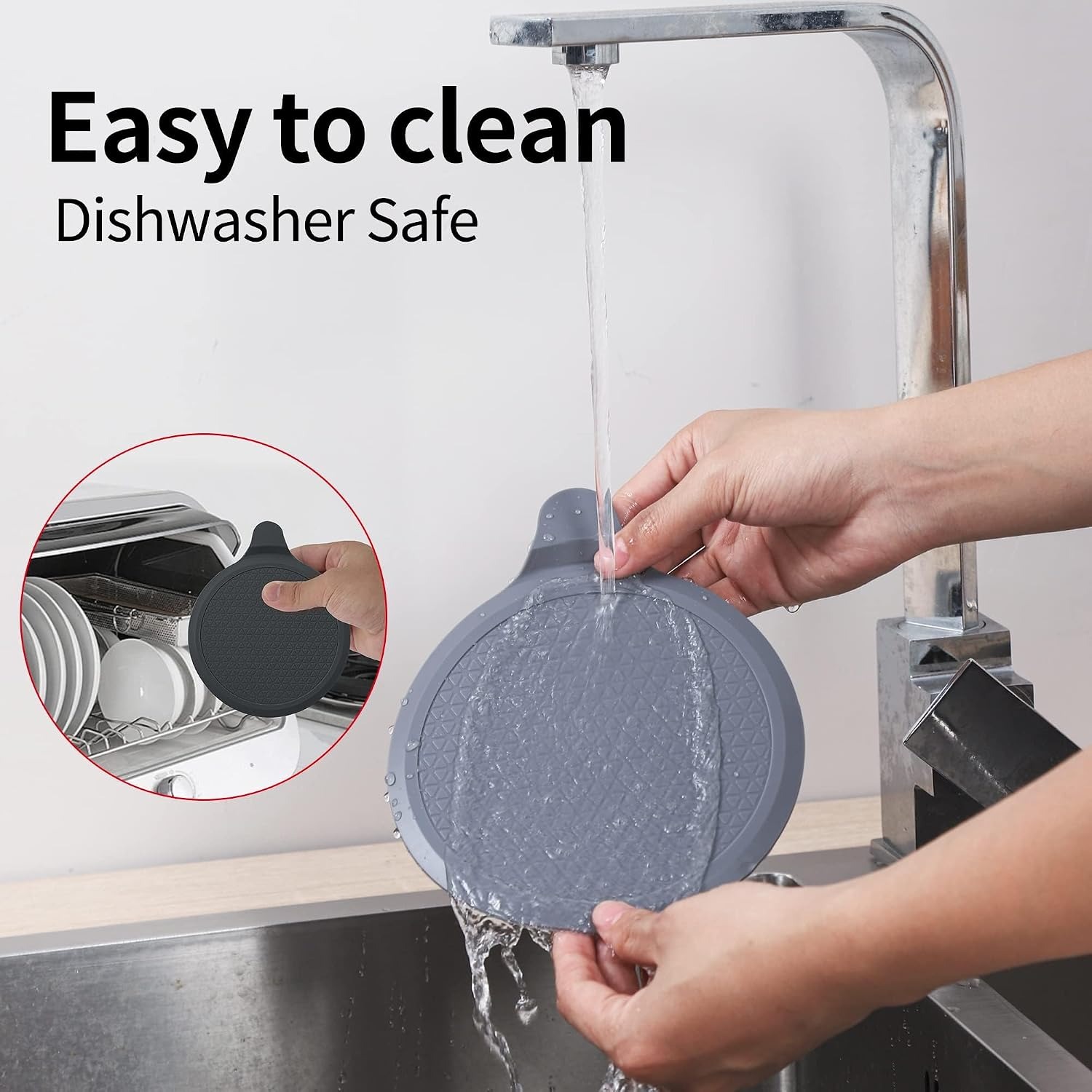
Silicone is forgiving, which is most of the appeal. Rinse it under warm water after use and wipe it dry. That handles normal bathing and washing up.
When it needs more, wash it with dish soap or put it through the dishwasher. The product details confirm it is dishwasher safe, so there is no need to scrub. Skip bleach and skip abrasive pads. Scratches in the silicone surface are where soap scum settles, and a scored disc seals less well than a smooth one.
Store it dry. Hanging it on the suction cup against a tile or the side of the bath is the easiest way to let both faces air out. Leaving it face down on a wet drain traps moisture underneath and encourages a grey film to build up round the rim.
Strongly pigmented products can mark silicone. Hair dye and some bath bombs are the usual culprits. Rinse promptly after those and you will avoid most of it.
A few honest limitations
No flat stopper is magic. If your drain surround is badly pitted, heavily scaled or shaped like a funnel, physics is working against you. It is also not a repair for a leaking waste pipe under the sink, since it only addresses water going down the plug hole.
The suction cup needs a reasonably smooth surface. On a textured non-slip bath base, it may hold adequately but it will not grip as firmly as it does on a smooth ceramic or stainless finish.
Weight and packed dimensions are not listed by the maker, so if you need those figures for a specific reason, ask us before ordering rather than assuming.
The short version
If your plug has gone missing, perished or jammed, a wide silicone disc that lays over the drain is the least fussy fix available. There is nothing to install, nothing to size up against a fitting, and nothing permanent to undo later.
Check that you have a flat, smooth surround at least 15cm across. Keep the area clean so the suction cup can do its job. Rinse the stopper after use and let it dry properly. Do those things and a simple two pack will quietly solve a bath, a kitchen sink and probably a laundry tub as well.