

The complete guide
How to Stop Blocked Downpipes With Mesh Gutter Guards
The small blockage that causes big damage
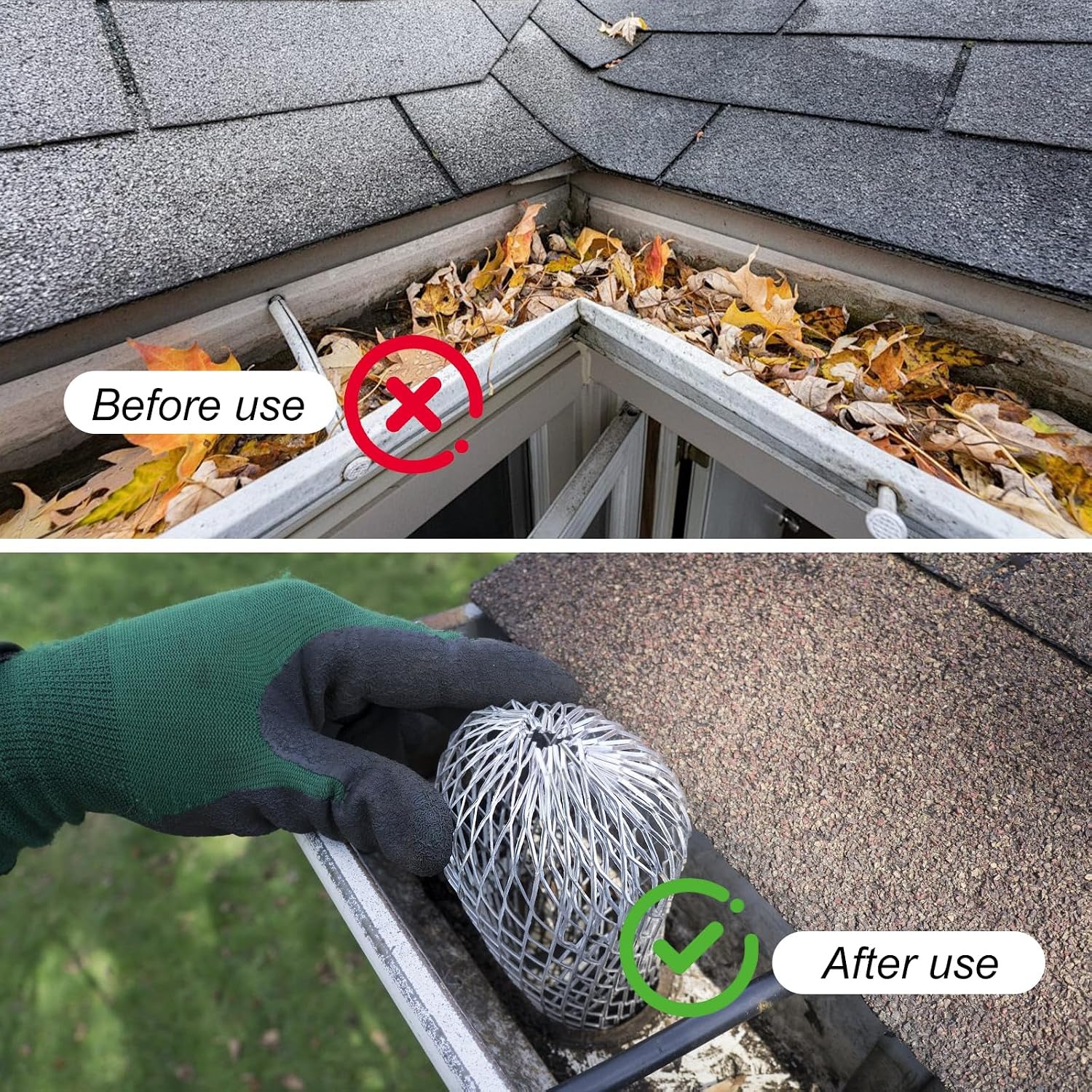
Most gutter problems do not start in the gutter. They start at the outlet, the small hole at the end of the run where water drops into the downpipe. Leaves float along the channel during rain, bunch up at that hole, and knit together into a plug. Once that plug forms, the gutter fills, then spills over the front edge.
That overflow is the expensive part. Water running down a wall soaks render and brickwork. It finds its way behind fascia boards. In cold weather it freezes in the joints and works them apart. Around a doorway it can end up on the floor inside. None of that is dramatic on day one, which is exactly why it gets ignored until the stain on the ceiling appears.
A downpipe leaf guard is a cheap answer to a problem that gets costly if you leave it. You are putting a filter at the chokepoint instead of trying to keep the entire roofline spotless.
What these guards actually do
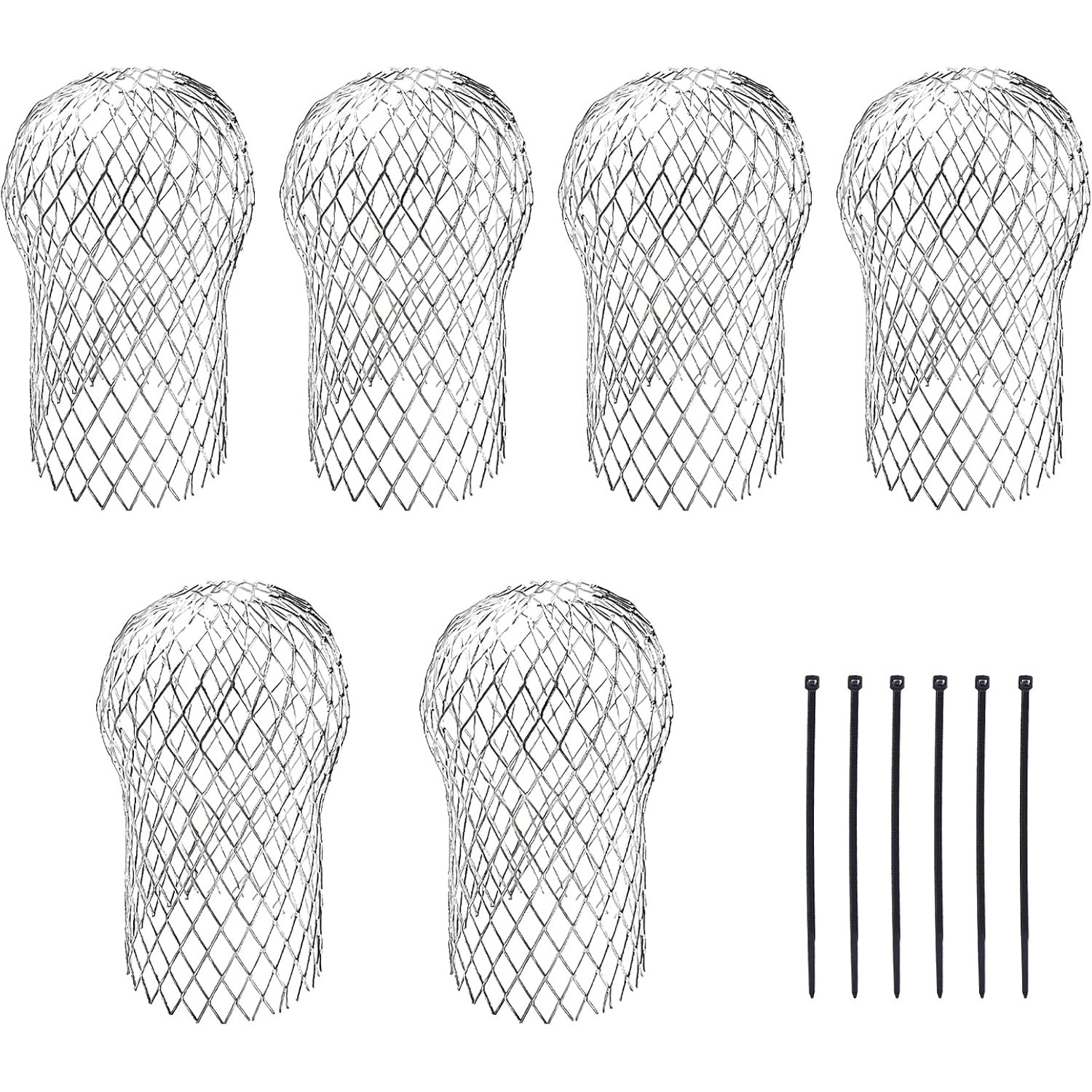
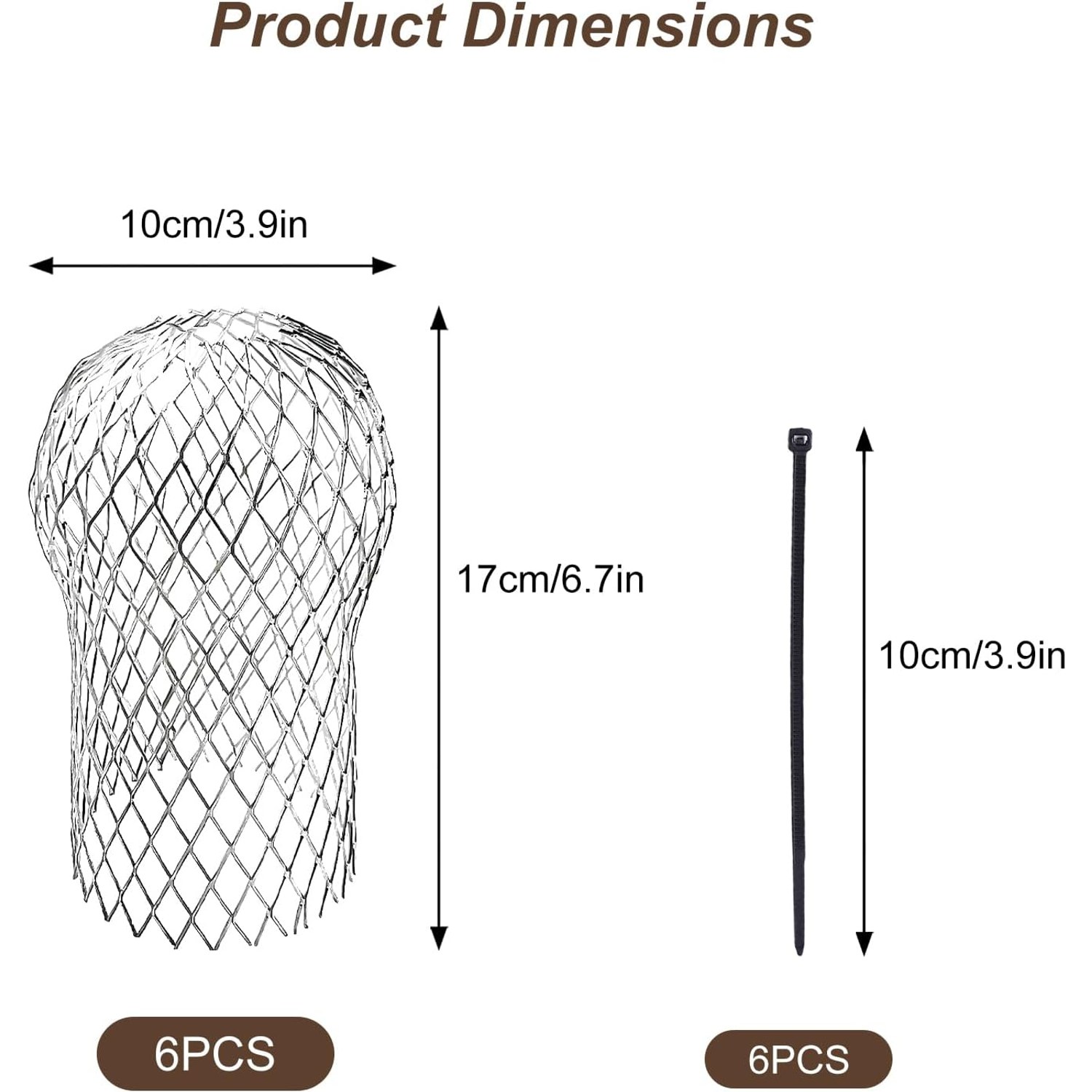
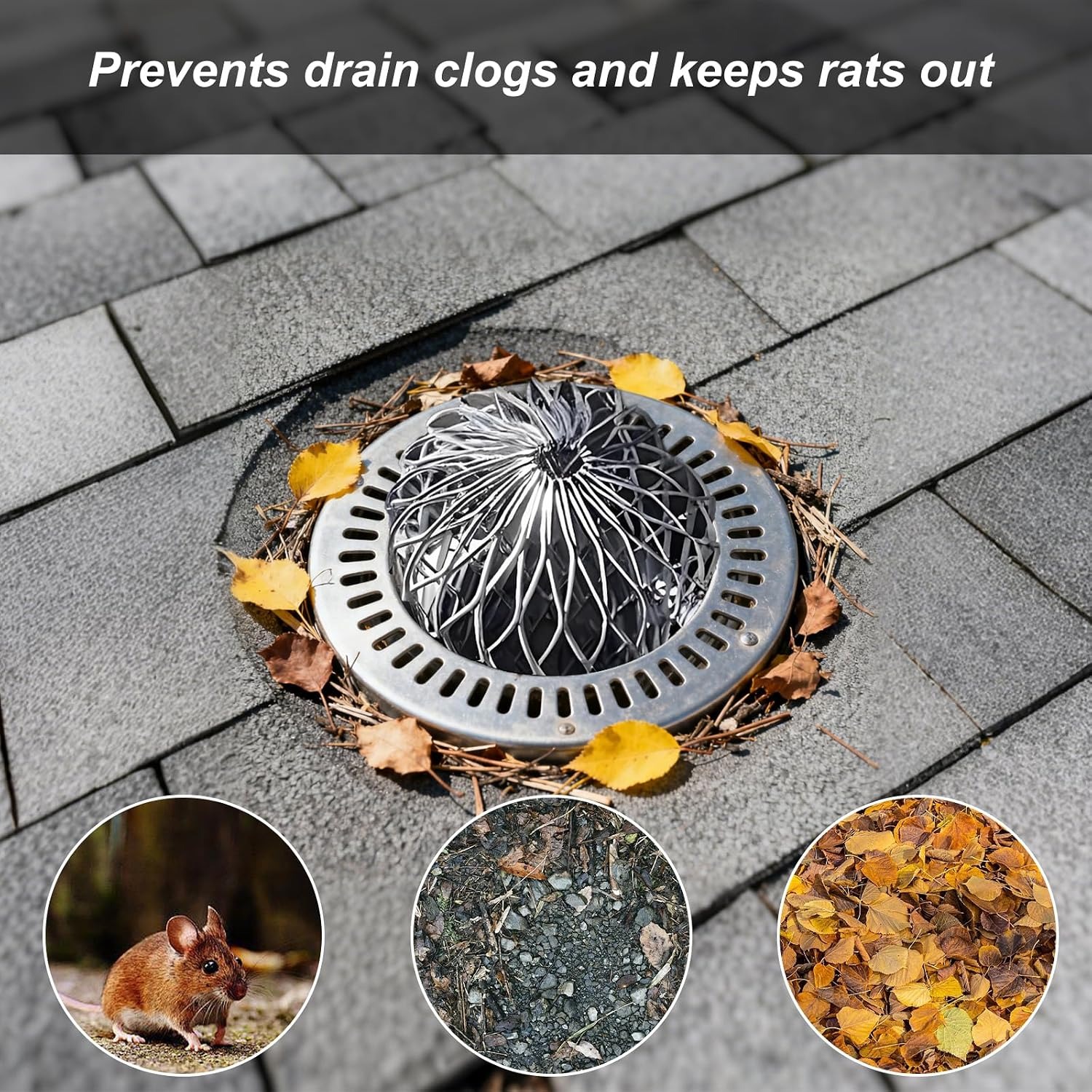
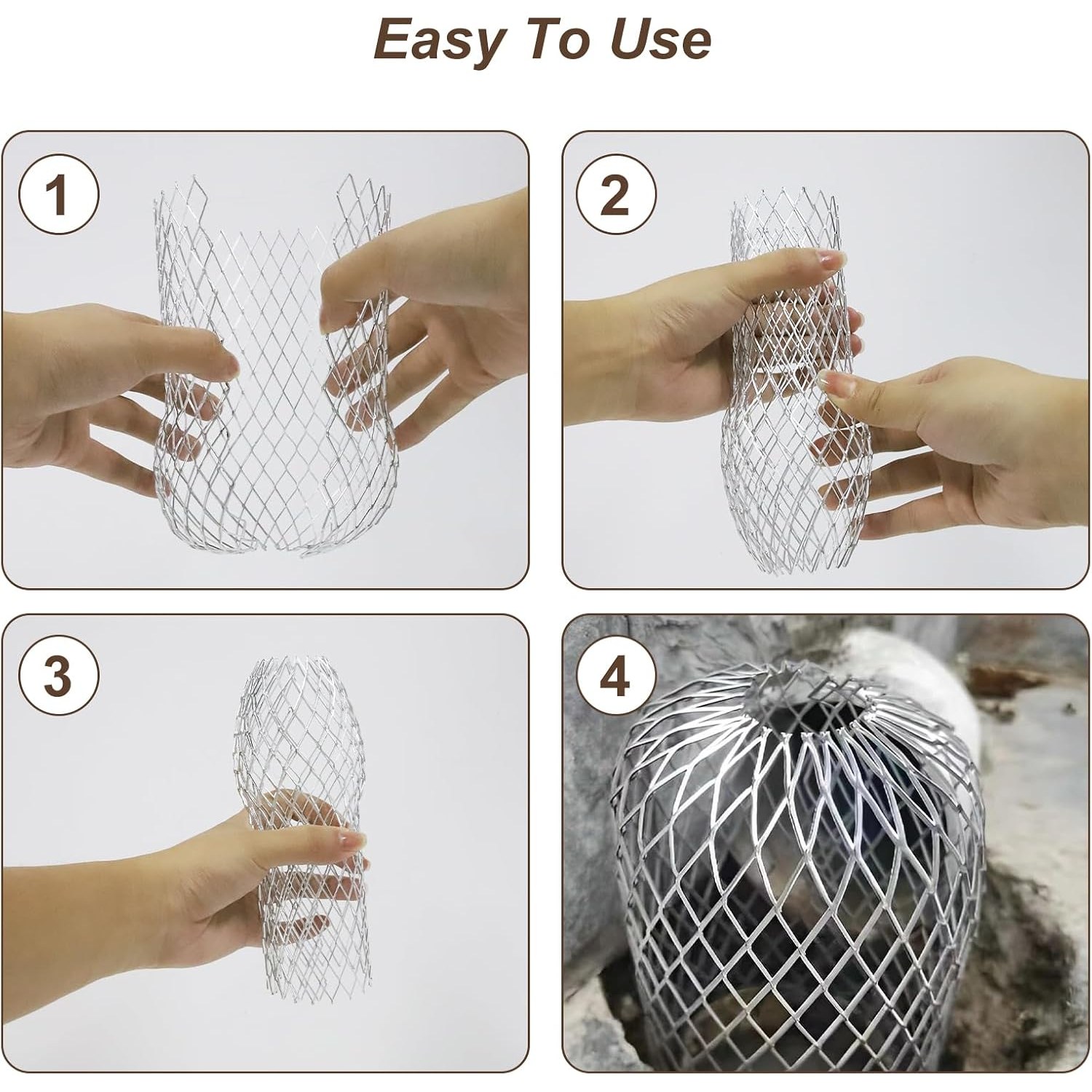
Each one is a small curved sheet of aluminium alloy mesh, roughly 10 cm by 17 cm. It sits over or inside the gutter outlet and is held in place with a tie threaded through the mesh. Rain passes through the holes. Leaves, twigs, moss fragments and the grit that washes off roof tiles stay on top.
The difference it makes is where the debris ends up. Without a guard, that material drops straight into the downpipe and settles at the first bend, somewhere you cannot see and cannot reach without dismantling the pipe. With a guard, it sits in plain view on the gutter side, dries out between showers, and often blows off on its own. What is left comes away in seconds when you lift the mesh.
There is a limit to be honest about. No gutter guard mesh makes gutter cleaning disappear. If a thick wet mat of leaves builds up on top of the mesh, water can sheet over the edge of the gutter instead of draining through. That is why a twice yearly look is part of the deal. The job just becomes a two minute lift and shake instead of a long session with a trowel and a hose.
Why aluminium rather than plastic
Plastic mesh is cheaper to make and it works fine for a season or two. The problem is ultraviolet light. Sun exposure makes thin plastic brittle, and brittle plastic cracks when you flex it to clean it or when ice forms in the mesh. You end up replacing it.
Aluminium alloy behaves differently. It does not rust the way steel does, so standing water after a storm is not a threat. It keeps its shape when you bend it slightly to fit an awkward outlet. It handles cold without going fragile. Over years rather than months, the metal version tends to be the one still doing its job.
The silver finish is practical too. It reads as neutral against white, grey and black guttering, so from the ground the guards are barely noticeable.
Who these suit
Houses with trees nearby are the obvious case. Oak, sycamore, birch and lime all shed enough in a few weeks to choke an outlet. If you spend every November on a ladder, this is for you.
They also suit anyone with awkward access. A downpipe over a conservatory roof or a narrow side passage is a nuisance to clear. Fitting an aluminium drain guard once means you are up there far less often.
Sheds, garages and outbuildings are worth a mention. Nobody inspects a shed gutter. It blocks, overflows, and rots the timber below without anyone noticing for a couple of years. A single guard on each outbuilding outlet is cheap protection.
Rental landlords find them useful as well. A tenant will not generally report a slow gutter, but they will report a damp wall. Putting a gutter leaf catcher on each outlet reduces the chance of that call.
If you have pine trees directly over the roof, set your expectations properly. Needles are thin and straight and some will always find their way through mesh of any gauge. The guards still help, but you will be brushing them more often.
Choosing the right guard
Start by measuring. Look at your outlet and note its diameter or width. These guards are made for common residential outlets, and the 10 x 17 cm mesh sheet covers that range. If you have a wide commercial hopper or an unusual box gutter outlet, check the numbers before you order rather than after.
Think about how many you need. Count your downpipes, then add one or two spares. Guards get knocked loose by a careless ladder or lost during a tidy up, and having a replacement in the shed is better than ordering one at a time.
Consider the tie. The supplied pull rings hold the guard against wind and heavy flow. If you are fitting somewhere very exposed, a second tie through a different part of the mesh adds security. Any outdoor grade cable tie works for that.
Finally, be sceptical of big claims. The best downpipe leaf guard is the one that fits your outlet, stays put, and is easy to lift off. Anything promising permanent freedom from gutter maintenance is overselling.
Fitting them safely
The fitting itself is trivial. Place the guard over the outlet, thread the tie through the mesh and around a secure point, pull it snug, and trim the tail. One minute per outlet, no drilling, no sealant.
The ladder part deserves more care than the product part. Set the ladder on firm, level ground at a sensible angle. Do not lean out sideways to reach an outlet, move the ladder instead. Have someone foot the ladder if you can. Carry the guards and ties in a pouch so you are not holding anything in your hands while you climb.
If working at height is not for you, that is a perfectly reasonable call. A handyperson can fit a full set in one short visit, and it is a far cheaper call out than repairing a damp wall.
Keeping them working
Twice a year is the rhythm most homes need. Once in late autumn after the leaves have finished dropping, and once in spring after the winter mess. Lift each guard, tip the debris into a bucket rather than onto the ground where it will wash back, and give the mesh a rinse if it looks caked.
While you are there, glance at the gutter channel itself. The guard protects the pipe, not the gutter, so silt and moss can still build up along the run. A quick scoop keeps the water moving toward the outlet.
Check the ties at the same time. Even UV stable plastic gives up eventually. A tie that looks chalky or snaps when you flex it should be swapped for a fresh one. That is a job with a five minute total cost and a decade of benefit.
If you store spares, keep them dry and flat so the mesh does not get bent out of shape.
The short version
Blocked downpipes cause overflow, and overflow causes damp walls and rotten fascia. A mesh gutter filter at the outlet stops the debris before it enters the pipe, which is the part you cannot easily clear.
These guards are aluminium alloy rather than plastic, so they handle sun, rain and frost without going brittle. They measure about 10 by 17 cm, weigh almost nothing, and fit with a tie in under a minute. No tools, no drilling, nothing permanent.
You will still look at your gutters twice a year. The difference is that the job becomes a quick lift and shake instead of an afternoon with a bucket and a lot of swearing. For the price of one callout, you can cover every outlet on the house.