EzyDrains Company
Company
Shop By Category
T&Cs
Shop Online
  • Size, material and fit listed
  • Free tracked delivery across the UK over £100
  • 14-day returns

Flexible Drainage Rods 12 Piece | Drain rods set 9.2m | outside drain unblocker

Flexible Drainage Rods 12 Piece Set

£43.99 £52.99 Save £9
  • 9.2 Metres Reach
  • Flexible Rods
  • Two Attachments
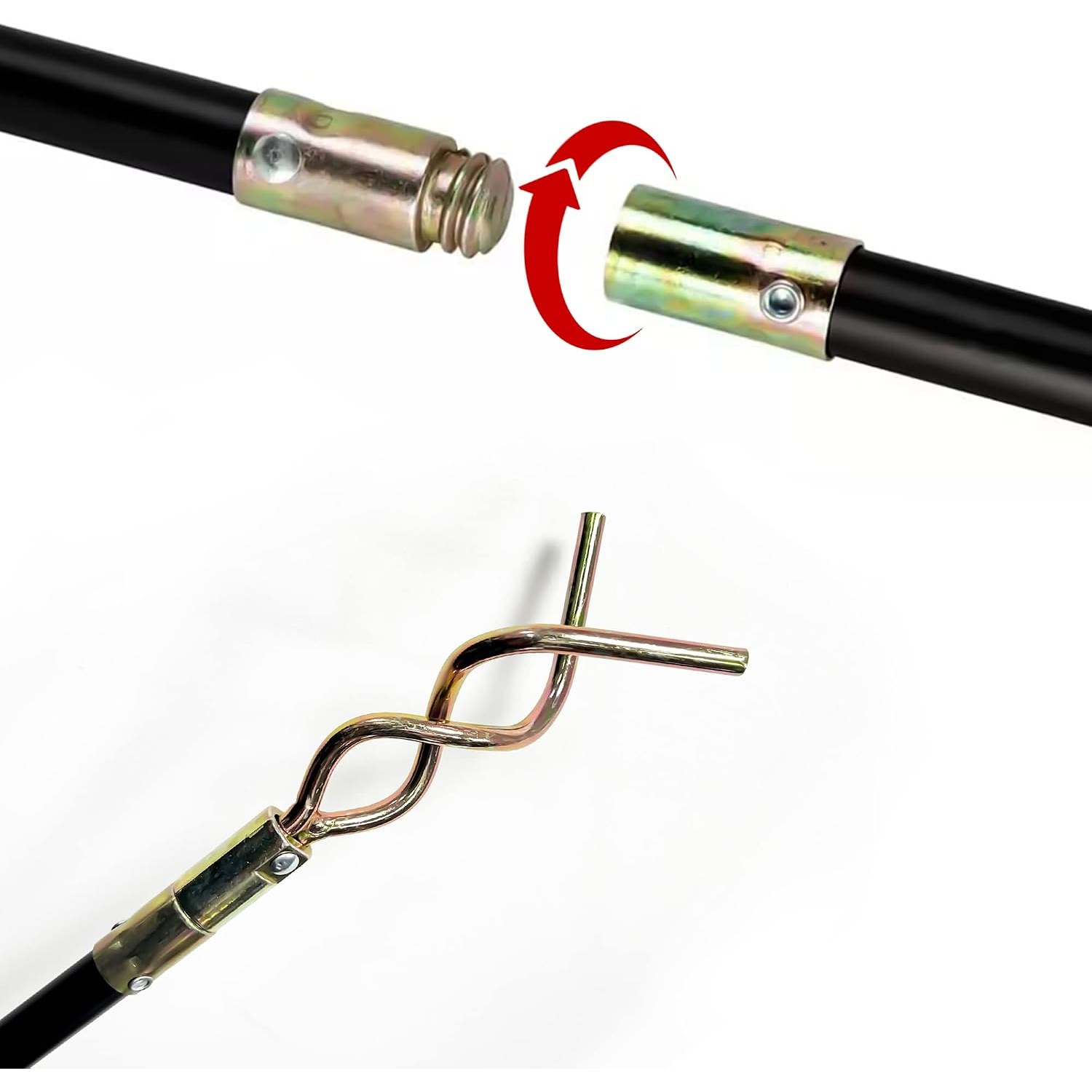
  • Brass End Fittings

Price: £43.99 £52.99

  • Free tracked delivery across the UK on orders £100+, otherwise a flat £12
  • Pay by card or PayPal, handled by the payment provider
  • 14 days to change your mind, plus your statutory rights
Product specifications
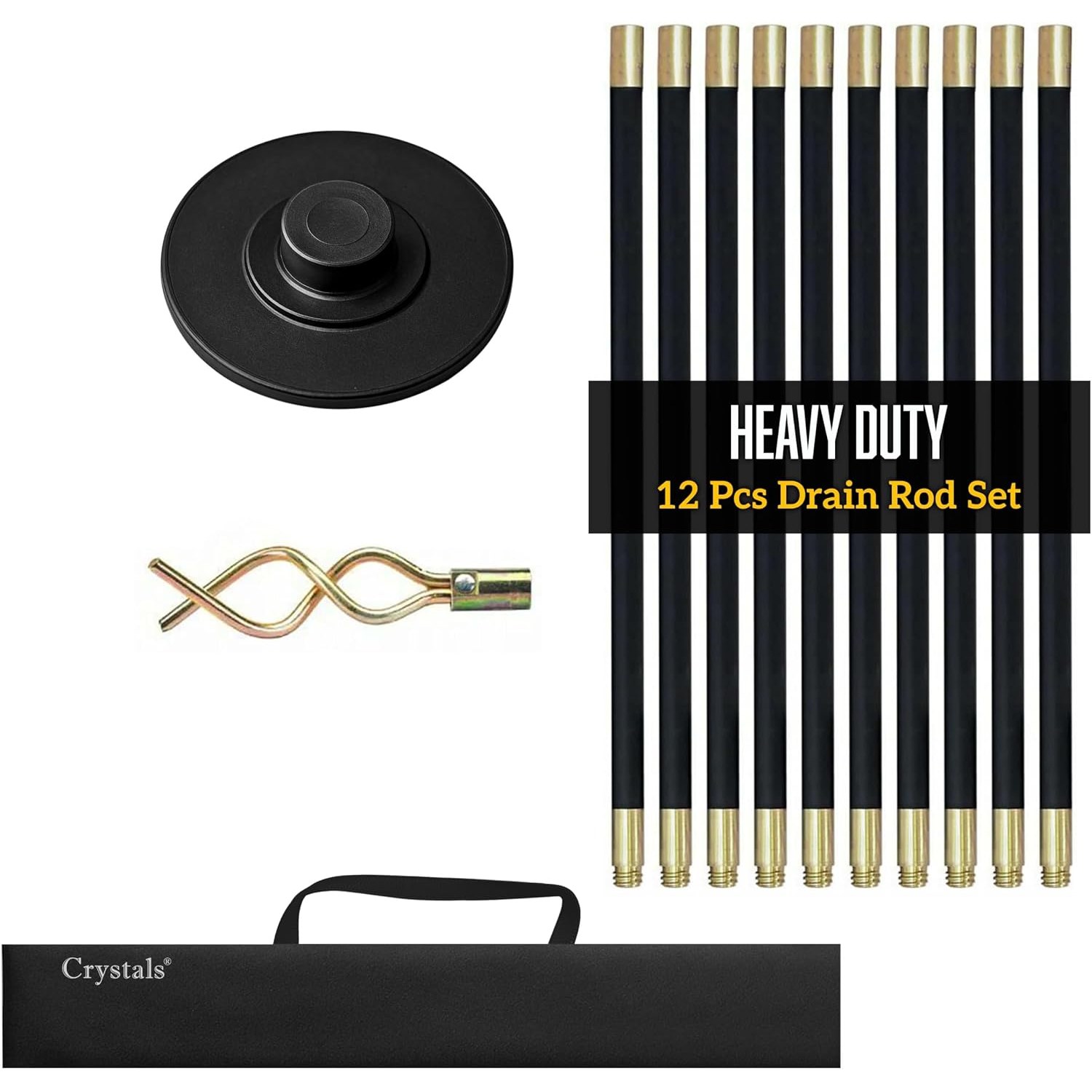
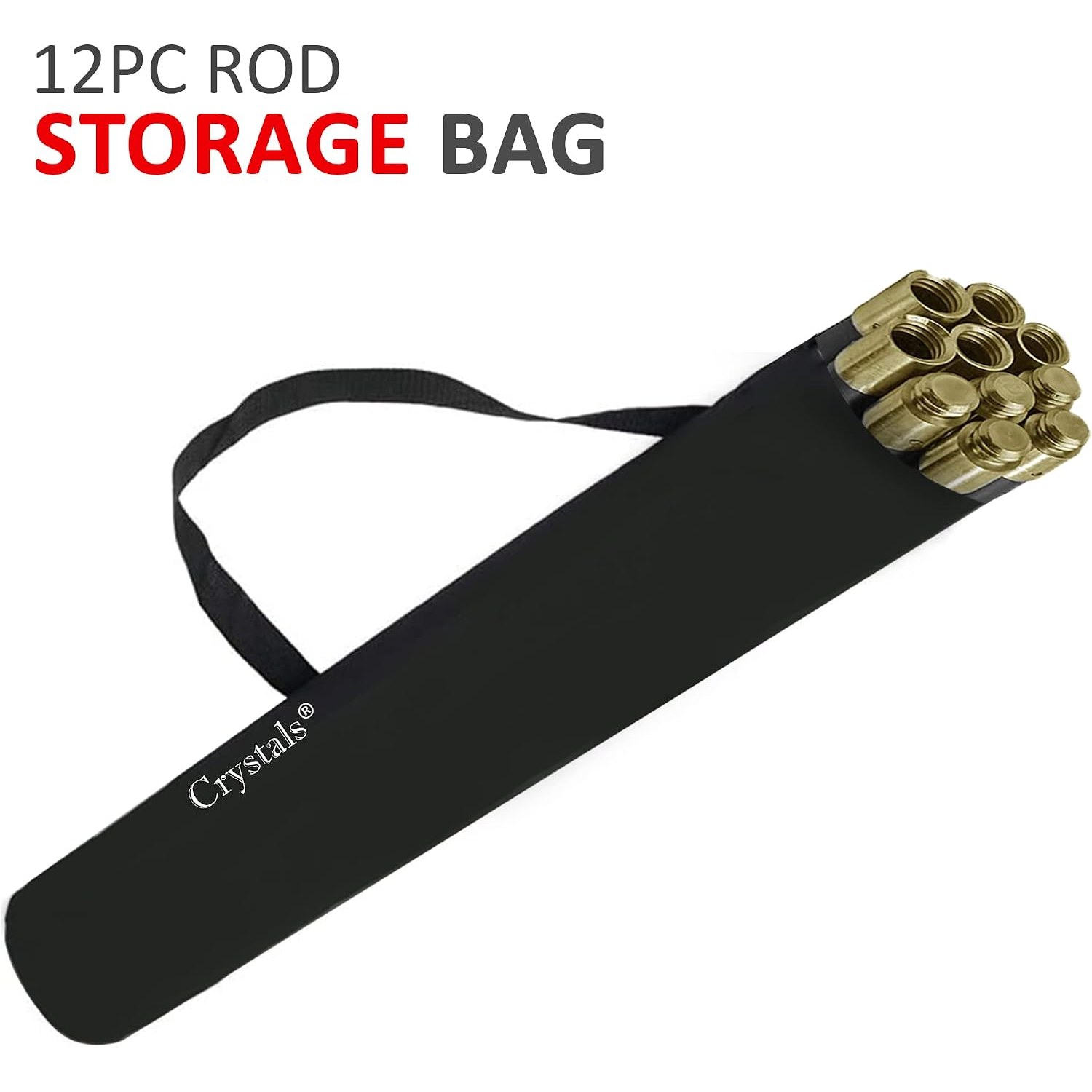
Set Contents10 rods, 1 rubber plunger, 1 double worm screw
Rod Length920 mm each
Total ReachApproximately 9.2 m
Plunger Head100 mm rubber
Worm Screw70 mm double worm
ConnectionsCrimped and pinned, brass plated ends
Joint TypeScrew together, clockwise
ManufacturerDenny International
BrandCrystals
Item Model Number5116
ColourBlack
Product Dimensions92 x 10 x 92 cm
Item Weight1.94 kg
Batteries RequiredNo
Weight1.94 kg
Shipping & returns

Tracked delivery anywhere in the UK, sent from UK stock. It is free on orders of £100 or more, and a flat £12 below that. Most orders arrive within 3 to 6 working days.

Under the Consumer Contracts Regulations 2013 you have 14 days from delivery to cancel for any reason, and a further 14 days to send it back. You may handle the item as you would in a shop. We refund the price you paid, including standard delivery, though we may reduce the refund if it has been used beyond that. You cover the cost of returning it unless the item is faulty.

If it arrives faulty, damaged or not as described, we put it right at no cost to you under the Consumer Rights Act 2015, return postage included.

Shipping details · Refunds and returns

9.2 Metres ReachTen 920mm rods screw together for long runs between manholes.
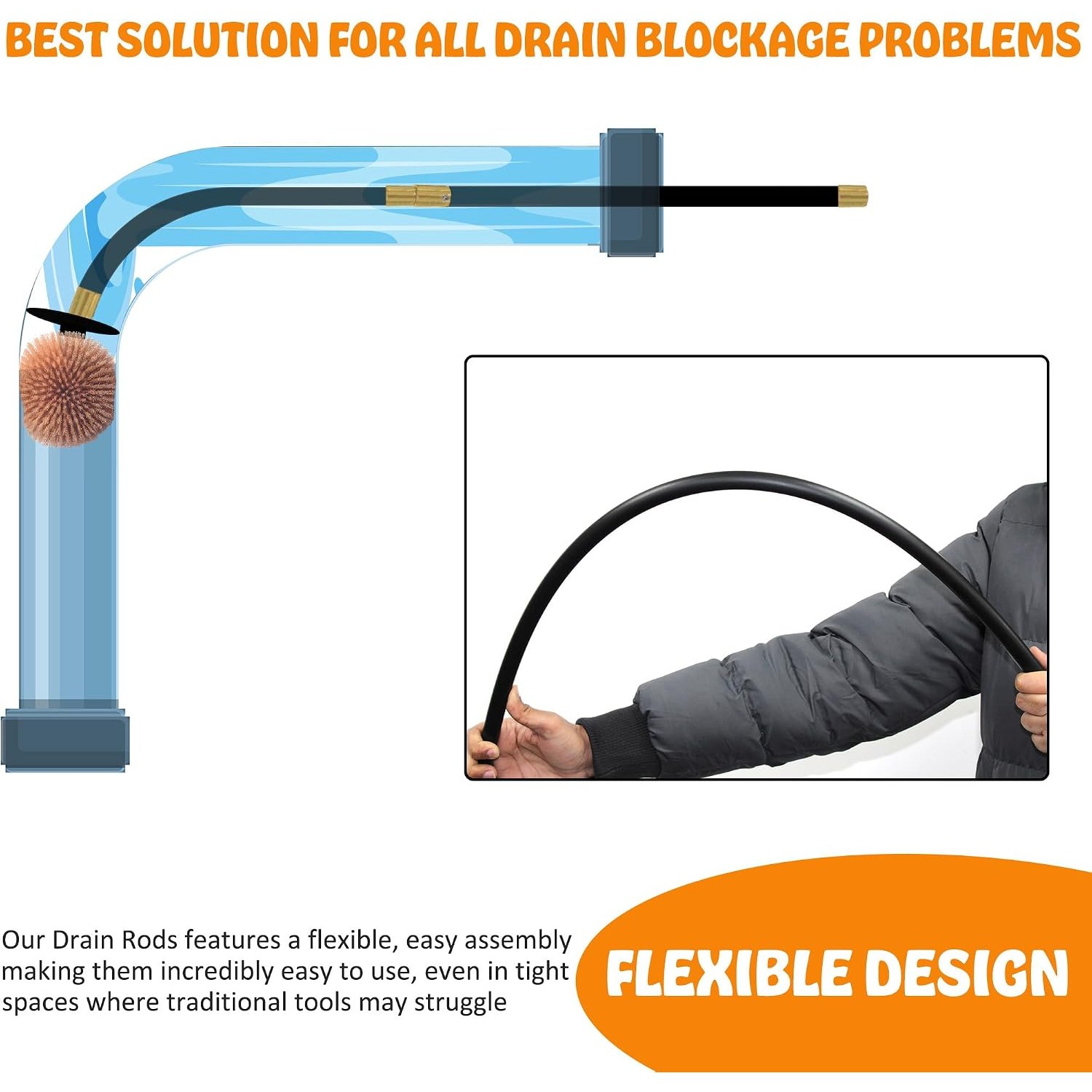
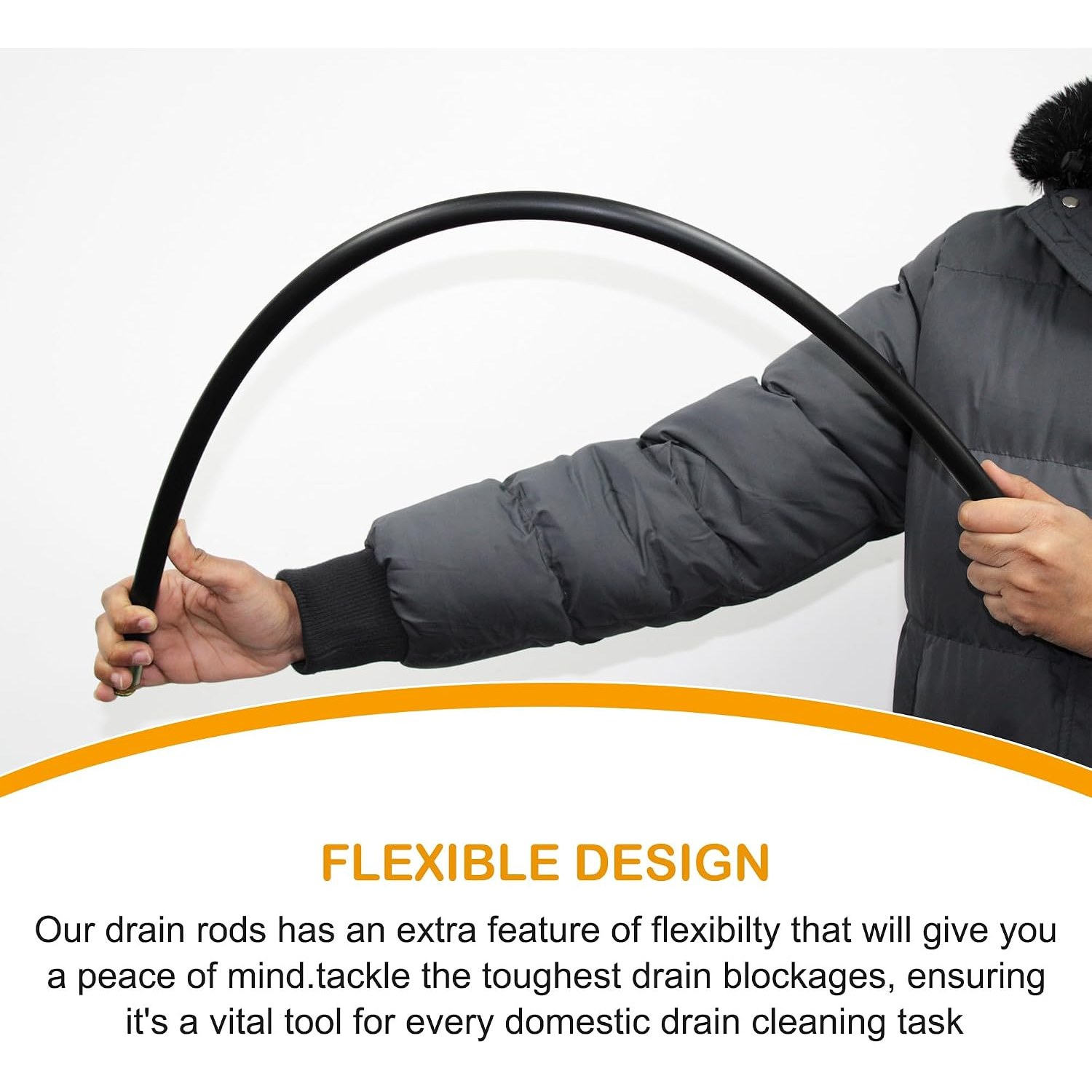
Flexible RodsThey bend around bends and traps instead of snapping or jamming.
Two AttachmentsA 100mm rubber plunger and a 70mm double worm screw are included.
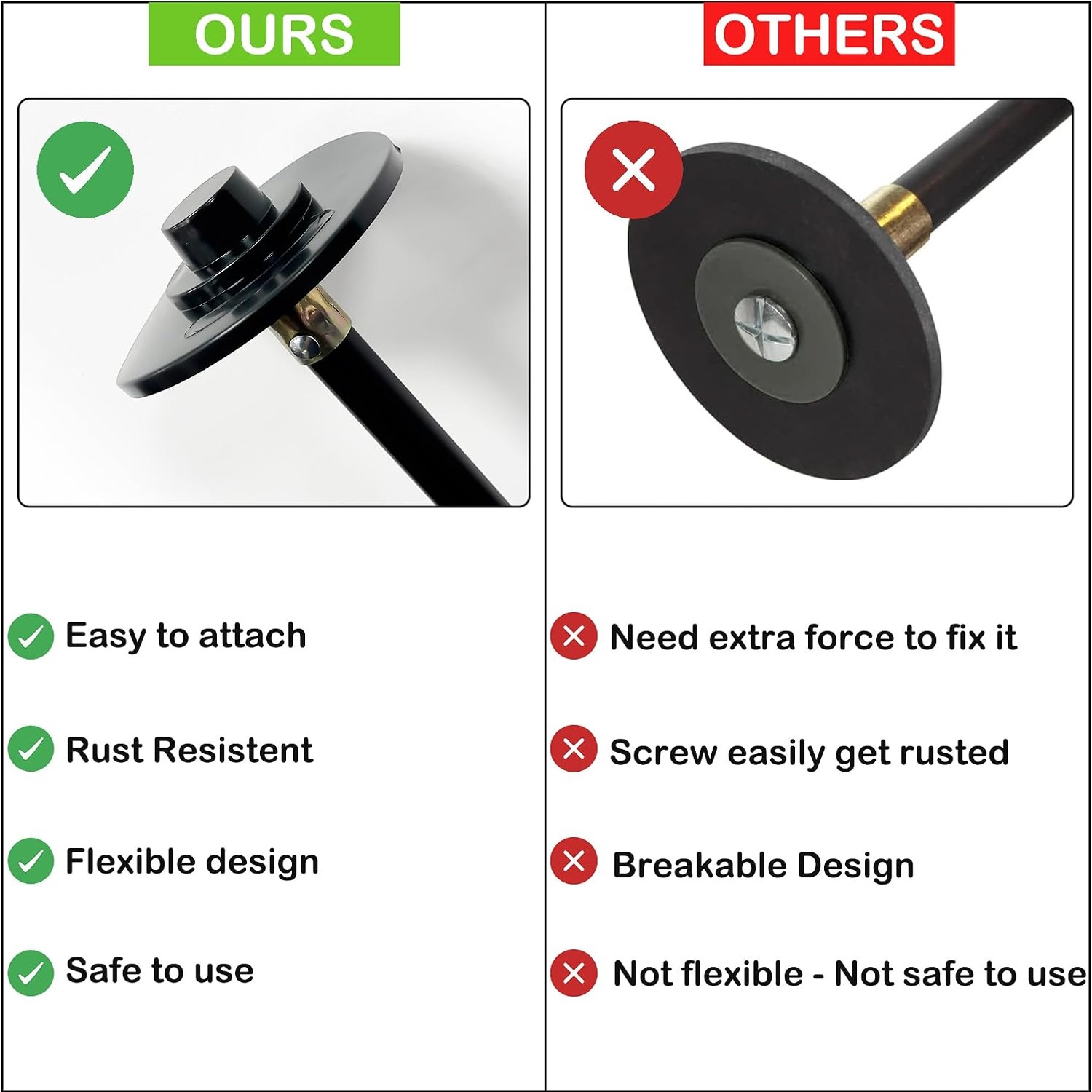
Brass End FittingsCrimped and pinned rustproof connectors hold up to repeat use.

Clear a blocked drain yourself with flexible drainage rods that reach where buckets and bent coat hangers never will.

Ten screw-together 920mm rods with brass end connections, a 100mm rubber plunger and a 70mm double worm screw, giving you up to 9.2 metres of reach for outside drains, gullies and chimney flues.

Ten flexible 920mm rods screw together to give you up to 9.2 metres of reach down an outside drain, gully or chimney flue.

Each rod has crimped and pinned rustproof connectors with brass plated ends, so the joints take the twist without working loose.

The 100mm rubber plunger head pushes soft blockages along with water pressure, while the 70mm double worm screw bites into roots, rags and fat.

The rods flex enough to follow bends and traps, which is where rigid tools usually get stuck.

Twelve pieces in total means one box handles most household drain jobs without calling anyone out.

Flexible Drainage Rods 12 Piece Set

A blocked outside drain announces itself long before you see it. Water sits in the gully instead of draining away, the manhole smells, and eventually a toilet or sink inside the house starts to gurgle. At that point you have two options. Pay someone to turn up with a van, or own a set of drain rods and deal with it in half an hour. This 12 piece set is built for the second option.

Flexible Drainage Rods 12 Piece Set

The core of the kit is ten flexible rods, each 920mm long. Screwed together end to end they give you around 9.2 metres of working length, which covers the typical run between a gully and an inspection chamber on most houses. The rods are flexible rather than rigid, so they follow the curve of a pipe and bend through traps instead of wedging solid at the first elbow. That flexibility is the difference between pushing a blockage clear and giving up with a rod stuck underground.

Flexible Drainage Rods 12 Piece Set

Connections matter more than people expect. These rods use crimped and pinned rustproof connectors with brass plated ends, and they screw together by turning clockwise. The pinning is what stops the fitting pulling out of the rod when you are twisting hard against a stubborn blockage, and brass plating keeps the threads from seizing after a wet winter in the shed. Always rod in a clockwise direction so the joints tighten as you work rather than unwinding.

Flexible Drainage Rods 12 Piece Set

Two attachments are supplied. The 100mm rubber plunger is the one you reach for first on soft blockages, because it seals against the pipe wall and uses the standing water as a ram. Push and pull it in short strokes and most grease, paper and silt blockages give way. The 70mm double worm screw is the follow up tool. It is designed to corkscrew into fibrous material like rags, wet wipes and fine root growth so you can draw the mass back out instead of pushing it further down the line.

Flexible Drainage Rods 12 Piece Set

Beyond drains, the same rods are commonly used for sweeping chimney flues and for poking through long ducts and other awkward cavities where your arm will not reach. The set weighs 1.94 kg in total, so it stores easily on a garage shelf or hook and is light enough to carry to the far corner of a garden. Material and country of origin are not specified by the maker.

Not sure yet? That is fine.

A drain part has to fit the drain you have, and you cannot always judge that from a photograph. Under the Consumer Contracts Regulations 2013 you have 14 days from delivery to cancel for any reason, and a further 14 days to send it back. You can handle it as you would in a shop to check the fit. We refund the price you paid, including standard delivery, though we may reduce the refund if the item has been used beyond that.

If it turns up faulty, damaged or not as described, that is on us. The Consumer Rights Act 2015 covers you, and we pay the return postage. Read the full detail on our refunds and returns page, or ask us anything before you order.

Frequently Asked Questions

What exactly comes in the box?

You get ten flexible rods, each 920mm long, one 100mm rubber plunger head and one 70mm double worm screw. That is twelve pieces in total. The rods and attachments all share the same screw fitting so any attachment goes on the end of the assembled rod string.

How far can the rods reach?

Ten rods at 920mm each give you about 9.2 metres of working length. That is usually enough to cover the run between a gully and the nearest inspection chamber on a standard house. You do not have to use all ten at once, just add rods as you push further in.

Are the rods rigid or flexible?

They are flexible, which is the point. A flexible rod bends through traps and bends in the pipe rather than jamming at the first corner. It still has enough backbone to push a blockage along.

How do the rods join together?

Each rod has a threaded connection with a brass plated end, and you screw them together by turning clockwise. Make sure each joint is done up firmly before you start. Loose joints are the main reason rods come apart underground.

Why does everyone say to rod clockwise?

Because the joints tighten when you turn clockwise and loosen when you turn anticlockwise. If you twist the wrong way while the end is caught on something, you can unscrew a rod and leave it in the drain. Keep every twist clockwise and you avoid that completely.

What is the rubber plunger for?

The 100mm rubber plunger seals against the pipe wall and uses the water in the pipe to push the blockage along. Short, firm push and pull strokes work better than one long shove. It is the best first attachment for soft blockages like grease, paper and silt.

What is the double worm screw for?

The 70mm double worm screw corkscrews into fibrous blockages so you can drag them back out. It is the tool for wet wipes, rags, cloth and fine root growth. Turn it clockwise into the mass, then pull steadily rather than yanking.

Which attachment should I try first?

Start with the plunger on almost any blockage. If the water does not shift after a few minutes of plunging, switch to the worm screw to find out whether something fibrous is holding it. Most household blockages clear with one or the other.

Will these fit standard household drain pipes?

The 100mm plunger suits common 100mm household drain runs, and the 70mm worm screw works in both 100mm pipes and narrower branches. Measure your pipe if you are unsure. For very narrow waste pipes under a sink, a smaller hand auger is a better match than a full rod set.

Can I use these on an indoor toilet?

Rods are designed for outside drains, gullies and inspection chambers. You can rod back toward the house from an outside chamber, which is usually the safer route. Pushing rods down a toilet pan risks cracking the ceramic.

Can they be used for chimney sweeping?

Yes, flexible rods of this type are widely used for sweeping chimney flues as well as drains. You would need a brush head sized to your flue, which is not included in this set. The screw fittings are the standard type used across many rod accessories.

Are they any good for clearing a blocked gully?

Very good. Lift the gully grid, clear the loose debris by hand with gloves on, then rod from the gully toward the chamber. This set is one of the best outside drain unblocker options for that job because the flexible rods follow the gully trap.

How much force should I use?

Firm and steady beats violent. Push, twist clockwise, pull back a little, push again. If a rod will not move at all, do not lean your full weight on it, back off and try a different attachment or approach from the other end.

What should I wear?

Heavy waterproof gloves at minimum, plus old clothes and boots you do not mind rinsing. Eye protection is sensible because water can kick back out of a chamber when a blockage clears. Wash your hands properly afterwards.

Can one person do this alone?

Yes, most domestic drain jobs are a one person task. A second pair of hands helps when you are adding rods quickly or holding a chamber lid. The set weighs 1.94 kg so carrying it around the garden is easy.

How do I know which way to rod?

Lift the inspection chamber lid. If the chamber is full of water, the blockage is downstream of it. If the chamber is empty but the gully is full, the blockage is between the gully and the chamber. Rod toward the blocked section.

What if the rods come apart in the drain?

It is almost always caused by turning anticlockwise. If it happens, use the worm screw to try to hook the loose rod and draw it back. Checking every joint is tight before you start, and only ever twisting clockwise, prevents it.

Do I need to add drain chemicals as well?

Usually no. Mechanical rodding clears the blockage directly, which is why many people prefer it to caustic products. If you want to follow up, hot water and a flush through is enough for most domestic drains.

How do I clean the rods after use?

Rinse them with a hose, give the attachments a scrub, then let everything dry before it goes away. Pay attention to the threads so grit does not grind into the fittings. Dry storage keeps the connectors in good shape.

Where should I store the set?

A dry shed, garage shelf or hook on a wall is fine. Keep them out of constant rain so the connectors stay clean. Keeping the rods roughly straight rather than tightly coiled helps them last.

Will they rust?

The connectors are described as rustproof, with crimped and pinned construction and brass plated ends. Drying the set after use and storing it indoors is still the best habit for any drain tool. Standing water left in the fittings is what ages them fastest.

What are the exact product dimensions and weight?

The maker gives product dimensions of 92 x 10 x 92 cm and an item weight of 1.94 kg. Each individual rod is 920mm long. That packed size reflects the rods laid out in the box.

What colour is it?

The set is listed as black. The attachment heads are a rubber plunger and a metal worm screw. Colour of individual components beyond the black listing is not specified by the maker.

What is it made of?

The connectors are described as crimped and pinned rustproof fittings with brass plated ends. The plunger head is rubber. The material of the rod body itself is not specified by the maker.

Who makes it?

It is sold under the Crystals brand, with Denny International listed as the manufacturer and model number 5116. Country of origin is not specified by the maker.

Is this suitable as a gift?

It makes a practical gift for anyone with an older house, a long drive with gullies, or a wood burner with a chimney to sweep. It is the kind of thing people are glad to own but rarely buy for themselves. Pair it with a pair of heavy duty gloves if you want to round it out.

Can a complete beginner use this?

Yes. The technique is simple, screw rods together, push, twist clockwise, add more rods as needed. The main things to get right are tight joints and clockwise turning. Most people clear their first blockage within half an hour.

How does this compare to hiring a drain company?

A single call out for a blocked drain usually costs several times what this set costs, and you only get the one visit. Owning rods means the next blockage is a job you handle yourself. For serious collapses or persistent root damage you still want a professional with a camera.

How is it delivered?

It ships from our fulfilment partner in protective packaging. You will get tracking details by email once the parcel is on its way. Delivery times vary by destination country.

What if it is not right for me?

Contact us within the returns window with your order number and tell us what is wrong. If the set is unused and in its original packaging we will arrange a return or replacement. If something arrived damaged or a piece is missing, send a photo and we will sort it without sending the whole thing back.

How to Choose and Use a Drain Rod Set

6 min read EzyDrains Company

The problem with a slow outside drain

It starts quietly. The gully by the kitchen takes a few seconds longer to clear. Then it takes a minute. Then there is a shallow pool of grey water sitting there after every wash, with a smell that gets worse in warm weather. Eventually something inside the house gurgles, usually a downstairs sink or the toilet, and that is the drain telling you the blockage has backed up far enough to matter.

Almost every household drain blockage sits in the same few places. The gully trap, the bend just past it, the run between the gully and the inspection chamber, or the chamber itself. None of those are deep, complicated plumbing. They are accessible from the surface with the right tool, and the right tool is a set of drain rods.

The reason people call someone out instead is simply that they do not own rods. A bucket and a stick does not work. A garden hose pushes water at the blockage but has no way to break it up. Rods do both, because you can physically reach the blockage and attack it with a head designed for the job.

What a 12 piece set actually gives you

This set has ten flexible rods at 920mm each, a 100mm rubber plunger and a 70mm double worm screw. Screw all ten rods together and you are working with roughly 9.2 metres of reach. On a normal house, that covers the distance from a gully to the nearest chamber with room to spare.

The rods are flexible rather than stiff. That sounds like a weakness and is actually the whole point. Drain runs are not straight. There is a trap under the gully, there are bends where the pipe turns to follow the wall, and there is usually a step down into the chamber. A rigid rod stops dead at the first of those. A flexible rod bends through, keeps contact with the pipe wall, and carries on.

Connections are the other thing worth paying attention to. These rods use crimped and pinned rustproof connectors with brass plated ends. Pinning means the fitting is mechanically locked to the rod, not just glued or pressed on, so it does not pull free when you are twisting hard. Brass plating keeps the threads from seizing up after a season in a damp shed.

How rodding actually works

Lift the inspection chamber lid first. This one step tells you where the blockage is. A chamber full of standing water means the problem is downstream, between that chamber and the next one or the main sewer. An empty chamber with a flooded gully means the problem is upstream, in the short run from the gully.

Screw two or three rods together to start. Fit the plunger head. Feed it into the pipe in the direction of the blockage and push. Keep every twist clockwise, always, because the joints tighten clockwise and loosen the other way. Add rods one at a time as you go deeper, and do each joint up properly before you commit it to the pipe.

The plunger works by sealing against the pipe wall and using the standing water as a ram. Short, firm push and pull strokes build pressure and release it, which breaks up soft material. Most grease, soap, paper and silt blockages give way to this within a few minutes.

If the plunger does not shift it, something fibrous is probably holding the mass together. Wet wipes are the usual suspect, followed by rags and fine root hair that has found a cracked joint. That is when you swap to the 70mm double worm screw. Corkscrew it clockwise into the blockage so it bites, then draw it back steadily. You are pulling the material out rather than pushing it along.

When the water goes, flush the line properly. Run a hose into the gully for a few minutes and watch the chamber to confirm it is flowing clear. A partial clear that you walk away from will block again within weeks.

Who this suits

Anyone in an older property with open gullies and inspection chambers in the garden. Anyone on a long drive where the drain run between the house and the main sewer is measured in metres rather than feet. Landlords with more than one property, because the cost of a single call out usually covers the set several times over. Allotment holders, smallholders and anyone who looks after a yard with surface drainage.

It is also worth knowing that rods of this type are commonly used for chimney flues. If you burn wood and want to sweep your own flue, you would need a brush head sized to the flue, which is not included here, but the rods themselves do that job. The same goes for long ducts and awkward cavities where your arm does not reach.

Where a rod set is not the answer is inside the house. Narrow waste pipes under a sink want a small hand auger, not a 100mm plunger head. And if you have a collapsed pipe or long standing root damage, no rod will fix that. You want a professional with a camera to find out exactly what has happened underground.

Choosing between sets

Length is the first filter. Shorter sets of five or six rods sound cheaper until you discover your chamber is eight metres from the gully. Ten rods at 920mm covers most domestic layouts without you having to borrow more.

Joint type is the second. Screw together fittings are the common standard and they work well as long as they are pinned to the rod properly. The failures you read about are nearly always loose joints or anticlockwise turning, not the fitting design itself.

Attachment choice is third. A plunger and a worm screw between them handle the two main categories of blockage, soft and fibrous. Some people add a rubber disc or a scraper head later. Because the thread is the standard type, extra heads generally fit.

Finally, think about weight and storage. This set comes in at 1.94 kg, which is nothing to carry and easy to hang on a garage wall. A set that lives somewhere accessible is a set you will actually use.

Looking after them

Rinse everything with clean water the moment you finish. Scrub the attachment heads, pay attention to the threads, and let it all dry before it goes back in the shed. Grit in the fittings is what grinds threads over time, and standing water in the connectors is what ages them.

Store the set dry and roughly straight. Keep gloves with it so you are not hunting for a pair next time. Before every job, run through the joints and check each one screws up tight and clean.

The short version

A blocked outside drain is a job most people can do themselves, and the only reason they do not is a missing tool. Ten flexible 920mm rods give you around 9.2 metres of reach. The 100mm rubber plunger clears soft blockages by pressure. The 70mm double worm screw pulls out rags, wipes and root hair. Keep every twist clockwise, check your joints, and flush the line through when the water goes.

Buy it once, hang it on the wall, and the next time the gully fills up you are outside with gloves on rather than on the phone waiting for a van.

Browse the shop

Drain backing up again?

Keep a rod set on the shelf and the next blockage becomes a thirty minute job instead of a call out fee.

Ask us a question

Page summary

The Crystals Flexible Drainage Rods 12 Piece Set is a manual drain clearing kit supplied by Denny International under model number 5116. It contains ten flexible rods, each 920mm long, giving roughly 9.2 metres of total reach when screwed together, plus a 100mm rubber plunger head and a 70mm double worm screw attachment. Rods use crimped and pinned rustproof connectors with brass plated end fittings and join by turning clockwise. The set is black, weighs 1.94 kg, and is listed with product dimensions of 92 x 10 x 92 cm. It is intended for clearing outside drains, gullies and inspection chambers, and is also used for chimney flues and hard to reach cavities. Material and country of origin are not specified by the maker.