
EzyDrains Company
Company
Shop By Category
T&Cs
Shop Online
  • Size, material and fit listed
  • Free tracked delivery across the UK over £100
  • 14-day returns

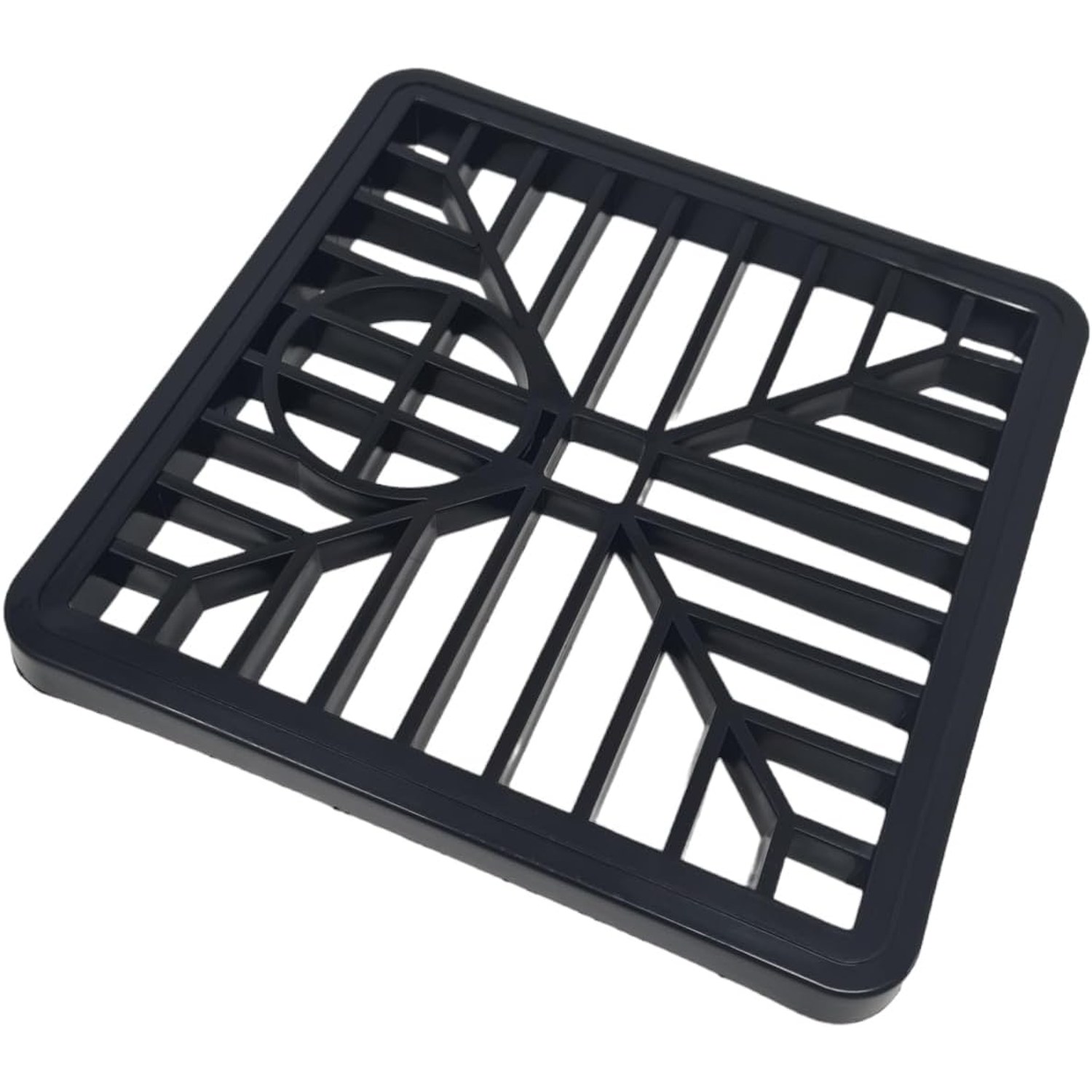
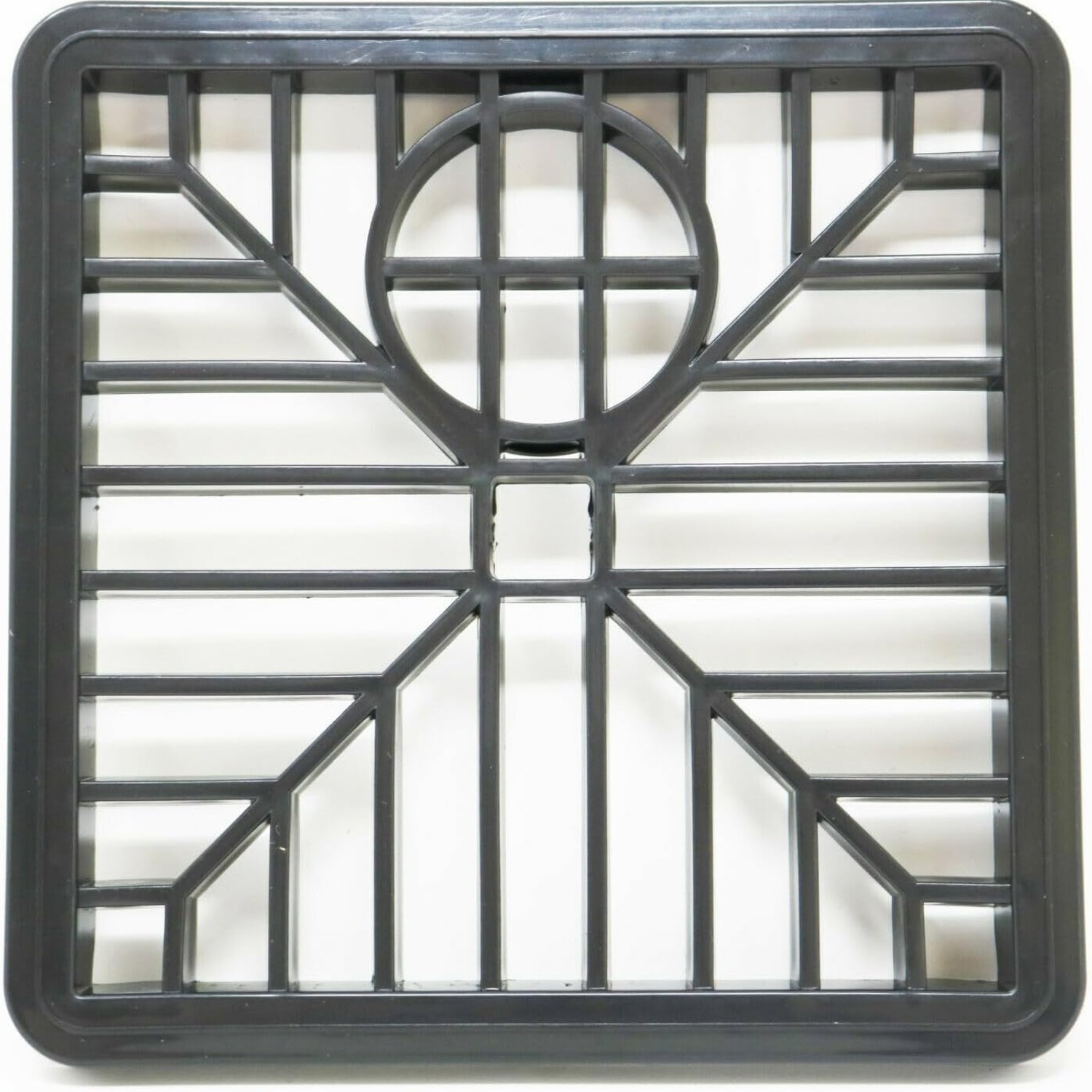
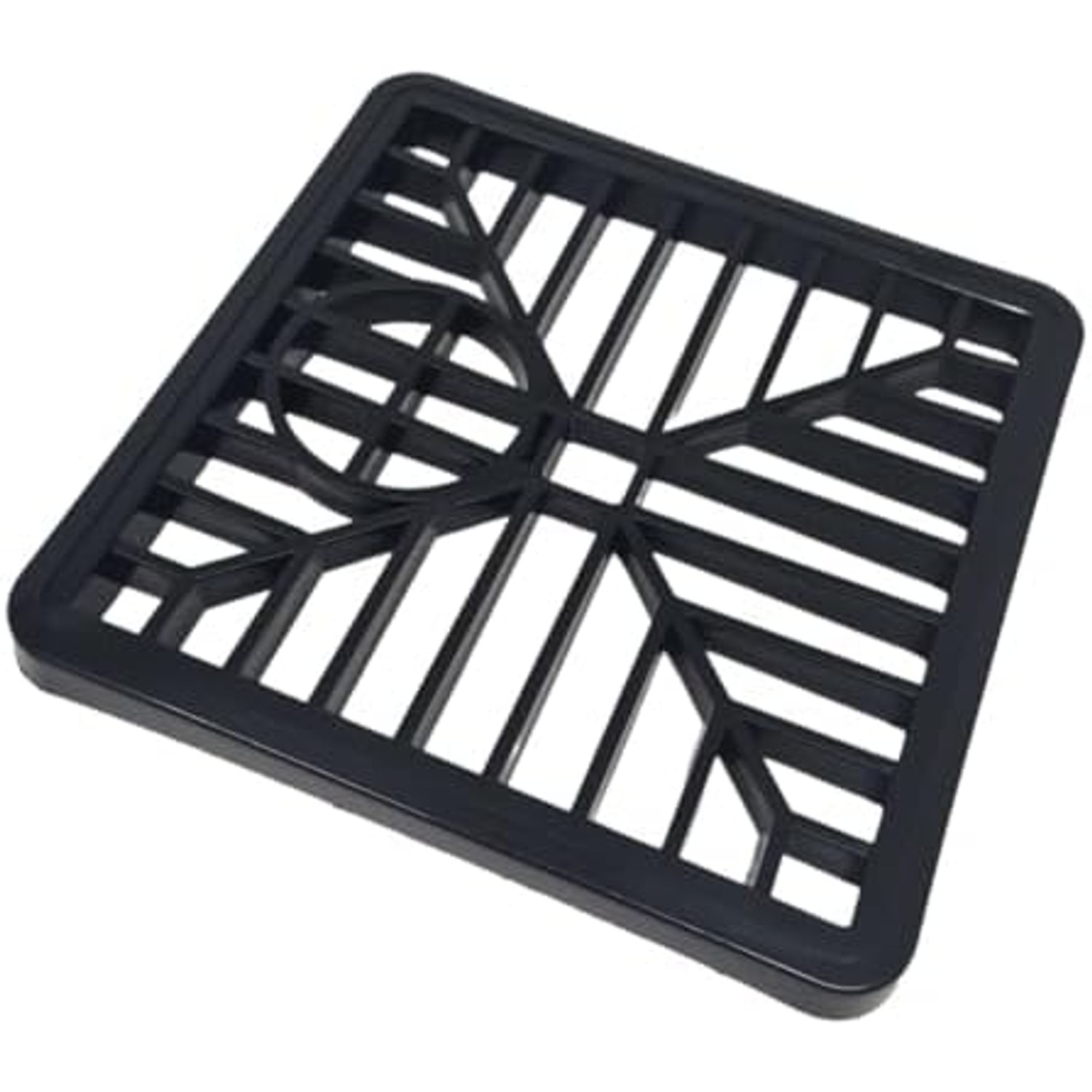
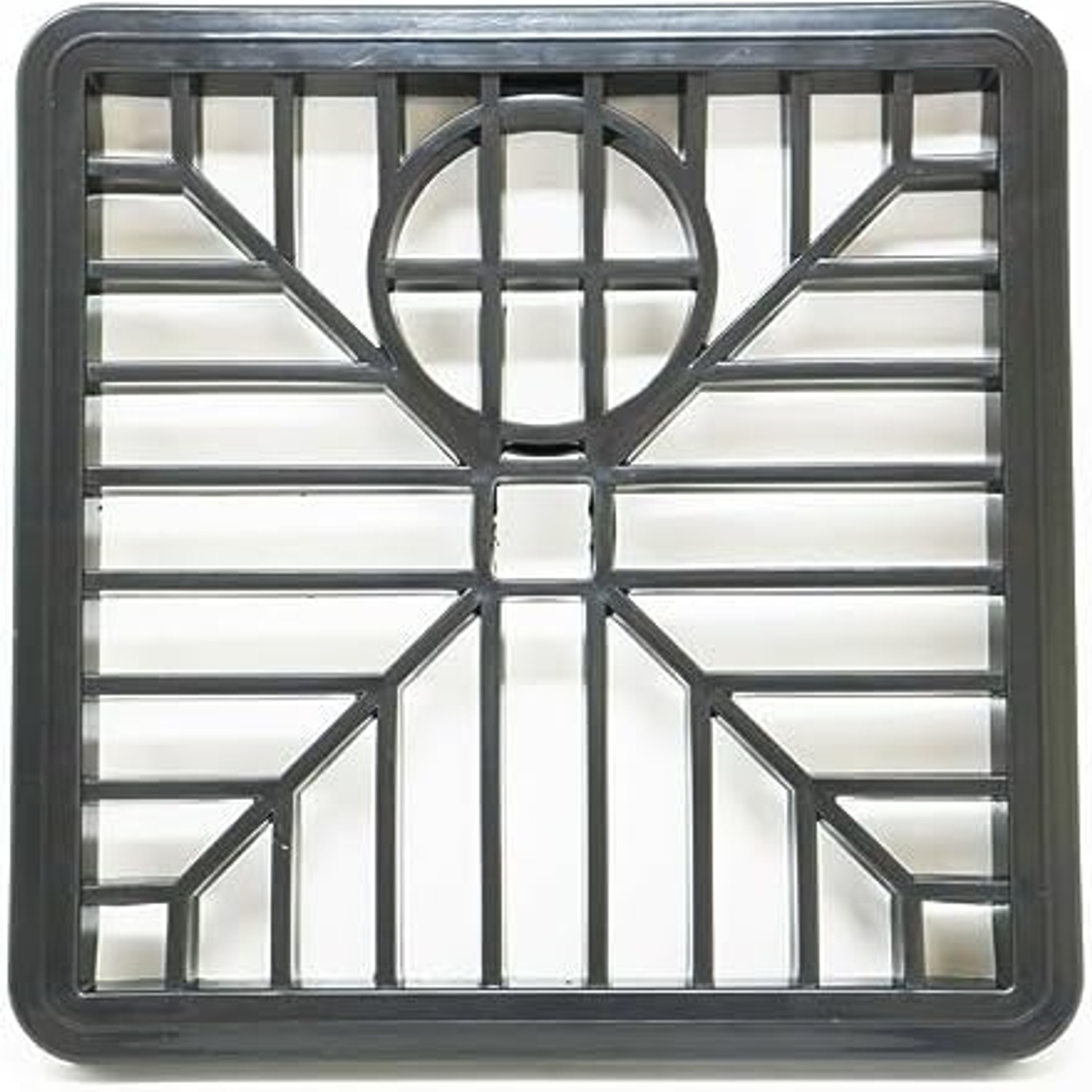
Square Gully Grid 150mm | PVC drain cover for hoppers | outdoor drain grate lid

150mm Square Gully Grid Drain Cover

£8.99 £10.99 Save £2
  • Open Grid Face
  • Fits 150mm Hoppers
  • Rigid PVC Build
  • Lifts Out To Clean

Price: £8.99 £10.99

  • Free tracked delivery across the UK on orders £100+, otherwise a flat £12
  • Pay by card or PayPal, handled by the payment provider
  • 14 days to change your mind, plus your statutory rights
Product specifications
Product TypeSquare gully grid / drain cover
Fits Opening150mm x 150mm square drain hopper
MaterialPVC
Package Dimensions14.9 x 14.8 x 1.9 cm
Package Weight60 g
DesignSquare with rounded corners, open grid face
Fixings RequiredNone, drop-in fit
ManufacturerfiXte
Quantity1 grid
Shipping & returns

Tracked delivery anywhere in the UK, sent from UK stock. It is free on orders of £100 or more, and a flat £12 below that. Most orders arrive within 3 to 6 working days.

Under the Consumer Contracts Regulations 2013 you have 14 days from delivery to cancel for any reason, and a further 14 days to send it back. You may handle the item as you would in a shop. We refund the price you paid, including standard delivery, though we may reduce the refund if it has been used beyond that. You cover the cost of returning it unless the item is faulty.

If it arrives faulty, damaged or not as described, we put it right at no cost to you under the Consumer Rights Act 2015, return postage included.

Shipping details · Refunds and returns

Open Grid FaceWater runs through quickly while leaves and twigs stay on top.
Fits 150mm HoppersSized to drop into a standard square gully opening.
Rigid PVC BuildPlastic that shrugs off rain, frost and summer sun.
Lifts Out To CleanNo fixings needed, so clearing the gully takes seconds.

Keep leaves and grit out of the gully with a square gully grid 150mm that drops straight into a standard hopper.

Moulded in rigid PVC with rounded corners and an open grid face, it sits flat over the opening, lets water through fast, and lifts out in a second for cleaning.

A square gully grid 150mm that sits over the mouth of a standard drain hopper and catches debris before it ever reaches the pipe.

The open grid pattern keeps rainwater moving at full speed, so heavy downpours drain away instead of pooling on the path.

Moulded from rigid PVC, it stays put through wet winters and hot afternoons without rusting or rotting.

Rounded corners help it settle neatly into the hopper rim rather than catching and sitting proud.

It lifts straight out with your fingers or a screwdriver tip, which makes the usual autumn clear-out a two minute job.

150mm Square Gully Grid Drain Cover

Most blocked drains do not start as a blockage. They start as a handful of leaves that slip through an open gully, settle in the trap and slowly collect everything else that comes down after them. A square gully grid 150mm stops that chain of events at the first step. It covers the mouth of the hopper so the solid stuff stays on the surface where you can see it and sweep it away.

150mm Square Gully Grid Drain Cover

This grid is built for the common 150mm square hopper found on house walls, patios and garage aprons across a lot of older and newer properties. Because it is designed to sit into that opening, the actual grid measures slightly under the nominal 150mm so it drops in rather than perching on top. The rounded corners help it find its seat without fighting the rim.

150mm Square Gully Grid Drain Cover

The material is rigid PVC. That matters outdoors, where a drain cover spends its whole life being rained on, frozen, baked and splashed with whatever comes off the roof. Plastic does not rust the way a tired steel grate does, and it will not swell or soften like timber. It stays light, which is part of the appeal, because a cover you can lift one-handed is a cover you will actually bother to clean.

150mm Square Gully Grid Drain Cover

Fitting takes no tools and no fixings. You clear out whatever is sitting in the gully, drop the grid into place and check it sits flat. From then on, maintenance is a quick glance after wind or heavy rain and a lift-and-rinse when the openings start to clog. In autumn that might be weekly. In a quiet summer month you may never touch it.

It is a small part with a job out of proportion to its price. Clearing a properly blocked gully means gloves, rods and often a wet sleeve, and a rodded drain is a much bigger bill than a plastic grid. Keeping the opening covered is the cheap end of that problem.

Not sure yet? That is fine.

A drain part has to fit the drain you have, and you cannot always judge that from a photograph. Under the Consumer Contracts Regulations 2013 you have 14 days from delivery to cancel for any reason, and a further 14 days to send it back. You can handle it as you would in a shop to check the fit. We refund the price you paid, including standard delivery, though we may reduce the refund if the item has been used beyond that.

If it turns up faulty, damaged or not as described, that is on us. The Consumer Rights Act 2015 covers you, and we pay the return postage. Read the full detail on our refunds and returns page, or ask us anything before you order.

Frequently Asked Questions

What exactly is a gully grid?

It is the flat grated cover that sits over the mouth of an outdoor drain, usually at the base of a downpipe or beside a wall. Water passes through the openings while leaves and debris stay on top. Without one, everything that lands near the drain goes straight into the pipe.

What size drain does this fit?

It is made for a 150mm x 150mm square drain hopper, which is the most common size on domestic rainwater gullies. The grid itself is slightly under that measurement so it drops inside the opening instead of sitting proud of the rim. Measure the inside of your hopper before ordering to be sure.

How do I measure my drain opening?

Measure across the inside of the hopper from wall to wall, not across the outer frame or surrounding concrete. Do it in both directions, since older hoppers can be slightly out of square. If both readings are close to 150mm, this 150mm drain cover should suit.

What is it made from?

Rigid PVC. The product details list the material type as PVC, which keeps the grid light but firm enough to hold its shape in the opening.

Will plastic hold up outdoors?

PVC is widely used for outdoor drainage parts because it does not rust and does not absorb water. It handles rain, frost and sun without rotting. It is not designed to carry vehicle weight, so keep it away from driveways where cars park over the gully.

Does it need screws or clips?

No. It is a drop-in grid, so you simply lower it into the hopper opening. That is deliberate, because a cover you can lift out in a second is far more likely to get cleaned regularly.

Could it blow away in strong wind?

It sits down inside the hopper rather than resting on a flat surface, which helps it stay put. On a very exposed site you can weigh it with a brick for a storm or wedge it slightly. Check it after high winds as part of your normal outdoor round.

How many grids come in the pack?

One grid is supplied. If you have several gullies around the house, order one per opening so each drain is covered.

What does it actually stop?

Leaves, twigs, moss, blossom, roof grit and the general mess that washes down a downpipe. Fine silt and small particles will still pass through the openings, which is normal and keeps the water flowing. It is a best leaf guard for drains at the surface level, not a filter.

Will it slow the water down?

Not noticeably when it is clear. The openings are sized to let a heavy downpour through. Water only backs up when the grid itself is clogged with leaves, which is the signal to lift and rinse it.

What happens if it gets blocked?

Water pools on the surface around the drain instead of dropping away. Lift the grid, scrape off the debris, rinse it and drop it back in. That takes a minute and is a lot easier than clearing a blocked trap.

How often should I clean it?

It depends on what is overhead. Under a deciduous tree in autumn you may be clearing it weekly. On an open patio with nothing nearby, a few checks a year is plenty.

How do I clean it properly?

Lift it out, knock off the loose material, then rinse with a hose. A stiff brush and warm soapy water will shift moss and algae from the openings. Rinse away any detergent before refitting.

Can I use a pressure washer on it?

A light pass is usually fine, but hold the lance back from the surface. Blasting rigid plastic from very close range can mark it. A brush and a hose does the job without the risk.

Can I paint it?

You can, with a paint suited to plastic and outdoor use, though it is not necessary. Keep paint out of the openings so you do not narrow them and reduce flow.

Does it stop smells from the drain?

No. A grid is an open cover, so air passes through freely. Drain odours are usually a dry or damaged trap further down, and that needs a plumber rather than a cover.

Will it keep rats or mice out?

It is not designed as vermin proofing. The openings are sized for water flow and leaf capture. If you have a pest concern around drainage, speak to a pest control specialist about a proper barrier.

Can I walk on it?

Light foot traffic over a seated grid is generally fine, but it is a plastic cover rather than a load-rated grating. Avoid standing on it with full weight, and never drive over it.

Is it suitable for a driveway?

Not where vehicles pass over the drain. For driveways you want a load-rated grating designed for wheel loads. This is better suited to paths, patios, side alleys and the base of a downpipe.

Can I use it indoors?

It is intended as an outdoor drain grate lid, but there is nothing stopping you using it over a matching opening in a garage, shed or utility area as long as the size fits and nothing heavy rolls over it.

What if my hopper is round, not square?

This grid will not seat correctly in a round opening. Look for a circular grate sized to your diameter instead. A grid that does not seat properly can tip and let debris straight past.

My old metal grate has rusted away. Can this replace it?

Yes, as long as the opening is a 150mm square hopper. A plastic replacement drain grate is a common swap for a corroded steel one because it will not rust again.

Does it come in different colours?

Colour is not specified by the maker. Check the product images for the version supplied.

How heavy is it?

The listed package weight is 60 g, so it is very light. That makes it easy to lift one-handed but also means it benefits from sitting down inside the hopper rather than balancing on top.

What is in the box?

One square gully grid. No fixings, tools or instructions are needed, because it is a straightforward drop-in part.

Is this a good buy for a rental property?

It is a sensible, cheap bit of preventative maintenance. Keeping surface debris out of the gully reduces the chance of a tenant calling about a flooded path during a downpour.

How fast is delivery?

Delivery times vary by destination and are shown at checkout. The grid is small and light, so it ships easily. You will get tracking details once the order is dispatched.

Can I order several at once?

Yes. Most homes have more than one gully, and it is common to buy one for each downpipe and patio drain. Add the quantity you need to the basket.

Would this make a sensible gift?

It is a practical item rather than a present, though it fits well in a bundle of garden or home maintenance bits for someone who has just moved into an older property.

What if it does not fit or is not right?

Measure the hopper opening again first, since a small mismatch is the usual cause. If it genuinely does not suit, contact us within the returns window with your order number and we will sort out a return or an exchange. Please keep it clean and unused if you think you may send it back.

Choosing a Square Gully Grid, A Practical Buyer's Guide

6 min read EzyDrains Company

The small part that stops a big mess

A blocked drain almost never announces itself. One autumn afternoon the leaves come off the tree out front, a few of them wash down the path, and they drop into an open gully because nothing is covering it. They settle in the trap. Over the next few weeks, grit from the roof, moss off the render and the odd crisp packet join them. By the time you notice, water is sitting on the path after every shower and you are standing outside with a pair of gloves and a bent coat hanger.

A square gully grid 150mm is the cheap, boring fix that stops this happening in the first place. It sits over the mouth of the drain and holds the solid stuff on the surface, where you can see it and sweep it up, while rainwater carries on through. That is the whole idea. There is nothing clever going on, but the difference between a covered gully and an open one over five years is substantial.

How a gully grid actually works

Rainwater drainage around a house tends to end at a gully, a small hopper set into the ground at the base of a downpipe or beside a wall. Water from the roof and the surrounding paving runs into the hopper, through a trap, and into the underground pipe. The trap holds a plug of water that stops drain gases coming back up.

The weak point is the top. An open hopper takes everything, not just water. A grid covers it with a pattern of openings big enough to pass a heavy downpour but too small for leaves, twigs and loose grit. Debris collects on top instead of inside, so when you want to clear it you are brushing a flat surface rather than fishing around in a trap full of sludge.

This one is designed to fit a 150mm by 150mm square hopper, which is the common domestic size. Because it is meant to sit inside the opening rather than on top, the grid itself measures slightly under that figure. That is intentional. A grid that is exactly 150mm would not go in.

Who needs one

If you have a downpipe that ends in a square drain at ground level, you are the obvious candidate. The same goes for patio drains, side alleys, garage aprons and the little gully next to the back door that collects runoff from the kitchen roof.

There are a few situations where a cover earns its keep faster than usual. Overhanging trees are the big one, especially anything that drops in volume like sycamore, birch or lime. Gravel paths next to the drain are another, because loose stones migrate towards water. Older properties with original clay pipework also benefit, since those pipes have more joints and rougher internal surfaces for debris to catch on.

If your current grate has rusted to lace, a plastic replacement drain grate is the straightforward swap. Steel grates in constant contact with rainwater have a finite life. PVC does not have the same problem.

Why plastic rather than metal

The instinct is often that metal must be tougher. For a load-bearing grating in a driveway, that is true, and you should buy something rated for vehicle weight. For a path or patio gully, plastic has real advantages.

It will not rust. That is the main one. A PVC gully grate spends its life wet and does not care. It is also light, and that matters more than people expect. The reason grids do not get cleaned is that cleaning them is annoying. A 60 gram grid you can lift with two fingers removes the excuse entirely. A heavy cast grate rusted into its seat does not get lifted until there is a problem.

Plastic also will not stain the paving around it with rust runs, which anyone who has had an old metal grate on light-coloured stone will appreciate.

The trade-off is strength. This is not a load-rated part. Keep it to foot traffic and off anywhere a car parks or turns.

How to choose the right grid

Start with the tape measure. Measure the inside of the hopper opening, wall to wall, and do it in both directions. Old hoppers settle and can be slightly out of square, so if one reading is 150mm and the other is 147mm you want to know before you order rather than after.

Check the shape too. A square grid will not sit properly in a round opening. It will tip, leave gaps at the edges and let debris past, which defeats the point. If your gully is circular, buy a circular grate sized to the diameter.

Then look at depth. Most hoppers have a small rebate or ledge for the grid to rest on. If yours has been filled with concrete over the years, or the ledge has broken away, the grid may sit lower or higher than ideal. A small amount of movement is normal. A grid that rocks badly needs the seat tidying up first.

Finally, count your drains. People buy one, fit it, then realise there are three more gullies around the house. Walk the perimeter before you order.

Fitting it

There is not much to this. Clear out whatever is currently in the gully, which is usually the unpleasant part. Scoop the debris with a trowel into a bucket, not down the drain. Hose the hopper rim clean so the grid has a flat surface to sit on.

Lower the grid in and check it sits level. Press each corner in turn to see if it rocks. If it does, look for a lump of grit or old mortar under one edge. Once it sits flat, you are done. No tools, no fixings, no drilling.

Give it a quick test with a bucket of water or the hose. Water should disappear through the openings without pooling.

Keeping it working

The maintenance routine is short. After heavy wind or rain, glance at the drain. If there is a mat of leaves on the grid, lift it, tip the debris into the green bin and drop it back. Thirty seconds.

Two or three times a year, do a proper clean. Take the grid out, brush both faces with a stiff brush and warm soapy water, rinse it thoroughly and let any detergent wash away rather than going down the drain. While the grid is out, have a look inside the hopper. If there is silt building up, scoop it now while it is easy.

Moss and algae are the usual culprits for narrowing the openings on a shaded drain. A brush handles it. If you use any cleaning product, rinse well before refitting.

Autumn is when the work concentrates. Under a tree you may be clearing weekly for six weeks, then nothing until the following year. That is still far less effort than rodding a blocked pipe once.

A few things it will not do

Worth being straight about the limits. A grid will not stop smells. Drain odour comes from a dry or cracked trap and needs attention further down. It will not stop fine silt, because the openings have to stay open enough for water. It is not pest proofing and it is not rated for vehicles.

What it does do is keep the bulk of surface debris out of your drainage, and that is the thing that causes most domestic blockages.

The short version

If you have a 150mm square drain hopper sitting open, cover it. Measure the inside of the opening in both directions, check it is actually square, and drop a grid in. It takes a minute to fit, costs less than a takeaway and removes the most common cause of a blocked gully.

Clean it when it looks clogged, give it a proper scrub a couple of times a year, and keep cars off it. That is the entire job.

Browse the shop

Not sure which size you need?

Measure the inside of your drain hopper in both directions and match it to the grid, and if the numbers look borderline, get in touch before you order.

Ask us a question

Page summary

The 150mm Square Gully Grid is a drop-in PVC drain cover from fiXte, designed to fit a standard 150mm x 150mm square drain hopper. The actual grid is slightly smaller than the nominal size so it seats inside the opening rather than resting on top. It has a square shape with rounded corners and an open grid face that lets rainwater pass through while holding back leaves, twigs and larger debris. The package measures 14.9 x 14.8 x 1.9 cm and weighs 60 g, and one grid is supplied. No fixings are needed, so it lifts out by hand for cleaning. Colour, country of origin and product weight are not specified by the maker.