
The complete guide
How to Choose a Click Clack Basin Plug That Actually Seals
The small part that ruins a basin
A basin plug has one job. It holds water when you ask it to and lets it go when you are done. When it stops doing that, the whole basin feels broken. You fill it to shave or soak something and the level creeps down while you are not looking. Or the opposite happens and the stopper jams shut, leaving a ring of grey water sitting there.
Most of the time the plug itself is the problem, not the pipework. Seals perish, cheap plated caps flake, and plastic internals lose their spring after a few thousand presses. The good news is that this is one of the cheapest and easiest bathroom repairs you can do. You are swapping a cap and a bolt, not cutting into drainage.
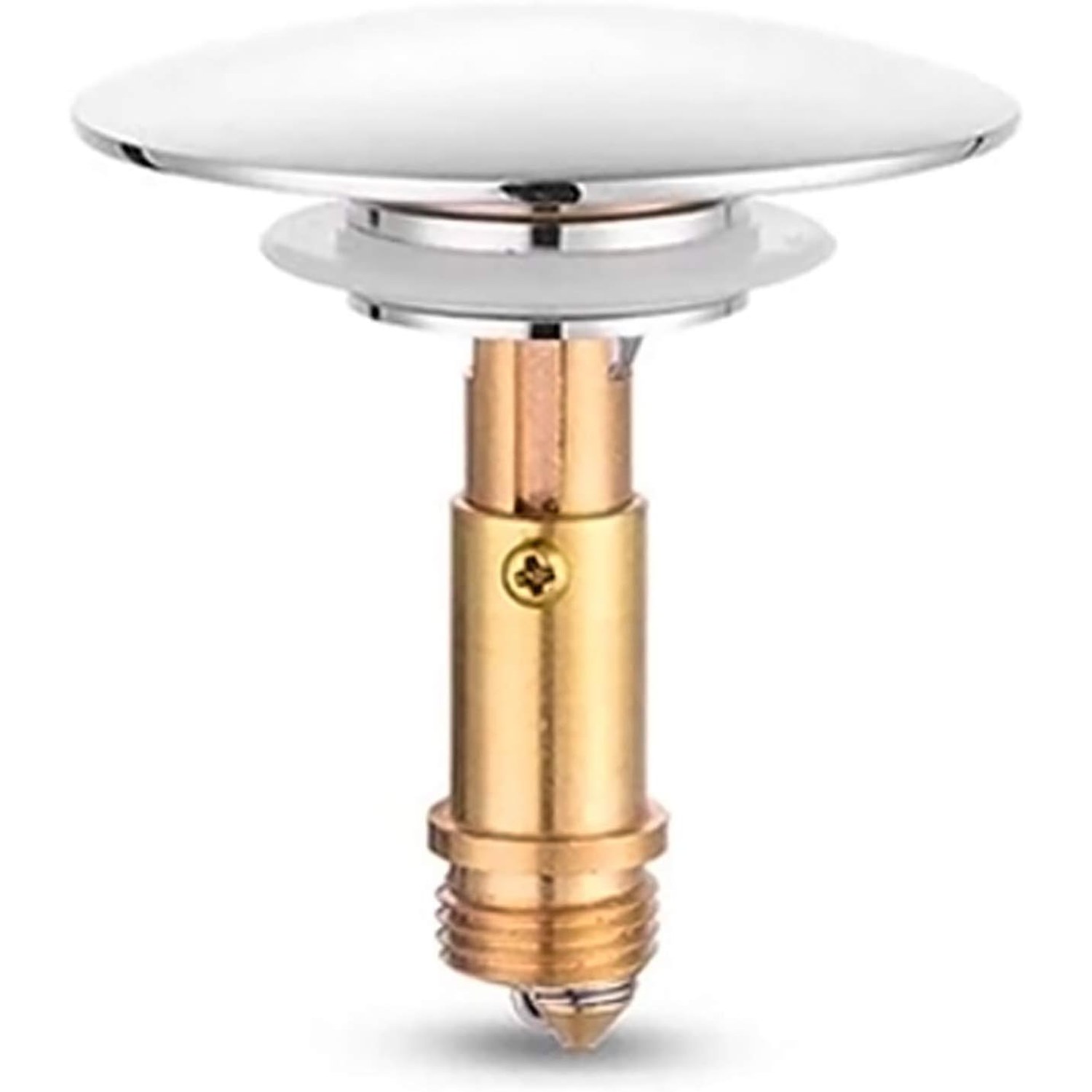
That is the case for a brass click clack basin plug. It takes the part that gets the most daily abuse and builds it from metal that does not mind being wet.
How a click clack plug works
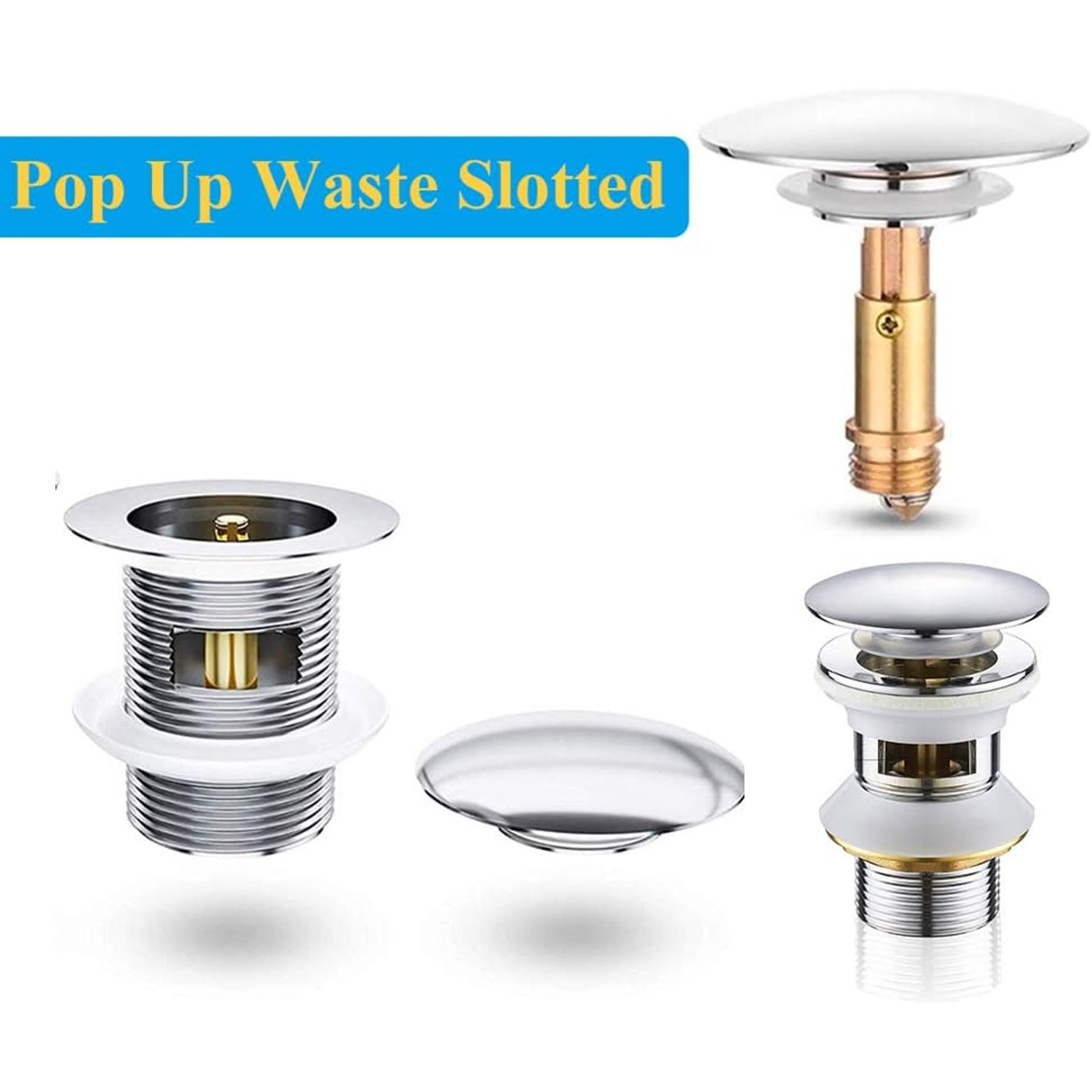
The name describes the sound. Press the cap and it clicks down into the closed position. Press again and it clacks back up. Inside the bolt there is a spring and a simple latch. Pushing down compresses the spring and catches the latch, holding the cap tight against the seal so water cannot pass. Pushing a second time releases the catch and the spring lifts the cap clear.
Compare that to the older styles. A chain and plug works, but the chain sits in the basin, collects grime and chips the ceramic over time. A lever-operated pop-up waste works too, except the linkage hides behind the tap where you cannot reach it, and when the rod corrodes or slips out of its clip the whole thing stops responding.
The push type has none of that. There is nothing behind the basin, nothing hanging in front of it, and no moving parts you need to access with a torch. You press a disc. That is the whole operation. It is also easy to use with soapy hands, which matters more than it sounds.
Why brass matters here
Bathroom hardware lives in a wet, warm, soapy environment, and that is hard on materials. Plastic goes brittle. Mild steel rusts. Brass is the traditional answer because it holds up to constant damp without corroding, and it keeps its machined thread crisp so the cap stays aligned on the bolt.
This plug uses brass along with stainless steel, with chrome plating on the visible cap. Chrome over brass is a long-standing combination in bathrooms. The brass gives the body strength, the plating gives the shine. Treated gently, that surface keeps looking clean for years. Treated with scouring pads and strong descaler, any plating will eventually dull, which is why the care advice matters.
The spring action is the other place where material quality shows. A good brass bolt presses down with a definite click and pops back cleanly every time. A weak one starts to feel vague after a few months, where you press and it sometimes latches and sometimes does not.
Checking the fit before you order
This is the step people skip, and it is the step that causes almost every return. Basin wastes are not standardised across brands. Before you buy any replacement basin stopper, spend two minutes with a tape measure.
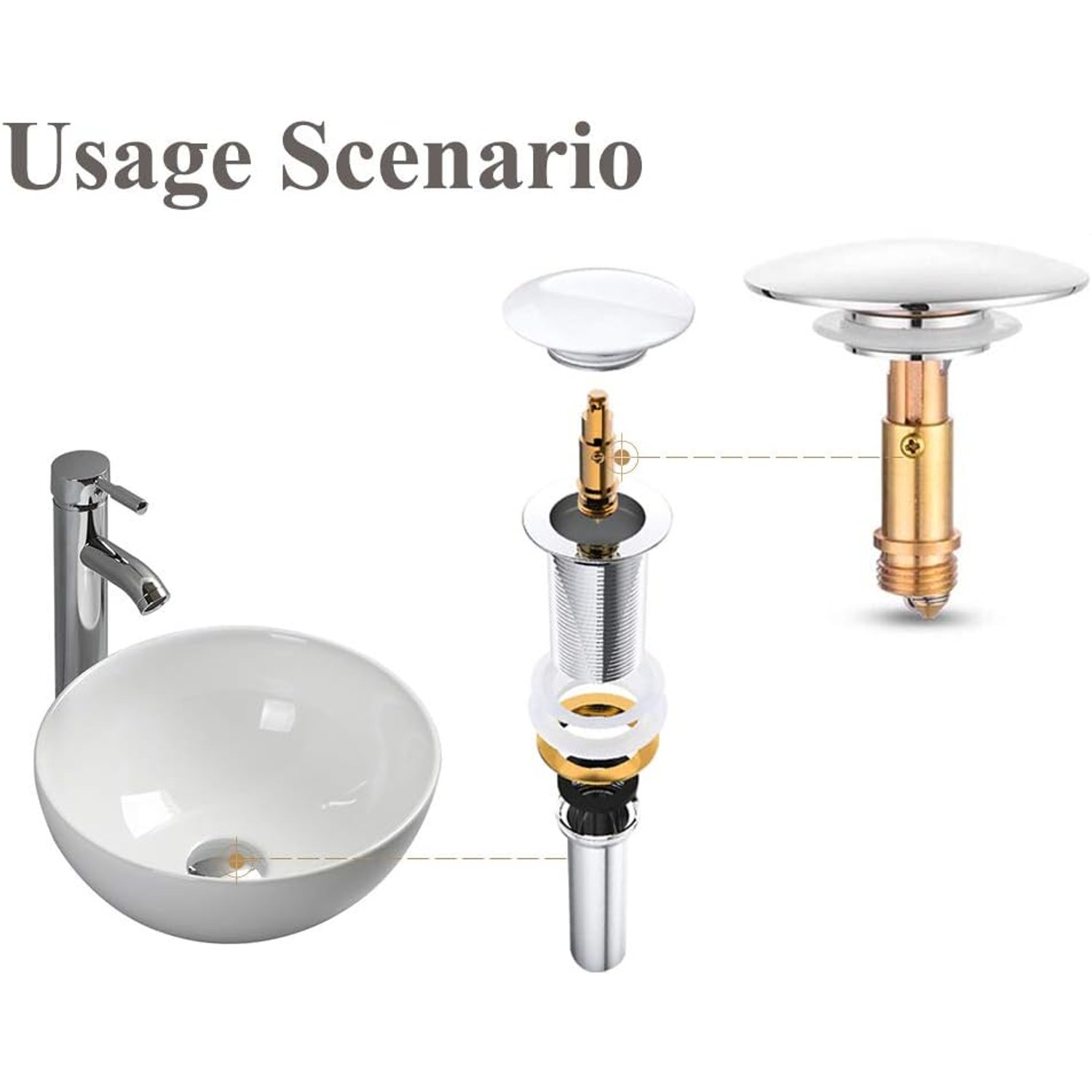
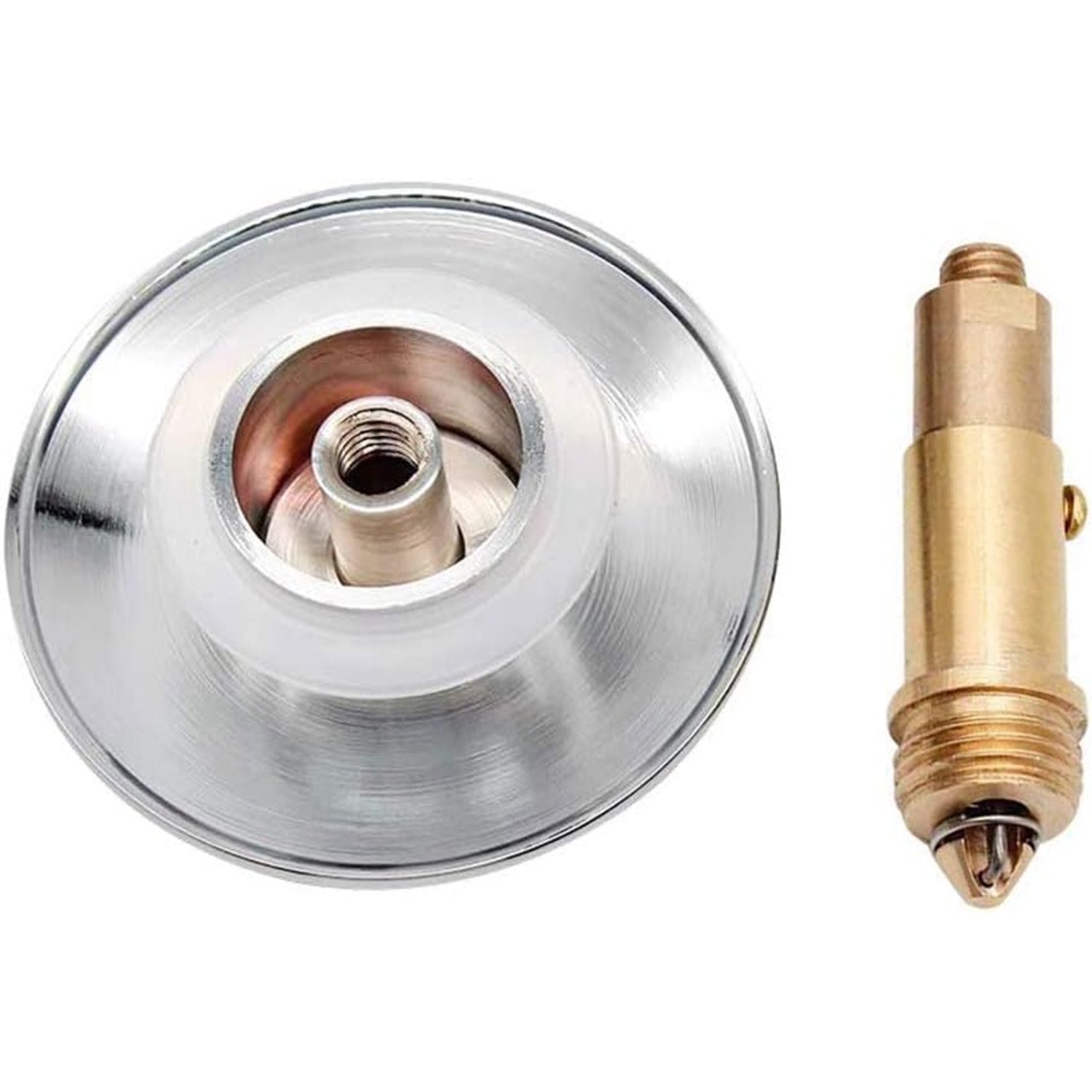
Look at the opening in your basin and measure across it. Then take out the existing stopper if you can and look at how it is held. A pop-up style waste has a threaded bolt that the cap screws onto. That is what this plug is designed to replace.
Two situations where it will not work are worth knowing. The first is a clamshell waste, which uses a hinged flap rather than a sprung bolt. The cap shape and the mechanism are different, so there is no sensible way to adapt one to the other. The second is a waste with a built-in strainer grid across the opening. The grid occupies the space the bolt needs to travel through, so the plug has nowhere to sit.
If you are unsure, photograph the basin opening from directly above and from the side with the stopper removed. That usually tells you everything you need.
Who this suits
Anyone with a tired bathroom basin and no appetite for calling a plumber. The fitting is well within the range of normal household jobs, and the worst case is that it does not match and you take it back out.
It suits landlords and letting agents particularly well, because a failing plug is a common tenant complaint and a cheap fix. It suits anyone doing a light bathroom refresh, where new taps look odd next to a scratched old stopper. And it suits households with long-haired occupants, because a stopper that lifts out in two pieces is much easier to keep clear than a fixed one.
It is less suitable if your waste is an unusual design, if you have a kitchen sink rather than a basin, or if you want a plug that can also strain food and debris. A push pop-up stopper seals and drains, it does not filter.
Fitting it without fuss
Start by removing the old stopper. On most pop-up wastes the cap unscrews from the bolt, though limescale can make this stiff. A cloth gives you grip without marking the chrome. If the whole assembly comes out together, that is fine too.
Clean the seat inside the waste. Soap film and hair build up in the groove where the seal sits, and that film is often the real reason the old plug stopped holding water. A cloth wrapped round a finger does the job.
Seat the new bolt, then screw the cap down onto it. Hand tight is right. Fill the basin a few centimetres and watch the level for a minute. If it holds, you are finished. If it creeps down slowly, take the cap off, check nothing is trapped under the seal and reseat it.
Keeping it working
Care for a chrome click clack plug is simple. Lift the cap out every few weeks, rinse both parts under the tap, and wipe away whatever has gathered around the seal. That one habit prevents the two problems people report most often, a slow drain and a stiff push action.
For the chrome itself, a soft damp cloth and a dry-off afterwards is all it needs. Hard water leaves spots if you let it dry on the surface. Avoid bleach, avoid acidic limescale removers, and keep abrasive pads away from it. If scale does build up, a longer soak with warm soapy water is kinder than anything aggressive.
If the action ever feels sticky, the fix is nearly always cleaning rather than replacement. Grit in the thread or soap in the spring area is enough to upset a mechanism this precise.
The short version
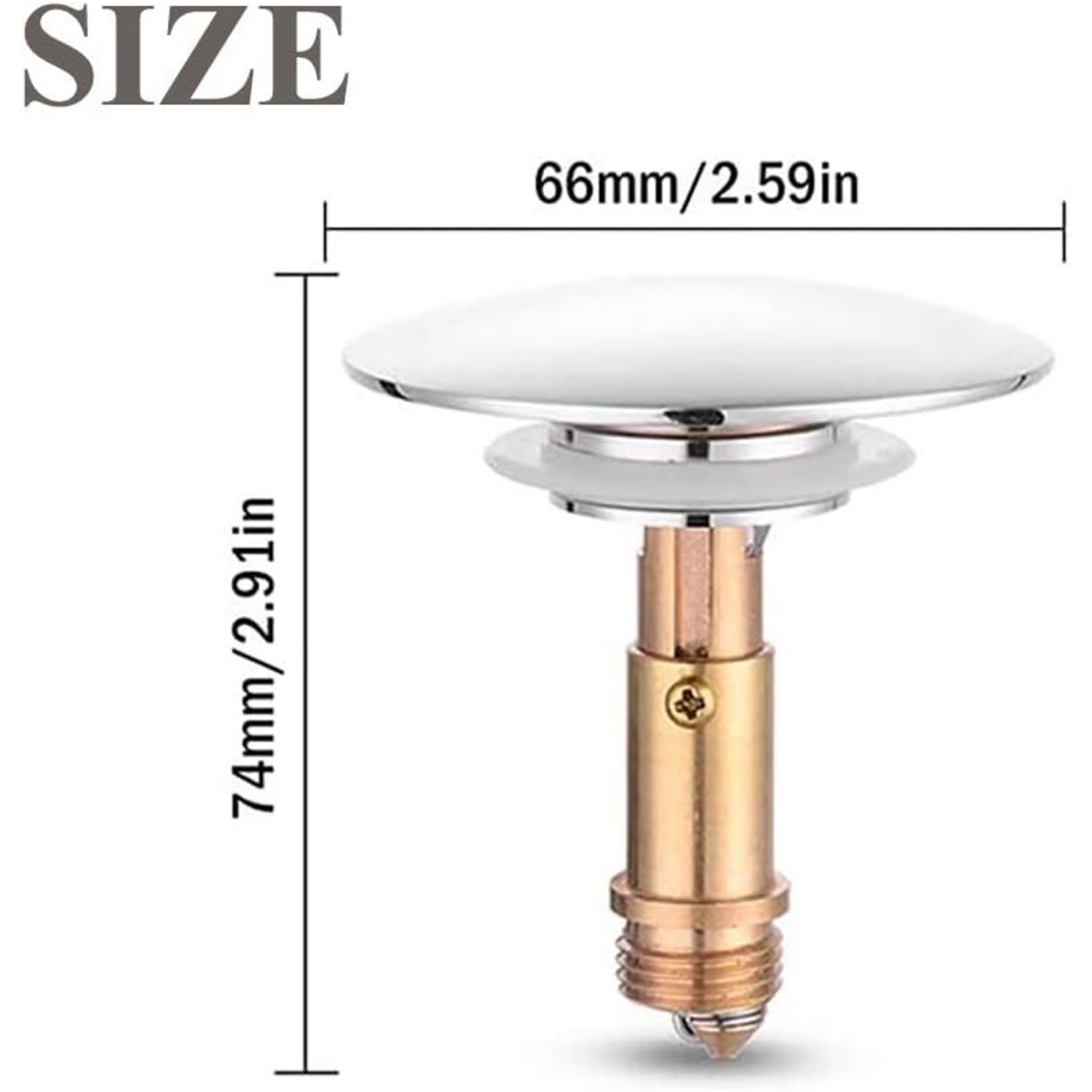
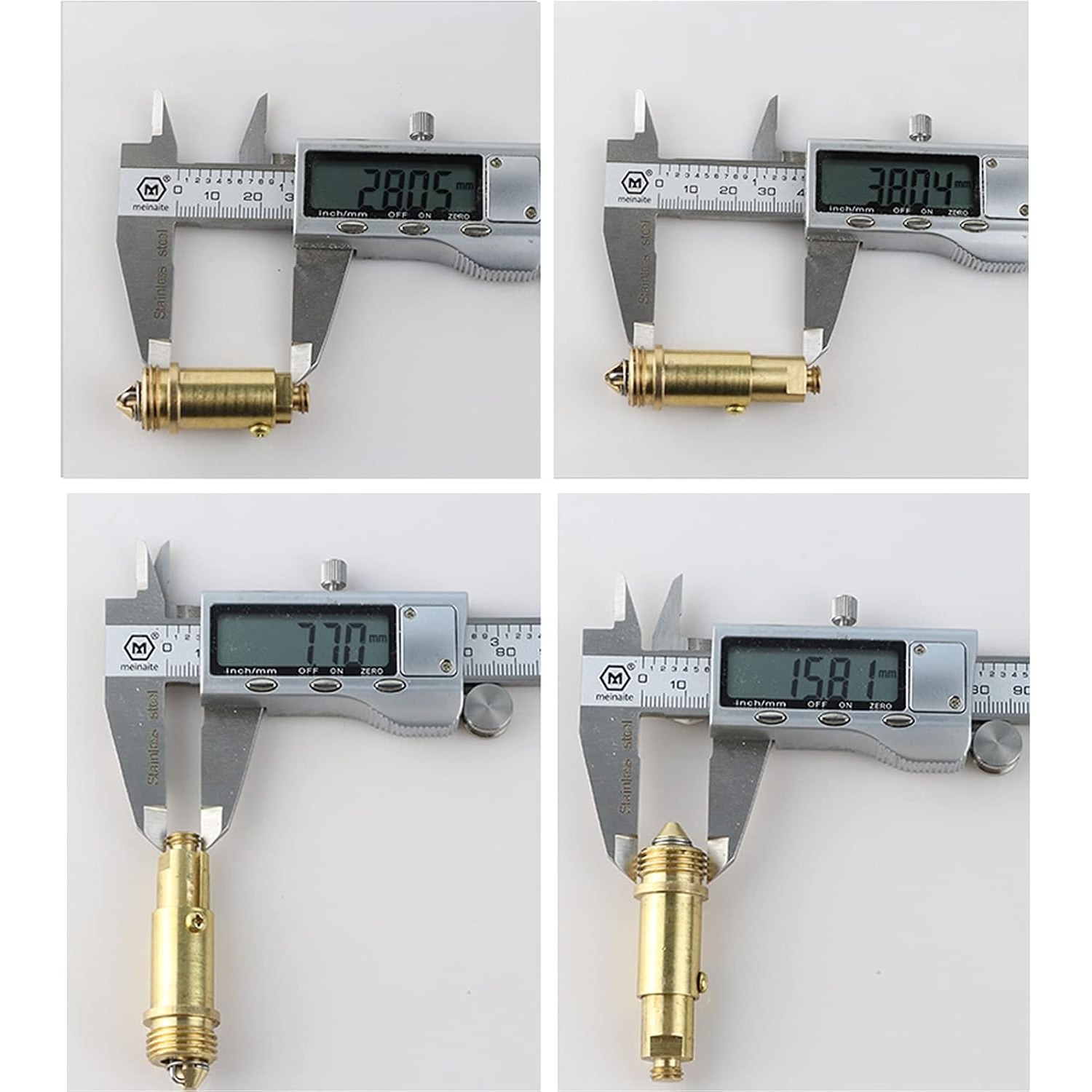
A click clack basin plug replaces a fussy chain or a hidden lever with a cap you press. This one is built from brass and stainless steel with a chrome finish, measures 7 cm wide by 4.4 cm high, and comes as a cap plus a pop-up bolt in a single pack.
Measure your basin opening first and confirm you have a standard pop-up waste, not a clamshell and not a waste with a strainer grid. If the sizes line up, fitting takes minutes and needs no tools.
Keep it clean, skip the harsh chemicals, and it will quietly do its job every day without you thinking about it again.