
The complete guide
How to Choose a Silicone Press Drain Plug That Actually Seals
The small annoyance that turns into a plumbing bill
Most blocked drains start as something harmless. A few strands of hair after a shave. A spoonful of rice that slipped off the plate. Soap that never quite dissolved. None of it looks like a problem on the day. Then six months later the water in the basin takes a minute to disappear, and a year after that someone is on their knees with a bucket under the trap.
The second annoyance is the plug itself. Old rubber stoppers go hard and leak. Pop-up wastes get gummed up and stop lifting. Chain plugs lose their chain. Half the sinks in a house end up with a mismatched plug borrowed from somewhere else, propped at an angle, slowly letting the water out while you are trying to soak a pan.
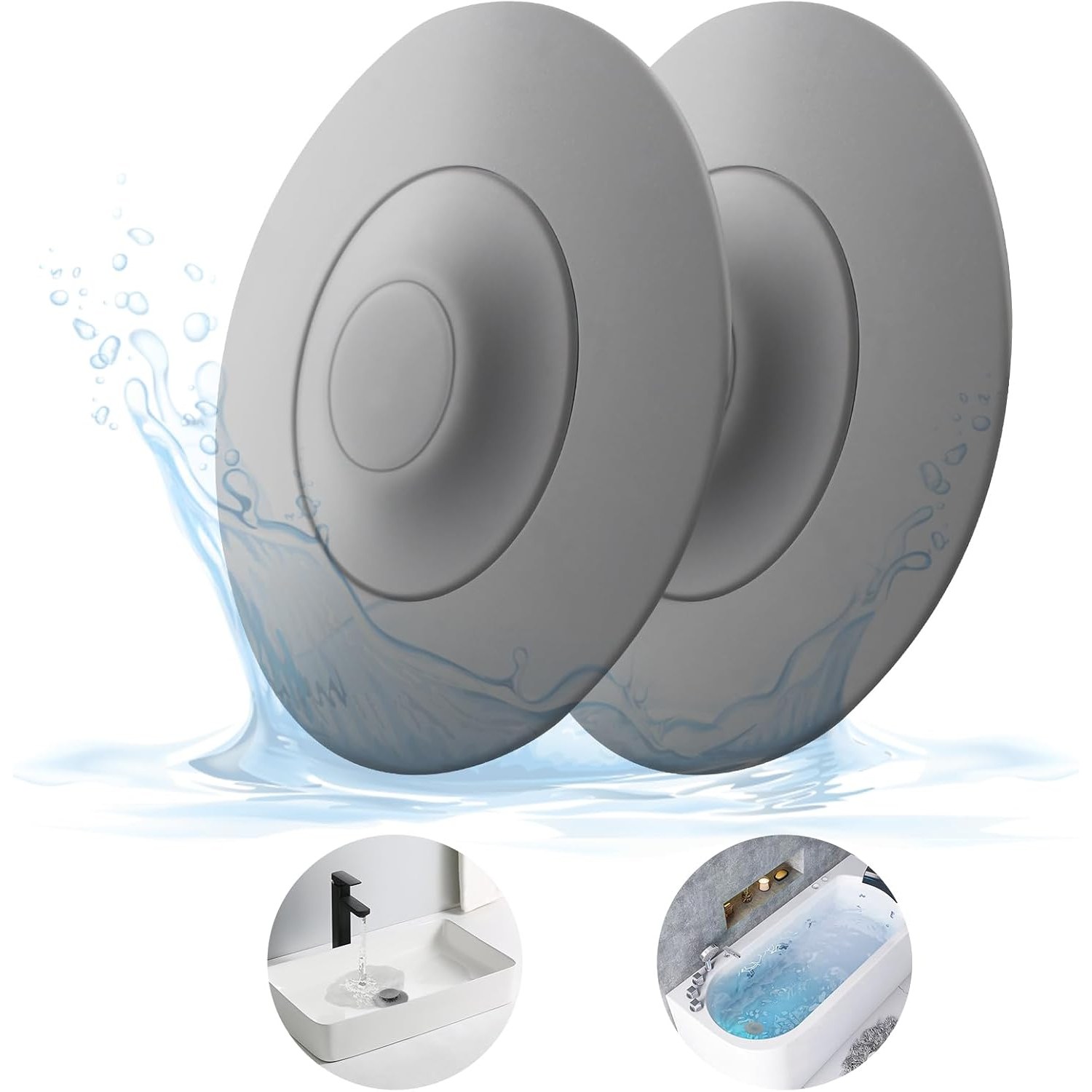
A silicone press drain plug deals with both of those in one object. Flat, it holds water. Pressed in the middle, it becomes a strainer. It does not fit inside the drain, so it is not fussy about the drain's shape.
How the press design works
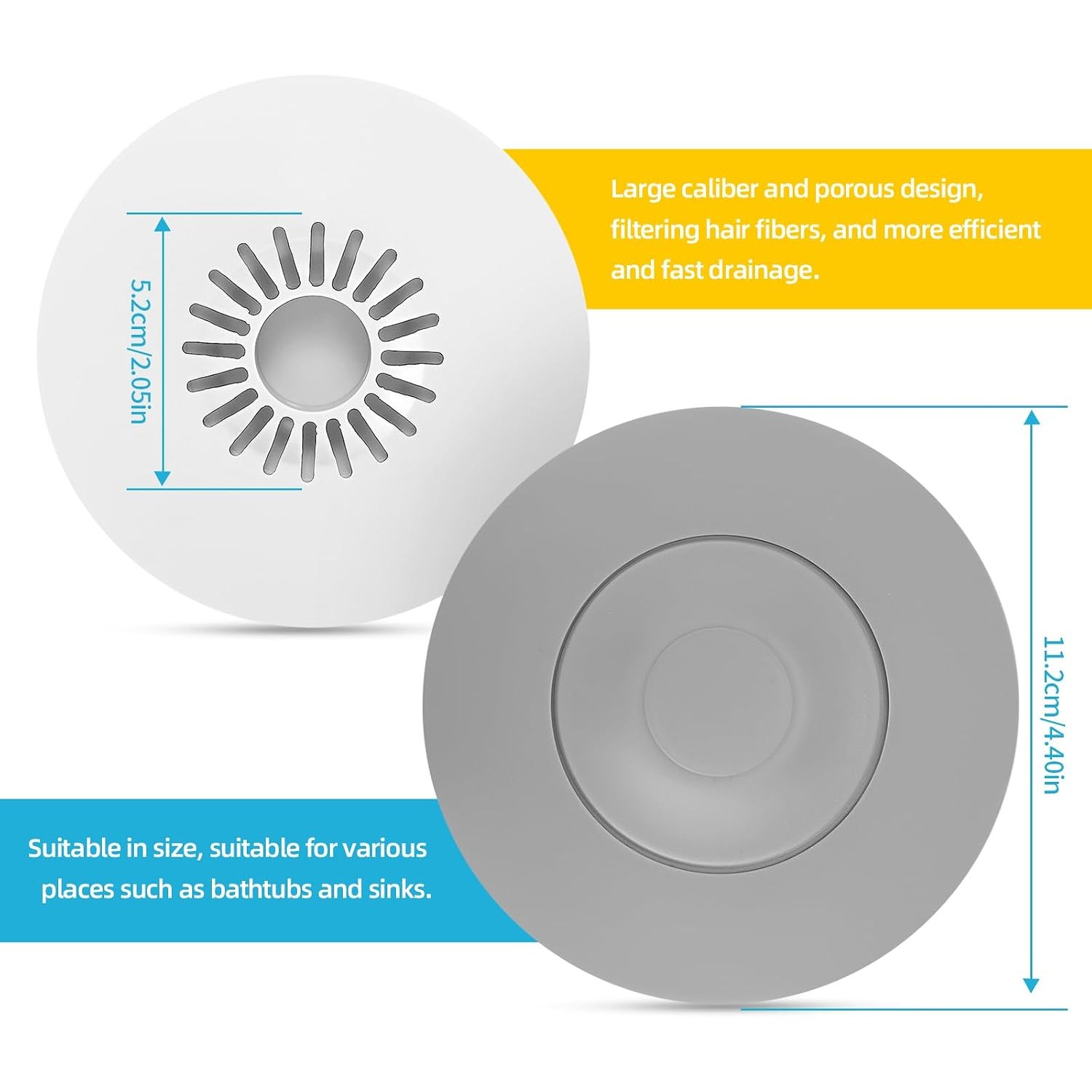
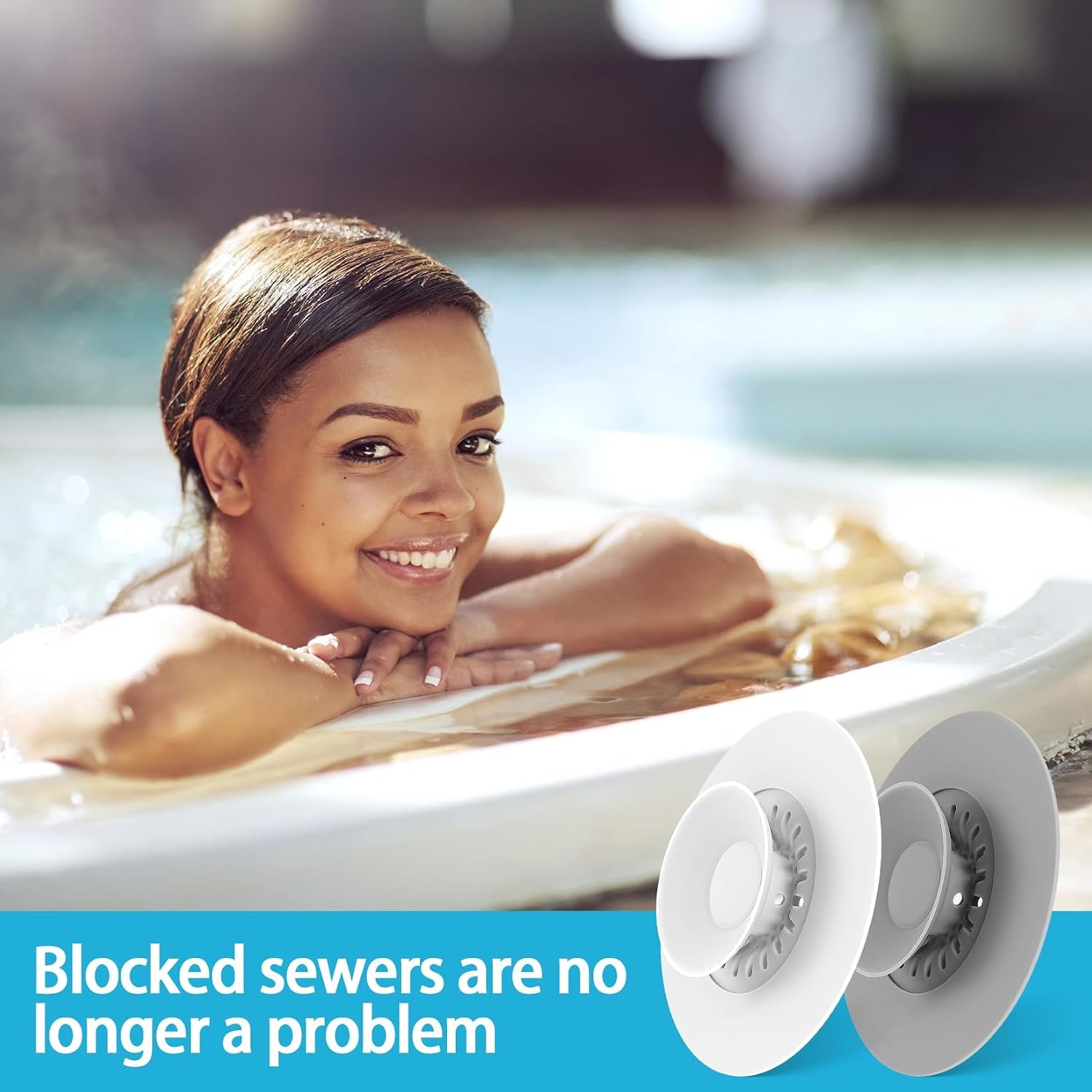
The disc is soft silicone, about 11.2 cm across and 1.8 cm high. You place it over the drain and press it down. Air escapes from underneath and the silicone rim makes continuous contact with the basin surface. That contact ring is the seal. There is no mechanism, no washer and nothing to wear out except the rim itself.
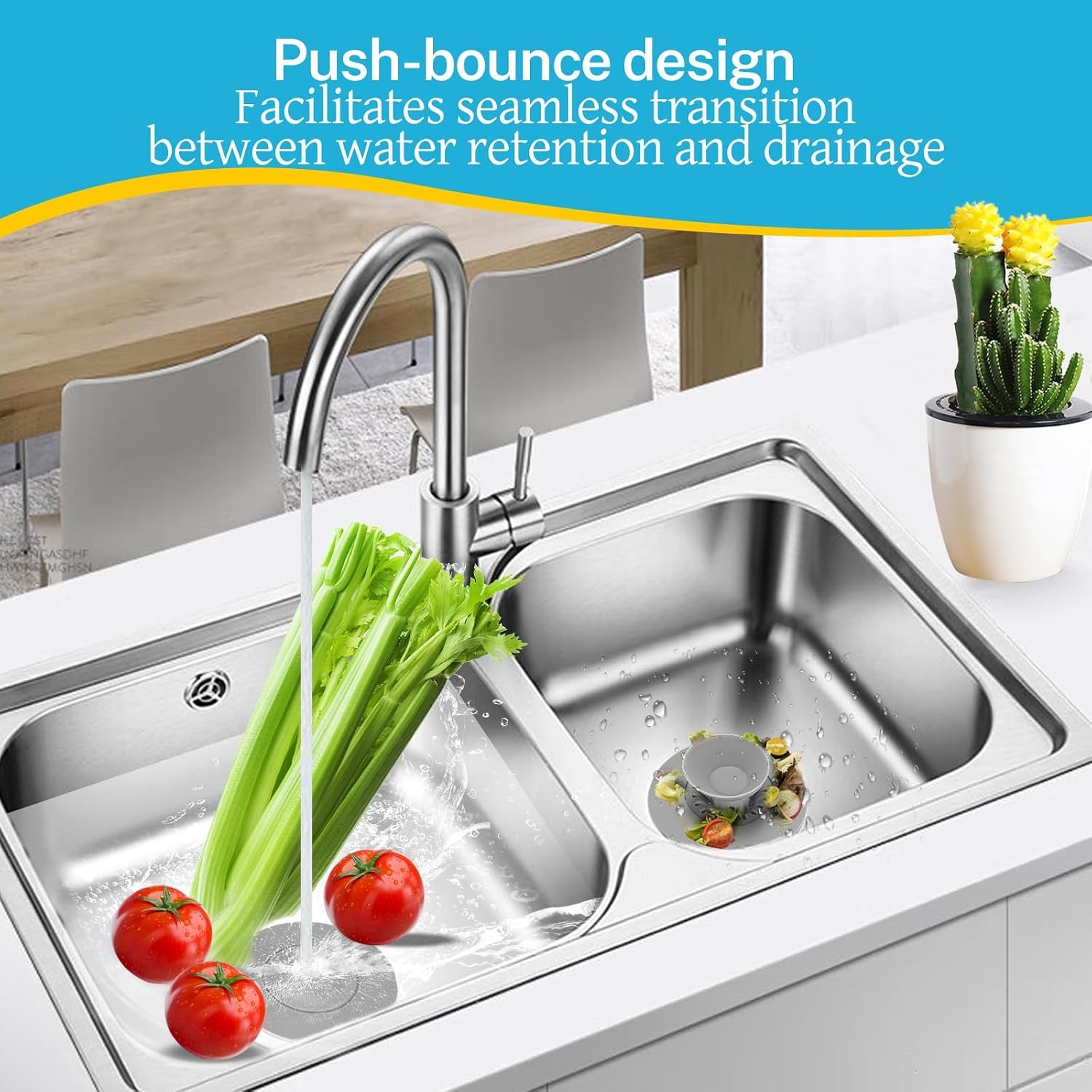
In the middle of the disc there is a filter grid. Press the centre and the grid lifts up out of the body of the plug. Now water has a route through, but anything bigger than the grid openings stays on top. That is the whole switch. One press to catch, lay it flat to seal.
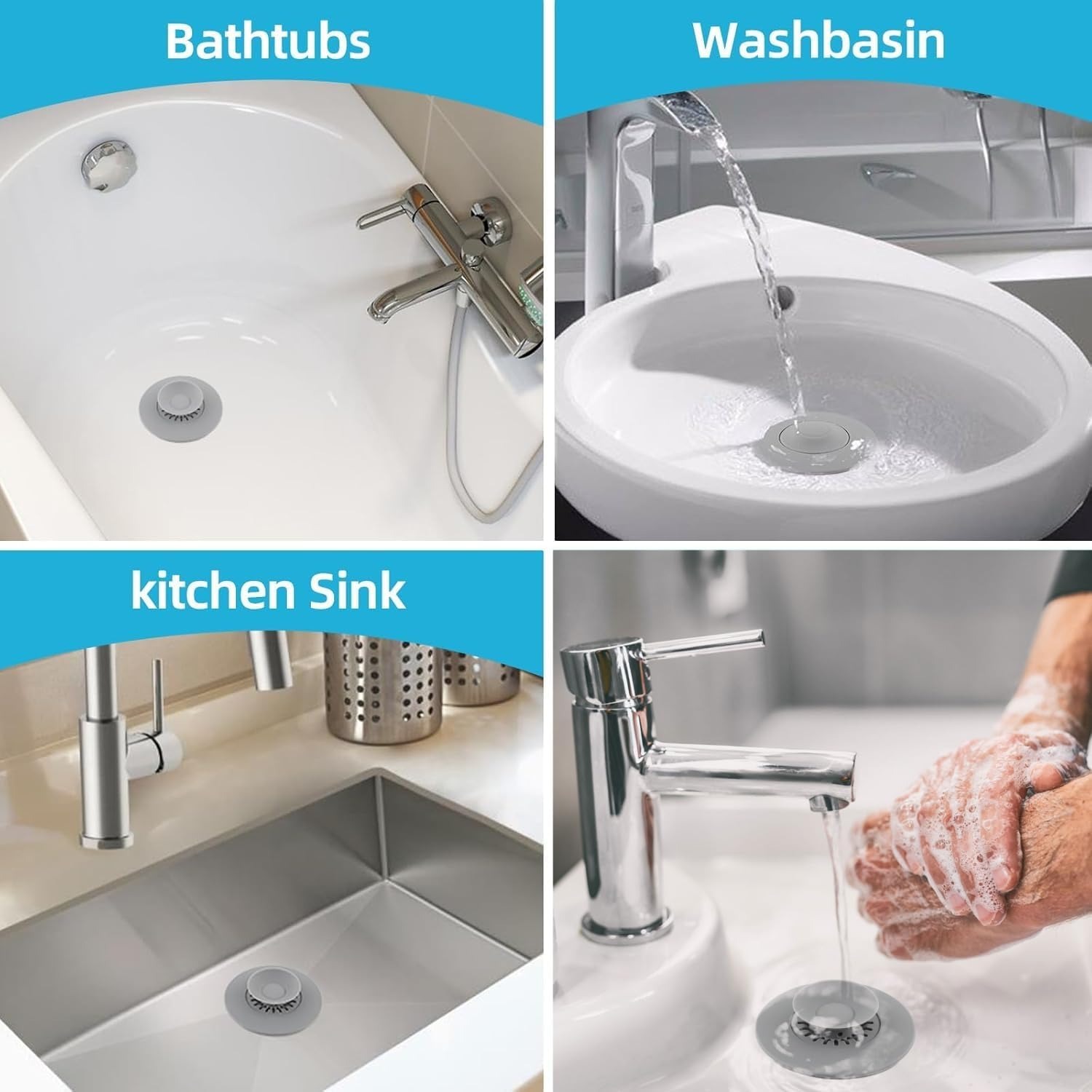
It matters that the plug sits on the surface rather than inside the hole. Drain openings vary a lot between a basin, a bath and a kitchen sink, and they vary between brands too. A stopper that has to wedge inside has to match a diameter. A disc that rests on top only needs a flat ring of smooth material around the hole, which almost every sink has.
Who gets the most out of it
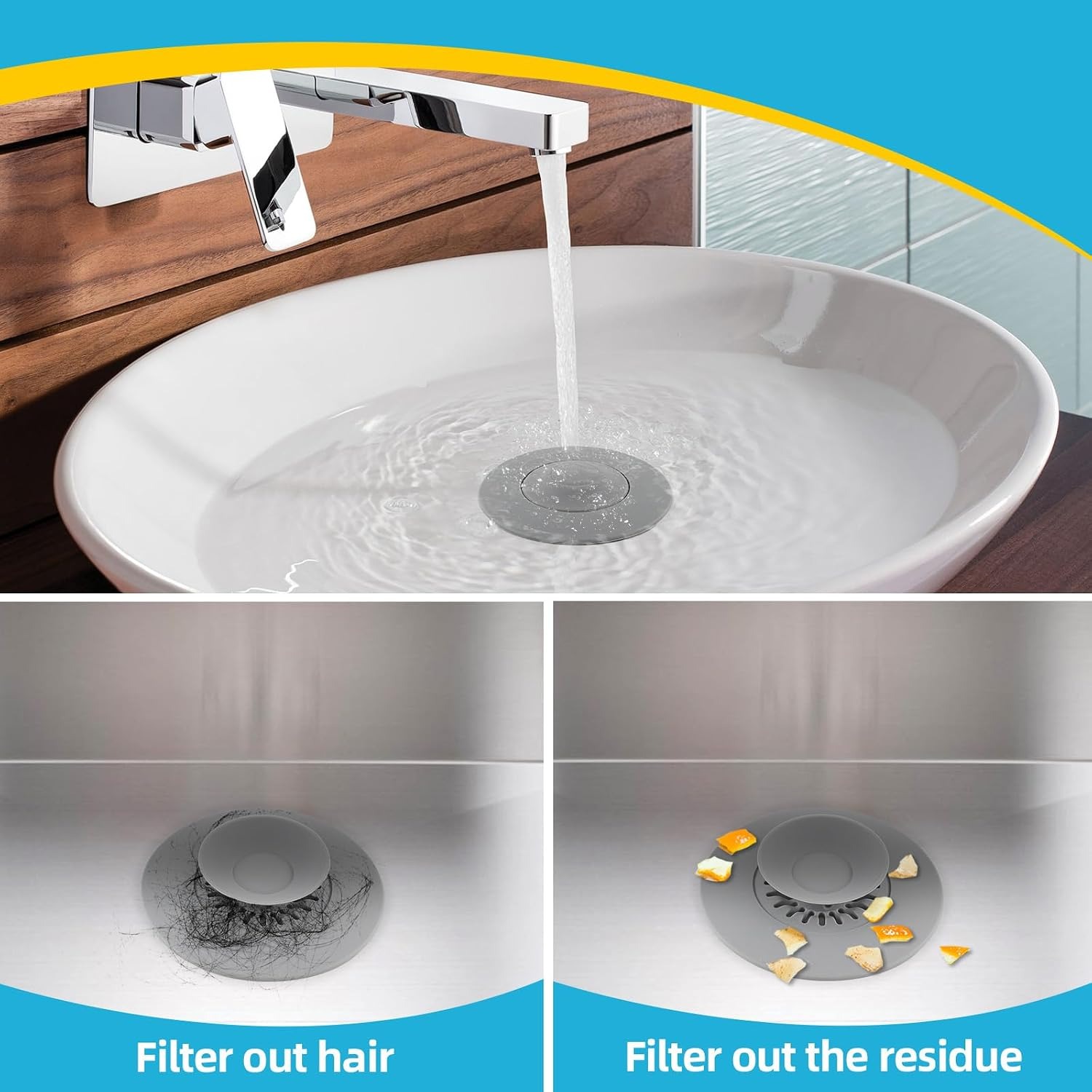
Anyone who shares a bathroom with long hair. The filter grid sits in plain view, so you see what it has caught and lift it out before you leave the room. That single habit removes most of the material that would otherwise work its way into the trap.
Kitchens benefit for the same reason with different debris. Rice, tea leaves, coffee grounds and bits of vegetable peel all collect on the grid instead of heading down the pipe. It is not a replacement for scraping plates into the bin, but it catches the fraction that always escapes.
Renters like it because nothing is fitted. There is no drilling, no adhesive and no change to the plumbing. When you move out, you pick it up and take it with you.
Caravans, holiday lets and student houses are another good fit. These are exactly the places where the original plug went missing years ago, and a universal bath and sink plug that does not need to match the fitting solves it without a trip to a plumbing merchant.
Getting a good seal first time
Three things decide whether a flat plug holds water, and all three are easy.
The surface matters most. Glazed ceramic and stainless steel are ideal. Both are smooth and non-porous, so the silicone makes full contact. Textured stone, worn enamel with chips, or anything with a raised lip right next to the drain will let air sneak under the edge.
Cleanliness is second. Grit, soap film and toothpaste residue all sit between the silicone and the basin and break the contact ring. A quick wipe of both the disc and the area around the drain before you use it fixes almost every seal complaint.
Technique is third, and it takes a second. Set the disc down centred over the opening, then press down on it so the air underneath is forced out sideways. Do not just drop it and run the tap. When you want it out again, lift from one edge rather than pulling straight up, which breaks the suction much more easily.
Sizing it up before you order
Measure two things. First, the diameter of your drain opening. If the hole is wider than 11.2 cm, the disc cannot bridge it. This is rare in a home basin but does happen with large laundry tubs and some commercial sinks.
Second, check that there is a flat, smooth ring of basin around the opening at least as wide as the disc. A basin with a steep bowl and the drain right at the bottom of a tight curve gives the silicone less flat area to grip. Most modern basins are fine. Deep, narrow Belfast-style sinks are worth a look before you commit.
If you have a pop-up waste that still works, you can usually leave the mechanism in place and sit the disc over the top of it, as long as the pop-up sits flush or below the basin floor when open.
Keeping it working
Care is genuinely simple. Lift it out after you use it, rinse it, and let it dry. Hair comes off the filter grid with a cloth or an old toothbrush in a few seconds. Once a week or so, give it a wash in warm soapy water to clear any soap film from the sealing rim, then let it air dry.
Avoid two things. One is bleach soaking and strong chemical cleaners, which can dull the silicone surface over time, and a dull rim seals less well than a smooth one. The other is scouring pads and anything sharp, because a nick in the rim is a permanent leak path.
Silicone does not go hard and crack the way old rubber plugs do, and it does not hold onto smells. If you do stain it with something strongly coloured, that is cosmetic and does not affect how it works.
Why two is the right number
The pack has two identical plugs, and that is more useful than it sounds. Most homes have at least two places where a drain plug earns its keep: the bathroom basin and the kitchen sink. Having one in each means you never move the plug between rooms and never find yourself looking for it while the tap is running.
If you only need one, the spare is a good thing to keep in a drawer. Plugs are small and they wander. Having a replacement to hand for a bath, a laundry tub or a second bathroom costs nothing in storage space.
A note on smells and the drain
An open drain is a direct line between your room and the pipework. Covering it with a sealed disc interrupts that line, which is why people use these overnight in kitchens and en suites. It also acts as a physical barrier to anything trying to come up from below.
That said, a plug is not a fix for a plumbing problem. If you get strong sewer smells, the trap is probably dry or there is an issue further along. Fill the trap by running the tap, and if the smell persists, get the plumbing looked at. The plug helps with the day-to-day, not with a fault.
The short version
A silicone press drain plug does the job of two separate items. Flat, it seals the basin by suction so you can fill the sink. Pressed in the middle, a filter grid rises to catch hair and food scraps before they reach the pipe.
Because the 11.2 cm disc rests over the drain instead of inside it, it fits most basins, baths and kitchen sinks without matching a size. Check that your drain opening is narrower than the disc and that the surrounding surface is smooth and flat, and you are set.
Clean it with a rinse and the occasional soapy wash, keep bleach and scourers away from the sealing rim, and it will keep working. With two in the pack, the bathroom and the kitchen are both covered.